Plant Overview
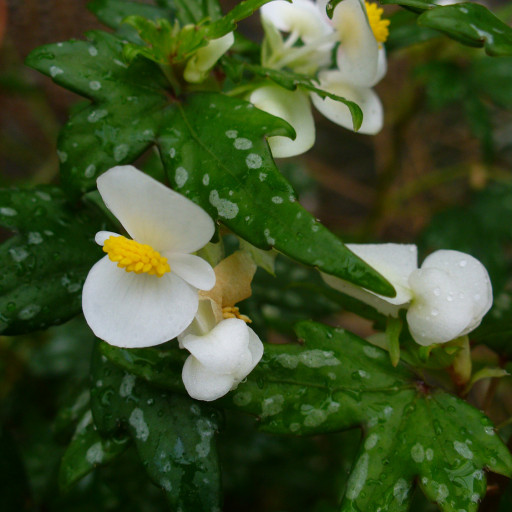
Known affectionately as the Maple-leaf Begonia, Begonia dregei is a South African treasure that mimics the look of a tiny, ancient tree. It is one of the few begonias prized by succulent enthusiasts because of its thick, swollen base (caudex), which gives it a natural "bonsai" appearance right from the start. Whether it’s displayed in a minimalist pot or a rocky terrarium, its delicate white blooms and serrated leaves offer an elegant, old-world charm.
🔍 How to Identify
- 🍁 The Foliage: Look for leaves that strongly resemble miniature maple leaves. They are usually deep green with silver-white spots or coppery undersides, featuring jagged, asymmetrical edges.
- 🪴 The Caudex: The most defining feature is the swollen, woody base of the stem. This bulbous trunk stores water, helping the plant survive dry periods in its native habitat.
- 🌸 The Blooms: It produces clusters of dainty, crisp white (sometimes pale pink) flowers that dangle gracefully from the leaf axils, typically appearing from mid-summer into the fall.
🏡 In Your Garden
- 💧 Succulent Sensibilities: Unlike its thirsty tropical cousins, this begonia hates "wet feet." Because it stores water in its caudex, it requires a gritty, well-draining soil mix and prefers to dry out significantly between waterings.
- ✂️ Natural Bonsai: This plant is a favorite for pruning. By trimming the top growth, you can encourage the central trunk to thicken and the branches to gnarled, creating a sophisticated "miniature tree" aesthetic without years of wiring.
⚠️ Safety & Toxicity
- 🐾 Toxic to Pets: Begonia dregei contains soluble calcium oxalates, which are harmful if eaten.
- 🚫 Symptoms: Keep this plant out of reach of curious cats and dogs. Ingestion can cause intense oral irritation, drooling, vomiting, and swelling of the throat or tongue.
✨ Fun Fact
This plant was named after Jean François Drège, a prolific 19th-century German plant collector who traveled across South Africa in a wagon, eventually documenting over 8,000 different species!

Detailed Care Instructions
To grow a Begonia dregei plant, you can follow these steps:
- Choose the right location: Begonia dregei prefers bright, indirect light. Avoid exposing it to direct sunlight, which can scorch its foliage. Place it near a north or east-facing window where it can receive bright but filtered light.
- Provide the right temperature and humidity: Begonia dregei prefers temperatures between 60-75°F (15-24°C). It also appreciates high humidity levels, so consider using a humidifier or placing the plant on a tray filled with water and pebbles to increase humidity around it.
- Use well-draining soil: Begonia dregei prefers well-draining, slightly acidic soil. You can use a mixture of peat moss, perlite, and compost to create a suitable soil mix. Avoid compacted or heavy soils that retain too much moisture.
- Water the plant properly: Water the Begonia dregei thoroughly whenever the top inch of soil feels dry. Allow the excess water to drain out completely as the plant doesn't like to sit in waterlogged soil. Avoid overwatering, as it can lead to root rot.
- Fertilize regularly: Begonia dregei benefits from regular feeding during the growing season. Use a balanced, water-soluble fertilizer according to the manufacturer's instructions. Apply the fertilizer every 4-6 weeks to promote healthy growth.
- Prune as needed: Pruning can help shape and maintain the plant's appearance. Trim off any leggy or straggly stems to encourage bushier growth. Remove any dead or yellowing leaves to improve the plant's overall health.
- Propagate the plant: If you want to expand your collection of Begonia dregei plants, you can propagate it through stem cuttings. Take a cutting with two or three leaves and plant it in a well-draining potting mix. Keep it moist and provide indirect light until new growth emerges.
By following these steps, you should be able to successfully grow and care for a Begonia dregei plant. Remember to adjust the care routine based on the specific needs of your plant and always observe it for any signs of stress or illness.

Place in a window with dappled sun or a spot in the middle of a room. Or directly in a window facing west or east.

To water this plant, it is recommended to thoroughly moisten the soil until water drains out of the bottom of the container. It is important not to let the soil dry out completely between waterings, but also to avoid overwatering as this can lead to root rot. It is best to water the plant from the base rather than watering from above, as wet foliage can lead to fungal diseases. The frequency of watering will depend on factors such as the temperature and humidity of the plant's environment, as well as the size of the container and the amount of sunlight the plant receives. It is important to monitor the soil regularly and adjust watering as necessary to ensure the plant remains healthy and hydrated.
To fertilize the plant, choose a fertilizer that is high in nitrogen, phosphorus, and potassium. Dilute the fertilizer in water according to the package instructions, then apply to the soil around the base of the plant. Be sure not to get any fertilizer on the leaves or stem, as this can burn the plant. Repeat this process every two weeks during the growing season. During the winter months, fertilizing is not necessary.
For optimal growth and health of the Begonia Dregei plant, it is recommended to use a well-draining, nutrient-rich soil mix that is slightly on the acidic side. The soil should be loose and airy to allow for proper oxygen flow to the roots. Organic matter such as peat moss, compost, or leaf mold can be added to the soil to improve its fertility and moisture retention. It is important to not use heavy or clay soils, as they can cause waterlogging and root rot. The soil should be kept moist but not waterlogged, and the plant should not be allowed to sit in standing water. Adding perlite or sand to the soil mix can improve drainage.
To propagate this plant, you will need to take stem cuttings. Choose a healthy stem with several leaves and cut it about 4-6 inches below the tip. Remove the lower leaves and dip the cut end of the stem in rooting hormone powder. Plant the cutting in a pot filled with moistened potting soil and cover with a plastic bag or dome to maintain humidity. Keep the soil moist and the cutting in a bright, indirect light location. After a few weeks, roots should begin to form and new growth will appear. Once the cutting has established itself, transplant it into a larger pot or outside in a suitable location.
Common pests of the grape-leaf begonia include Mealybugs, spider mites, aphids, whiteflies. Make a habit of checking your grape-leaf begonia frequently for pests so that any infestations can be caught and managed early.








