Plant Overview
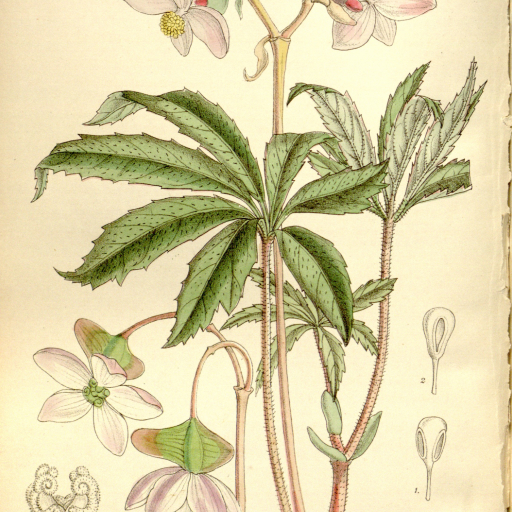
Often called the Hand-Leaf Begonia, Begonia hemsleyana is a striking departure from the rounded or heart-shaped leaves most enthusiasts expect. Hailing from the misty, high-altitude forests of Yunnan, China, this species looks more like a miniature palm tree or a delicate umbrella than a typical Begonia. It is a prized "collector’s plant" for those who love architectural foliage and the moody elegance of forest-floor botanicals.
🔍 How to Identify
- 🖐️ Palmate Foliage: The most distinctive feature is its deeply divided, hand-shaped leaves. Each leaf usually has 7 to 9 slender "fingers" (leaflets) radiating from a central point.
- 🌿 Texture and Color: The leaves are a deep, matte green, often dusted with subtle silvery spots or a metallic sheen. The undersides and the long, elegant stems (petioles) frequently show a soft, reddish-burgundy tint.
- 🌸 Delicate Blooms: In the right conditions, it produces clusters of light pink or white fragrant flowers that hover above the foliage on thin stalks, providing a soft contrast to the sharp geometry of the leaves.
🏡 In Your Garden
- ☁️ Humidity is King: Because this plant originates from humid cloud forests, it thrives in a terrarium or a room with a humidifier. If the air is too dry, the delicate tips of those "fingers" will quickly turn brown and crisp.
- 🪴 Breathable Roots: Unlike many common houseplants, this Begonia grows from a rhizome. It is highly sensitive to "wet feet," so it requires an airy, chunky potting mix—think orchid bark, perlite, and peat—to ensure the roots never sit in stagnant water.
- 🕯️ Soft Light: It prefers the dappled light of the forest floor. Direct afternoon sun will scorch its thin leaves, while too much shade may cause the plant to become leggy as it "reaches" for the light.
⚠️ Safety & Toxicity
- 🐾 Toxic to Pets: Like almost all members of the Begonia family, this plant contains calcium oxalate crystals.
- 👄 Irritant: If ingested, it can cause immediate mouth irritation, swelling of the throat, and digestive upset in cats, dogs, and curious toddlers. It is best kept on a high shelf or inside a glass cabinet.
✨ Fun Fact
- 🕵️ The Great Mimic: Begonia hemsleyana is a classic example of "botanical mimicry." To the untrained eye, its leaves look remarkably similar to certain species of Schefflera or even Cannabis, a trait that might help it blend into the forest undergrowth to avoid being eaten by specific herbivores!

Detailed Care Instructions
To grow Begonia hemsleyana, follow these steps:
- Choose a suitable location: Begonia hemsleyana prefer partial shade to full shade, so choose a location that receives indirect sunlight or dappled shade. They grow well in pots or hanging baskets, or can also be planted directly in the ground if the area meets their light requirements.
- Select the right soil: Use well-draining soil with a mixture of organic matter like peat moss or compost. Begonias prefer slightly acidic soil with a pH level between 5.5 and 6.5.
- Planting: If planting directly in the ground, dig a hole slightly larger than the root ball of the plant. If planting in a pot or hanging basket, select a container with drainage holes and fill it with the prepared soil mixture. Place the root ball in the hole or container and cover it with soil, gently pressing it down to secure the plant.
- Watering: Keep the soil slightly moist but not waterlogged. Water the plant when the top inch of soil feels dry. Avoid overhead watering, as Begonia hemsleyana prefer to be watered at the base to prevent moisture-related diseases.
- Fertilizing: Use a balanced liquid fertilizer diluted at half strength every 4-6 weeks during the growing season (spring to fall). Avoid fertilizing during the winter months when the plant is dormant.
- Pruning: Regularly pinch off the dead or faded flowers to encourage new growth and prolong the blooming period. Begonia hemsleyana can also be pruned to maintain a compact shape or to remove any leggy growth.
- Temperature and humidity: Begonia hemsleyana prefer temperatures between 60-75°F (15-24°C). They also appreciate higher humidity, so misting the leaves or placing a tray of water near the plant can help provide the necessary moisture.
- Repotting: Begonia hemsleyana can be repotted every 1-2 years to refresh the soil and provide more space for root growth. Spring is the best time for repotting, just before the start of the growing season.
By following these steps, you can successfully grow Begonia hemsleyana and enjoy their beautiful foliage and delicate flowers.

Place in a window with dappled sun or a spot in the middle of a room. Or directly in a window facing west or east.

To water Begonia Hemsleyana effectively, follow these guidelines:
1. Soil moisture: Before watering, check the soil moisture level. Insert your finger about an inch deep into the soil near the root system. If it feels dry, it's time to water the plant.
2. Watering frequency: Begonia Hemsleyana prefers moderate watering. Aim to water it when the top inch of soil feels slightly dry. Avoid overwatering, as it can lead to root rot and other issues. The frequency may vary depending on environmental factors such as temperature, humidity, and the size of the pot.
3. Watering method: Pour water directly onto the soil around the base of the plant rather than over the leaves. This prevents the plant from getting excessively wet and helps avoid diseases caused by moisture on the foliage.
4. Water quality: Use filtered or distilled water whenever possible to avoid mineral build-up in the soil. If tap water is your only option, let it sit overnight in an open container to allow chlorine to dissipate. This prevents any potential harm to the plant.
5. Drainage: Ensure that the pot or container has adequate drainage holes. Good drainage prevents waterlogging and allows excess water to flow out, preventing water-related issues.
6. Watering technique: Slowly pour water onto the soil until it starts to come out of the drainage holes. This ensures thorough watering and allows the roots to absorb the moisture effectively.
7. Temperature considerations: Take into account the ambient temperature when watering Begonia Hemsleyana. During hotter months, the plant may require more frequent watering due to increased evaporation. In colder months, reduce watering frequency to prevent overhydration.
8. Observe the plant's response: Keep an eye on your Begonia Hemsleyana after watering. If the plant starts to wilt or its leaves appear yellow or droopy, you may be over or under-watering. Adjust your watering schedule accordingly based on its individual needs.
Remember, each plant is unique, so it may take some time to establish a watering routine that suits your Begonia Hemsleyana adequately. By paying attention to the soil moisture, drainage, and plant behavior, you can maintain a healthy watering schedule for your Begonia Hemsleyana plant.
To fertilize the Begonia Hemsleyana plant, follow these steps:
- Choose a balanced, water-soluble fertilizer with equal amounts of nitrogen, phosphorus, and potassium (NPK). An NPK ratio of 10-10-10 or 20-20-20 is suitable.
- Dilute the fertilizer according to the package instructions. Typically, a dilution ratio of 1 teaspoon per gallon of water is recommended, but check the label for specific instructions.
- Apply the diluted fertilizer to the soil around the base of the plant, avoiding direct contact with the leaves or stems.
- Water the plant thoroughly after fertilizing, ensuring the water seeps down into the root zone.
- Repeat the fertilization process every 4-6 weeks during the growing season, which is generally spring to fall.
- Monitor the plant's response to fertilization. If the leaves start turning yellow or the plant becomes overfertilized, reduce the frequency or strength of the fertilizer.
Remember to always read and follow the instructions provided by the fertilizer manufacturer for best results.
Begonia Hemsleyana is a tropical plant that requires specific soil conditions for optimal growth and health. It is important to choose a soil type that mimics the plant's natural habitat and provides the necessary nutrients and drainage.
The ideal soil for Begonia Hemsleyana should be well-draining and loose to prevent waterlogging and root rot. It should contain a good amount of organic matter, such as compost or leaf mold, to provide essential nutrients and improve soil structure. This will ensure that the roots can access water and nutrients while allowing excess water to drain away.
Additionally, the soil should have a slightly acidic to neutral pH level, ranging from 5.5 to 7.0, to facilitate nutrient absorption by the plant's roots. The pH level can be tested using a soil testing kit available at garden centers or online.
To enhance the aeration and drainage properties of the soil, you can also add perlite or vermiculite. These lightweight materials help to create air pockets in the soil, allowing for better oxygen circulation and preventing compaction.
Avoid using heavy clay soils or those that retain too much moisture, as this can lead to root rot and other fungal diseases. Similarly, overly sandy soils can drain too quickly, leading to nutrient deficiencies. Striking the right balance is essential for the healthy growth of Begonia Hemsleyana.
When planting or repotting your Begonia Hemsleyana, ensure that the soil is evenly moist but not waterlogged. Water the plant thoroughly and allow excess water to drain away, as the roots should not sit in standing water.
Regularly monitor the moisture levels in the soil and adjust watering accordingly to prevent overwatering or dehydration. Proper soil moisture is crucial for the overall health and thriving of the Begonia Hemsleyana plant.
By providing the appropriate soil conditions, you can support the growth and vitality of Begonia Hemsleyana and ensure its long-term success in your garden or indoor space.
Begonia hemsleyana is a plant that can be propagated through various methods. Here is a detailed guide on how to propagate this specific begonia species:
- Select a healthy parent plant: Choose a well-established and disease-free parent plant to ensure successful propagation.
- Prepare the cutting: Identify a healthy stem on the parent plant that has at least two nodes, which are the points where leaves emerge from the stem. Using a sharp, sterilized knife or scissors, make a clean cut just below a node. The cutting should typically be around 3-6 inches in length.
- Remove lower leaves: Trim off any leaves on the lower part of the cutting, leaving only a few leaves at the top intact.
- Optional hormone rooting powder: Although not mandatory, you may consider using a rooting hormone powder or gel to promote quicker root development. Dip the cut end of the stem into the hormone powder or apply the gel, following the product instructions.
- Potting mix: Prepare a well-draining potting mix using a combination of peat moss, perlite, and/or vermiculite. This will provide a suitable environment for root development. Ensure the potting mix is moist but not waterlogged.
- Plant the cutting: Create a small hole in the potting mix with a pencil or your finger and gently place the cut end of the stem into the hole. Firmly press the soil around the stem to hold it in place. Make sure only the leaves at the top are visible above the soil line.
- Enclose the cutting: To create a humid environment that aids root development, cover the cutting with a clear plastic bag or use a propagation tray with a clear plastic lid. This helps retain moisture and promotes faster rooting. However, ensure the covering doesn't touch the leaves.
- Provide indirect light: Place the cutting in a location that receives bright, indirect light. Avoid exposing it to direct sunlight, as it can cause leaf burn or excessive heat.
- Maintain humidity: Check the cutting regularly to ensure the soil remains moist. Mist the cutting with water if needed to maintain humidity inside the covering. Be cautious not to overwater, as it can lead to rotting.
- Root development: Over the course of a few weeks to a couple of months, the cutting should develop roots. Examine the cutting periodically to see if roots have formed by gently tugging on it. Once you feel resistance, it indicates that the roots have established.
- Transplanting: Once the cutting has a sufficient root system, carefully remove it from the propagation container and gently plant it into a larger pot filled with well-draining soil. Ensure the plant is positioned at the same depth as it was during propagation.
- Provide care: Place the newly transplanted plant in a suitable location with bright, indirect light. Water regularly, but allow the soil to partially dry out between watering to prevent overwatering. Begonia hemsleyana prefers high humidity, so you may consider using a humidifier or placing a tray of water near the plant.
By following these detailed steps, you should be able to successfully propagate Begonia hemsleyana and enjoy more of these beautiful plants.
Common pests of the begonia hemsleyana include Mealybugs, spider mites, aphids, whiteflies. Make a habit of checking your begonia hemsleyana frequently for pests so that any infestations can be caught and managed early.








