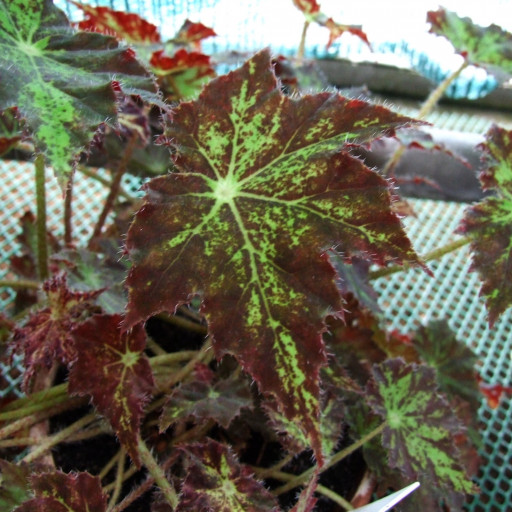
Plant Overview
Often called the Star Begonia or Hogweed-leaf Begonia, this Mexican native is a showstopper known for its dramatic, prehistoric-looking foliage. Unlike many delicate begonias, this species grows from a thick, creeping rhizome that winds across the soil like a fuzzy green caterpillar. It’s a resilient survivor from the rocky forests of Central America, perfectly suited for adding a touch of the "jungle floor" to your home.
🔍 How to Identify
- ⭐ The Foliage: Large, deeply lobed leaves that radiate out like a star. The edges are often jagged, and the color ranges from a deep forest green to a bronzy-black with lighter green centers.
- 🧶 The Texture: The stems and the undersides of the leaves are covered in distinctive, stiff reddish hairs (trichomes), giving the plant a rugged, "hairy" appearance.
- 🌸 The Blooms: In late winter or early spring, it surprises growers by sending up tall, leafless stalks topped with airy clusters of delicate shell-pink or white flowers.
🏡 In Your Garden
- 🪴 Rhizome Care: This plant grows horizontally. When potting, ensure the thick, fleshy rhizome isn't buried deep in the dirt; it prefers to sit right on the surface of a well-draining, airy potting mix to avoid rot.
- 🌥️ Light & Water: It thrives in "bright shade," mimicking the dappled light of a forest canopy. Because it stores water in its thick stems, it is much more forgiving of a missed watering than other begonias, making it a great choice for forgetful plant parents.
- 🌬️ Air Circulation: While it loves humidity, its hairy leaves can trap moisture and lead to mildew. It’s best to keep the air moving around it and always water the soil directly rather than splashing the leaves.
⚠️ Safety & Toxicity
- 🐾 Status: Toxic to cats, dogs, and horses.
- 👄 Details: The plant contains soluble calcium oxalates, which cause immediate oral irritation, drooling, and swelling if chewed. It is best kept on high shelves or in hanging baskets away from curious pets and toddlers.
✨ Fun Fact
The name heracleifolia literally translates to "leaves like Heracleum" (Hogweed). It was one of the very first Begonia species brought to Europe from the New World in the 1830s, sparking a Victorian obsession with collecting "exotic" tropical plants!

Detailed Care Instructions
| Lighting | Part Sun |
Here are some steps you can follow to grow Begonia Heracleifolia plant:
- Choose the right location: Begonia Heracleifolia prefers bright, indirect light. Place the plant near a window that receives filtered sunlight or in a spot with bright, shaded light.
- Provide the ideal temperature: Begonia Heracleifolia thrives in temperatures between 60-75°F (15-24°C). Avoid exposing the plant to extreme temperature variations or drafts.
- Use well-draining soil: Use a well-draining potting mixture that retains enough moisture but does not become waterlogged. A mixture of peat moss, perlite, and compost works well.
- Watering schedule: Water the plant when the top inch of the soil feels dry. Begonia Heracleifolia prefers evenly moist soil, so ensure you do not overwater or let the plant sit in water.
- Humidity requirements: Begonia Heracleifolia prefers slightly higher humidity levels. If your home has low humidity, you can increase it by using a humidifier or placing a tray of water near the plant. Avoid misting directly on the leaves, as it can cause powdery mildew.
- Fertilize regularly: Feed the Begonia Heracleifolia once a month during the growing season with a balanced, water-soluble fertilizer. Follow the instructions on the fertilizer package for specific dosage and application methods.
- Pruning: To maintain a compact shape and encourage bushier growth, pinch off the tips of the stems periodically. This will also help promote more flower production.
- Propagation: Begonia Heracleifolia can be propagated through stem cuttings or by division. Take stem cuttings from healthy, mature plants and place them in a moist potting mix. Keep them in a warm, bright place until they develop roots.
- Pest control: Keep an eye out for common pests such as aphids, mealybugs, and spider mites. If you notice any infestation, treat the plant with an appropriate insecticidal soap or neem oil spray.
By following these steps, you can successfully grow Begonia Heracleifolia plant and enjoy its beautiful foliage and flowers. Remember to be patient and provide consistent care to help the plant thrive.

Place in a window with dappled sun or a spot in the middle of a room. Or directly in a window facing west or east.

1. Observe the soil: Before watering your plant, take some time to observe the soil. If it appears dry, it's time to water. If the soil feels moist to the touch, it's best to wait before watering.
2. Water slowly: When watering a Begonia Heracleifolia plant, it's important to do it slowly. Pour water at the base of the plant rather than at the top of the leaves. Make sure the water reaches the roots.
3. Avoid overwatering: Begonia Heracleifolia plants do not like to sit in water, so make sure you are not overwatering. Ensure the soil has good drainage so that excess water can escape.
4. Moisturize without soaking: A Begonia Heracleifolia plant does not require much water. Just enough to keep the soil moist, not soaked. This will help to prevent root rot.
5. Water regularly: Begonia Heracleifolia plants do well with regular watering. Watering once a week or when the soil appears to be dry is ideal. This plant requires moist soil but not waterlogged.
To fertilize this particular plant species, choose a balanced fertilizer with equal amounts of nitrogen, phosphorus, and potassium. During the growing season, apply the fertilizer every two weeks, diluting it to half strength. Be sure to water the plant thoroughly before and after applying fertilizer to prevent the roots from being burned. In winter, reduce the frequency of fertilizing to once a month as the plant slows down its growth.
The ideal soil for the Begonia Heracleifolia plant should be well-draining, loose, and rich in organic matter. It should have a slightly acidic or neutral pH level, ranging from 5.5 to 7.0. The soil should also be moist but not waterlogged, as the plant does not tolerate waterlogged soil. Adding perlite or sand to the soil mixture can improve drainage, and peat moss or compost can increase its organic content. The plant can also benefit from occasional fertilization, which can be added to the soil or applied as a foliar spray. It is important to avoid using heavy, clay-based soil for this plant, as it can lead to root rot and other issues.
There are several methods to propagate this plant. One way is by taking stem cuttings in the spring or summer. Choose a healthy, non-flowering stem and cut it just below a node. Remove any leaves from the bottom half of the stem and dip the cut end in rooting hormone. Plant the stem cutting in a pot filled with a well-draining soil mix and keep it moist. Place the pot in bright, indirect light and wait for new growth to appear.
Another way to propagate this plant is by dividing the root ball. Carefully remove the plant from its pot and gently separate the roots. Make sure each divided section has its own stem and roots. Pot each division in fresh soil and water well.
Begonia Heracleifolia can also be propagated by leaf cuttings. Choose a healthy leaf and cut it into sections, making sure each section has a stem attached. Dip the cut ends in rooting hormone and plant them in a pot filled with a well-draining soil mix. Keep the soil moist and place the pot in bright, indirect light. New plants should begin to grow from the stem in a few weeks.
Common pests of the starleaf begonia include Mealybugs, spider mites, aphids, whiteflies. Make a habit of checking your starleaf begonia frequently for pests so that any infestations can be caught and managed early.








