Plant Overview
Often called the Rieger Begonia or Winter Begonia, this stunning hybrid is the ultimate "living bouquet." Created by crossing tuberous begonias with rare succulent species, it was specifically designed to provide a massive explosion of color during the shorter days of the year. It’s a favorite for gifting, known for its rose-like blossoms and glossy, lush foliage that seems to glow under indoor lights.
🔍 How to Identify
- 🌸 The Blooms: Features dense, ruffled clusters of flowers that look remarkably like miniature roses or carnations. They come in vibrant shades of sunset orange, buttery yellow, candy pink, and deep scarlet.
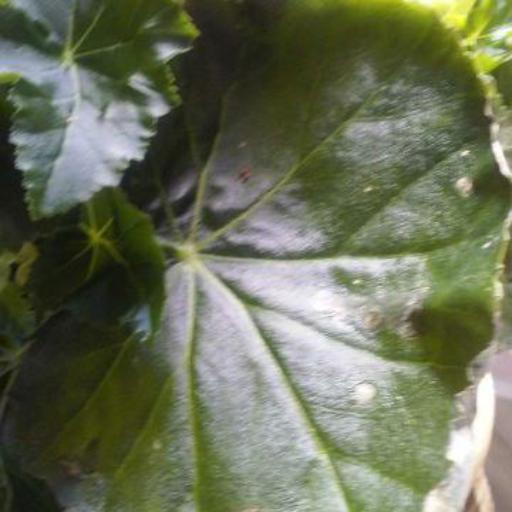
- 🍃 The Foliage: The leaves are "asymmetrically heart-shaped" (a classic Begonia trait), appearing dark green, glossy, and slightly succulent to the touch.
- 🪴 Growth Habit: It maintains a compact, mounding shape, usually staying under 12–15 inches tall, making it perfect for windowsills or tabletop displays.
🏡 In Your Garden & Home
- 🌤️ Light Nuance: This Begonia is a "goldilocks" plant when it comes to sun. It needs very bright, indirect light to keep blooming, but harsh, direct rays will quickly scorch its thin, delicate petals.
- 💦 Watering Wisdom: Because it has succulent-like stems, it is highly susceptible to root and stem rot. Always allow the top inch of soil to dry out, and never splash water on the leaves, as this can invite powdery mildew.
- 🌬️ Airflow Matters: Unlike some tropical plants that love stagnant humidity, the Rieger Begonia thrives best when there is gentle air circulation to keep its heavy clusters of flowers dry and healthy.
⚠️ Safety & Toxicity
- 🐾 Toxic to Pets: Like most members of the Begoniaceae family, this plant contains insoluble calcium oxalates. If ingested by cats or dogs, it can cause intense oral irritation, drooling, and vomiting.
- 👶 Kid Safety: While not usually life-threatening, the sap can cause mild skin irritation or an upset stomach if a curious toddler decides to give the flowers a taste. It’s best kept on a high shelf.
✨ Fun Fact
The Begonia × Hiemalis was a horticultural breakthrough in the mid-20th century. Before this hybrid existed, most begonias needed very specific seasonal cues to bloom; breeder Otto Rieger perfected this variety so that it could bloom almost year-round, regardless of day length!

Detailed Care Instructions
| Color | Orange, Pink, Red, White, Yellow |
| Humidity | High |
| Lighting | Part Sun |
| Toxicity | Poisonous |
| Soil Type | Light And Rich |
| Bloom Time | Winter, But Can Vary |
| Difficulty | Easy |
| Plant Type | Annuals That Can Be Grown As A Houseplant |
| Mature Size | 12"-18" Tall |
| Native Area | Central And South, Africa, Southern Asia |
| Temperature | 14°C - 29°C |
| Sun Exposure | Medium To High Light |
| Hardiness Zones | 8-11 |
To grow Begonia × Hiemalis plant, here are some steps you can follow:
- Choose a suitable location: Begonia × Hiemalis plants prefer bright, indirect light. Avoid direct sunlight as it can scorch the leaves. They also thrive in a location with high humidity.
- Planting: Use a well-draining potting mix for Begonia × Hiemalis. Plant the tubers just below the soil surface and keep them moist but not waterlogged.
- Watering: Water the plant regularly, keeping the soil consistently moist but not soggy. Allow the top inch of soil to dry out between waterings.
- Fertilizing: Fertilize the plant every 4-6 weeks during the growing season with a balanced liquid fertilizer. Reduce fertilization during the winter months.
- Temperature: Begonia × Hiemalis plants prefer temperatures between 60-75°F (15-24°C). Avoid temperatures below 55°F (13°C) as they can cause the plant to go dormant.
- Pruning: Trim back leggy growth to encourage bushier growth and remove any dead or yellowing leaves to keep the plant healthy.
- Repotting: Repot the Begonia × Hiemalis plant every 1-2 years to refresh the soil and provide more space for growth.
By following these steps, you can successfully grow Begonia × Hiemalis plant and enjoy its beautiful blooms.

Place in a window with dappled sun or a spot in the middle of a room. Or directly in a window facing west or east.

Begonia × Hiemalis is a species of flowering plant that requires adequate watering to grow properly. When it comes to watering this plant, it is important to provide just the right amount of water to prevent the soil from becoming too dry or too waterlogged.
To water Begonia × Hiemalis, start by checking the soil moisture. You can do this by inserting your finger about an inch into the soil. If it feels dry, it is time to water the plant. However, if the soil still feels moist, you can wait a few more days before watering again.
When watering, it is important to avoid getting water on the plant's leaves as this can lead to fungal growth. Instead, water the soil directly around the plant, making sure to saturate it evenly.
To prevent waterlogging, make sure that the pot or container has adequate drainage holes. This will allow excess water to drain out of the soil, preventing the plant from sitting in water.
During the plant's growth and flowering periods, it may require more frequent watering than during its dormant period. It is important to monitor the soil moisture regularly and adjust watering frequency accordingly.
Overall, watering Begonia × Hiemalis requires a balance of moisture and careful attention to prevent waterlogging or drought stress.
To fertilize Begonia × Hiemalis, use a balanced liquid fertilizer with equal parts nitrogen, phosphorus, and potassium. Dilute the fertilizer to half strength and apply every two weeks during the growing season, which is usually spring to fall. Water the plant thoroughly after fertilizing to help distribute the nutrients to the roots. Avoid over-fertilizing as it can damage the plant.
The ideal soil type for Begonia × Hiemalis is a well-draining, nutrient-rich soil that is slightly acidic with a pH range of 5.5 to 6.5. It should be light, airy, and loamy in texture to ensure good aeration and water retention. The soil should have the ability to hold sufficient moisture to promote healthy growth and prevent the plant from drying out completely between watering sessions. A mixture of compost, peat moss, perlite, and vermiculite can be used to create a well-draining and nutrient-rich soil. It is also recommended that the soil be amended with slow-release fertilizers to provide essential nutrients for the plant's growth. As with any plant, it is important to ensure that the soil is free of harmful chemicals and toxins that may negatively impact the health of the plant.
Begonia × Hiemalis can be propagated through several methods including leaf cuttings and stem cuttings.
To propagate Begonia × Hiemalis through leaf cuttings, choose a healthy leaf from the plant and make a clean cut with a sharp knife. Place the leaf in a small pot filled with well-draining soil, ensuring that the bottom of the leaf is buried in the soil. Keep the soil moist and place the pot in a warm, bright location with indirect sunlight. Roots should begin to form in a few weeks, at which point you can transplant the cutting into a larger pot.
To propagate Begonia × Hiemalis through stem cuttings, select a healthy stem with several leaves and make a clean cut just below a leaf node. Remove the lower leaves from the cutting and place it in a small pot filled with well-draining soil. Keep the soil moist and place the pot in a warm, bright location with indirect sunlight. Roots should begin to form in a few weeks, at which point you can transplant the cutting into a larger pot.
Both leaf and stem cuttings should be kept in a warm, humid environment to encourage root growth. Mist the cuttings regularly to keep the humidity high and remove any dead or decaying leaves. With proper care and attention, Begonia × Hiemalis cuttings should root successfully and grow into healthy plants.
Common pests of the elatior begonia include Mealybugs, spider mites, aphids, whiteflies. Make a habit of checking your elatior begonia frequently for pests so that any infestations can be caught and managed early.








