Plant Overview
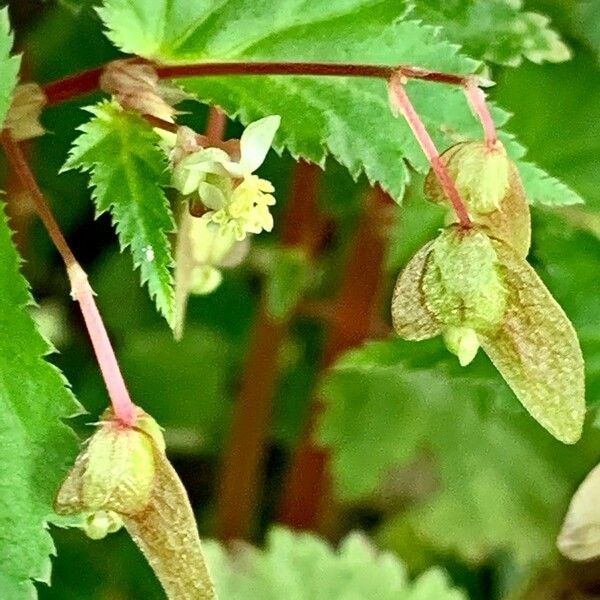
Known as the Hairy Begonia, Begonia hirsuta is a dainty, wild-looking gem hailing from the humid tropical forests of northern South America. Unlike the flashy, large-bloomed hybrids found in most garden centers, this species is a favorite among collectors for its "shaggy" texture and understated elegance. It carries a distinct forest-floor charm that makes any indoor plant collection feel like a miniature, misty jungle.
🔍 How to Identify
- 🧶 The "Hirsute" Texture: True to its name, the most striking feature is the dense covering of fine, soft hairs (trichomes) that coat the stems and the undersides of the leaves.
- 🍃 Asymmetrical Foliage: The leaves are classically "Begonia-shaped"—lopsided and heart-like—with serrated edges and a vibrant, translucent green color.
- 🌸 Floating Blooms: It produces clusters of tiny, delicate white or pale pink flowers that appear to hover above the foliage on thin, wiry reddish stems.
🏡 In Your Garden
- ☁️ Humidity Lovers: Because it originates from rainforest understories, this plant is a "humidity hound." It thrives in terrariums or near humidifiers; if the air is too dry, those signature hairs can’t prevent the leaf edges from crisping.
- 🪴 Breathable Roots: It has a very fine, shallow root system that is prone to rot. Instead of heavy potting soil, use a light, airy mix of sphagnum moss or perlite-heavy substrate to keep the roots oxygenated.
⚠️ Safety & Toxicity
- 🐱 Toxic to Pets: Like nearly all Begonias, Begonia hirsuta contains calcium oxalate crystals, which are a natural defense mechanism against herbivores.
- 🚫 Irritation Risk: If leaves or stems are chewed, it can cause intense oral irritation, drooling, and swelling in cats, dogs, and horses. It is best displayed in a hanging basket or a glass enclosure out of reach of curious paws.
✨ Fun Fact
The specific epithet hirsuta is Latin for "shaggy" or "bristly." In the wild, these hairs aren't just for show—they help the plant trap moisture from the air and can even deter small crawling insects from snacking on the stems!

Detailed Care Instructions
To grow a Begonia Hirsuta plant, follow these steps:
- Light: Begonia Hirsuta plants prefer bright, indirect light. Place them in a location where they receive filtered sunlight or partial shade. Avoid direct sun exposure, as it can scorch the leaves.
- Temperature: These plants thrive in temperatures between 65-75°F (18-24°C). Avoid exposing them to extreme temperatures or drafts.
- Watering: Keep the soil consistently moist but not soggy. Water the plant when the top inch of soil feels dry to the touch. Begonia Hirsuta plants are sensitive to overwatering, so ensure proper drainage by using well-draining soil and pots with drainage holes.
- Humidity: These plants prefer humid conditions. To increase humidity levels, mist the leaves regularly or place a tray filled with water near the plant. You can also use a humidifier in the room.
- Soil: The ideal soil for Begonia Hirsuta is a well-draining mix of peat moss, perlite, and a small amount of vermiculite or sand. This helps to prevent waterlogged conditions and allows for good airflow to the roots.
- Fertilizer: Feed your Begonia Hirsuta plant with a balanced, water-soluble fertilizer every two to four weeks during the growing season (spring and summer). Follow the instructions on the fertilizer packaging for the correct dilution rate.
- Pruning: Regularly prune any dead or damaged leaves from the plant to promote healthy growth. You can also trim leggy stems to encourage bushier growth.
- Propagation: You can propagate Begonia Hirsuta plants through stem cuttings. Take a healthy stem cutting with at least two leaves and place it in a pot with moist, well-draining soil. Keep the soil consistently moist and provide a warm and humid environment until roots form.
- Pests and diseases: Keep an eye out for common pests such as mealybugs and spider mites. Treat any infestations promptly with insecticidal soap or neem oil. Avoid overwatering to prevent root rot.
By following these care tips, you can successfully grow a Begonia Hirsuta plant and enjoy its beautiful foliage and intriguing texture.
Begonia Hirsuta is a type of plant that requires specific watering techniques to thrive. To provide the ideal watering conditions for this plant, follow these instructions:
- Observe the soil: Before watering the Begonia Hirsuta plant, examine the soil for moisture content. Stick your finger about an inch into the soil and check if it feels dry. This indicates that the plant is ready for watering.
- Watering container: Choose an appropriate watering container for this plant. Opt for a container with drainage holes at the bottom to prevent waterlogging. Using a pot with a saucer underneath can help collect excess water.
- Water temperature: It's essential to use water at the appropriate temperature. Begonia Hirsuta prefers room temperature water, so avoid using water that is too hot or too cold, as extreme temperatures can negatively affect the roots.
- Water quantity: When watering the plant, aim to moisten the soil evenly. Avoid excessive watering, as this can lead to root rot. Pour water gently into the soil until it starts to drain out of the drainage holes. Allow the water to penetrate the soil thoroughly.
- Watering frequency: The watering frequency depends on various factors such as humidity, temperature, and the moisture retention capacity of the soil. As a general guideline, water the Begonia Hirsuta plant when the top inch of soil feels dry. Overwatering should be avoided, as it can cause root problems.
- Watering technique: To prevent water from collecting on the leaves, use a watering can with a narrow spout or a watering wand. Direct the water flow towards the base of the plant, being careful not to splash water onto the leaves or stems.
- Humidity control: Begonia Hirsuta plants thrive in high humidity environments. To increase humidity around the plant, you can mist the leaves or place a tray of water nearby. This will help prevent the plant from drying out between waterings.
Remember, every plant's watering needs may vary slightly, so it's crucial to monitor your Begonia Hirsuta plant closely and adjust the watering frequency accordingly. By following these guidelines, you can provide the ideal watering conditions for your Begonia Hirsuta plant and help it thrive.
To fertilize Begonia Hirsuta:
- Choose a balanced fertilizer with equal amounts of nitrogen (N), phosphorus (P), and potassium (K).
- Dilute the fertilizer according to the label instructions, typically using 1 tablespoon of fertilizer per gallon of water.
- Water the soil thoroughly before applying the fertilizer to ensure it is evenly distributed.
- Pour the diluted fertilizer solution around the base of the plant, avoiding direct contact with the leaves.
- Repeat the fertilization process every four weeks during the growing season, typically spring to early fall.
- Monitor the plant for any signs of nutrient deficiency or excess fertilizer, such as yellowing or wilting leaves, and adjust the fertilization schedule accordingly.
- During the dormant period in winter, reduce or suspend fertilization as the plant's growth slows down.
- Remember to always follow the specific instructions provided by the fertilizer manufacturer for best results.
Begonia Hirsuta is a type of plant that requires specific soil conditions to thrive. The ideal soil for this plant should have certain characteristics to support its growth and health. Here are the details about the soil requirements for Begonia Hirsuta without mentioning its common names:
- Well-draining: Begonia Hirsuta prefers a soil that drains well to prevent waterlogging, which can lead to root rot. Excess moisture in the soil can be detrimental to the plant's overall health.
- Moisture-retentive: While good drainage is important, the soil should also retain enough moisture to keep the plant hydrated. Begonia Hirsuta requires consistently moist soil, so it is essential to strike a balance between drainage and moisture retention.
- Organic matter-rich: The plant thrives in soil that is rich in organic matter. Adding compost or well-rotted manure to the soil can improve its fertility and nutrient content.
- Slightly acidic to neutral pH: Begonia Hirsuta prefers a slightly acidic to neutral soil pH range between 6.0 and 7.0. This allows the plant to effectively absorb nutrients from the soil.
- Loamy or sandy: Begonia Hirsuta grows best in loamy or sandy soil textures. These types of soils provide good drainage while still retaining enough moisture for the plant's needs.
- Nutrient-rich: The soil should be rich in essential nutrients like nitrogen, phosphorus, and potassium. Regularly fertilizing Begonia Hirsuta with a balanced, water-soluble fertilizer can help provide these necessary nutrients.
- Well-amended: The ideal soil for Begonia Hirsuta should be well-amended with organic materials and may benefit from the addition of perlite or vermiculite to improve drainage and aeration.
By providing the plant with the appropriate soil conditions, Begonia Hirsuta can grow healthily and showcase its unique characteristics.
Begonia Hirsuta is a popular houseplant primarily known for its attractive foliage and vibrant flowers. Propagating this plant can be done through several methods, including stem cuttings, leaf cuttings, and division. Here is a detailed explanation of each propagation method:
- Stem Cuttings:
- Select a healthy stem from the parent plant that is free from any signs of disease or damage.
- Using a sharp and sterile knife or pruning shears, cut a 4-6 inch section of the stem just below a leaf node.
- Remove the lower leaves from the stem, leaving only a few leaves intact at the top.
- Dip the cut end of the stem into a rooting hormone powder to stimulate root growth (optional).
- Prepare a small pot or container with a well-draining soil mix, preferably a combination of peat moss and perlite.
- Insert the prepared stem cutting into the soil, ensuring that at least one or two leaf nodes are buried below the soil surface.
- Place the pot in a warm and humid location with bright, indirect light. Avoid direct sunlight, as it may scorch the cutting.
- Keep the soil slightly moist but not waterlogged.
- After several weeks, roots should start developing. You can gently tug on the plant to check for resistance, indicating root growth.
- Once the roots are established, you can transplant the propagated Begonia Hirsuta into its permanent pot for further growth.
- Select a healthy stem from the parent plant that is free from any signs of disease or damage.
- Leaf Cuttings:
- Select a healthy and mature leaf from the parent plant, making sure it is free from any damage or disease.
- Using a sharp and sterile knife, carefully cut the leaf in half, ensuring that each half contains a portion of the leaf vein.
- Fill a small pot or tray with a well-draining soil mix, such as peat moss or perlite.
- Insert the leaf cuttings into the soil, burying the lower cut ends about an inch deep.
- Mist the cuttings lightly with water to provide the necessary moisture.
- Place the pot or tray in a warm and bright location, away from direct sunlight.
- Keep the soil consistently moist by misting or lightly watering as needed.
- Over time, tiny plantlets will emerge from the leaf veins and develop into individual plants.
- Once the new plants have grown a few inches and show signs of root development, they can be potted into separate containers or transferred to their permanent pots.
- Select a healthy and mature leaf from the parent plant, making sure it is free from any damage or disease.
- Division:
- This method can be employed if the parent plant has developed multiple clumps or has grown quite large.
- Carefully remove the plant from its pot, being mindful of the root system.
- Gently separate the clumps, ensuring that each division has a sufficient amount of roots and stems.
- Prepare separate pots with a well-draining soil mix.
- Plant each division into its own pot, making sure that the soil is covering the roots adequately.
- Water the newly potted divisions thoroughly and place them in a warm and bright location, away from direct sunlight.
- Maintain consistent moisture in the soil to promote proper root establishment and growth.
- As the new plants continue to develop, you can treat them as mature Begonia Hirsuta specimens, providing them with regular care and maintenance.
By following these propagation methods, you can successfully propagate Begonia Hirsuta and expand your collection of these lovely plants.
- This method can be employed if the parent plant has developed multiple clumps or has grown quite large.








