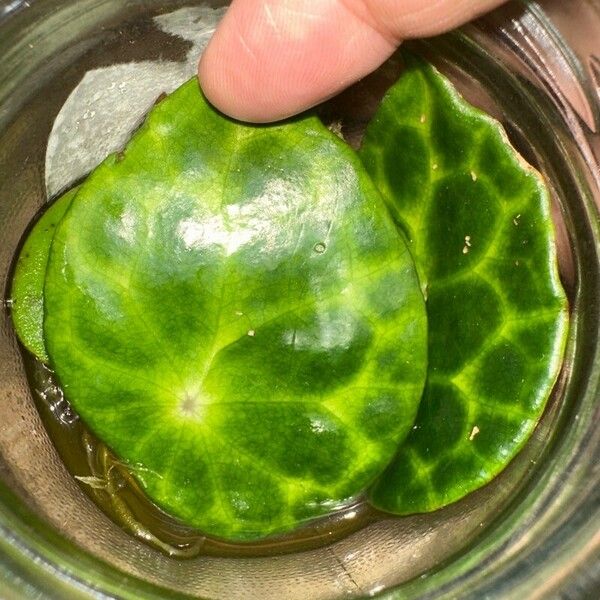
Plant Overview
Named after the botanist Sir George King, this Malaysian beauty is a true jewel of the limestone cliffs. Known for its striking contrast and royal presence, it is a coveted find for collectors who appreciate "calcicole" (lime-loving) species. It brings a sense of ancient tropical mystery to any indoor plant collection.
🔍 How to Identify
- 🍃 Leaf Pattern: Features asymmetrical, heart-shaped leaves with a deep, velvety forest-green base, elegantly splattered with shimmering silver-white markings.
- 🌸 Bloom Style: Periodically sends up thin, delicate stalks topped with airy clusters of small, pale pink or white blossoms that contrast beautifully against the dark foliage.
- 🌱 Growth Habit: This is a rhizomatous species, meaning it grows from thick, fleshy stems that creep horizontally across the soil surface rather than growing straight up.
🏡 In Your Garden
- ⛰️ The Limestone Connection: Unlike many tropical plants that prefer acidic soil, Begonia kingiana thrives when its substrate mimics its natural limestone habitat. Adding a bit of crushed eggshells or horticultural lime can help it feel right at home.
- 💧 Humidity over Wetness: It demands high humidity but is very sensitive to "wet feet." The rhizome is prone to rot if the soil stays soggy, so it is best grown in a well-draining mix (like orchid bark and perlite) and perhaps kept in a glass terrarium.
⚠️ Safety & Toxicity
- 🐾 Toxic to Pets: Like most members of the Begonia family, this plant is toxic to cats and dogs if ingested.
- 👅 Oral Irritation: It contains insoluble calcium oxalate crystals. If a leaf is chewed, it will cause immediate stinging, drooling, and potential swelling of the mouth and throat. Always keep this "king" on a high shelf away from curious pets or children.
✨ Fun Fact
In its native Malaysia, Begonia kingiana is often found clinging to vertical limestone rock faces. It has adapted to survive in tiny pockets of organic debris trapped in the cracks of these cliffs, making it a master of vertical living!

Detailed Care Instructions

Place in a window with dappled sun or a spot in the middle of a room. Or directly in a window facing west or east.

The presence of a dry surface layer of soil does not indicate that the plant requires water. Instead, stick your finger 1-2" (3-5 cm) deep in the soil to feel dampness or moisture content. If the soil seems dry, it's time to water your greens. If the soil is still moist, however, it is better not to water your plant and instead wait a day or two. Overwatering or waterlogging raises the risk of root rot. So if the soil takes longer than a week to dry, check the light conditions because it's likely that the plant isn't getting enough light. It's fine if the upper layer of soil is dry between waterings, but the deeper soil layer should always have some moisture.
These plant needs regular fertilizing during growing seasons. Fertilizing your plants in dormant state during the winter, might result in scorching or browning of the leaf tips. If mature plants display signs of nutrient insufficiency, fertilizer administration is necessary to restore the plant to its previous state.
You may use All Purpose Plant Food or Green Plant Food for your Begonia Kingiana
Common pests of the begonia kingiana include Mealybugs, spider mites, aphids, whiteflies. Make a habit of checking your begonia kingiana frequently for pests so that any infestations can be caught and managed early.







