Plant Overview
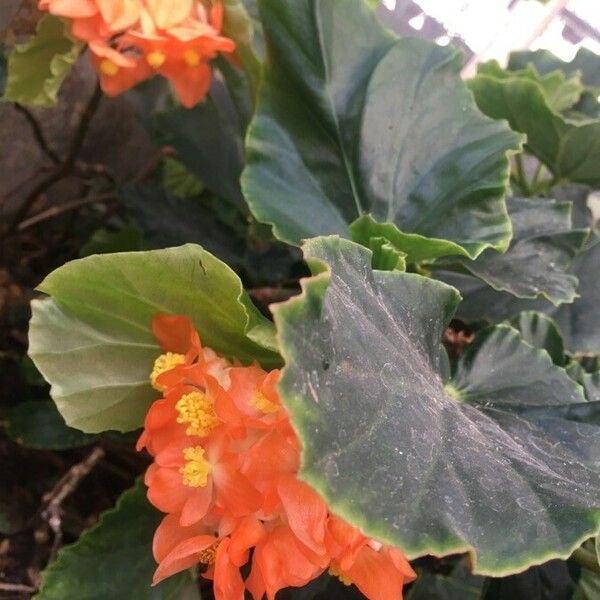
Commonly known as the "Moon Begonia" or "Lunar Begonia," this plant is a relatively recent botanical discovery from the limestone forests of Vietnam. It is a "goth" gardener’s dream, featuring foliage so dark it appears almost black, resembling a midnight sky. Its mysterious, iridescent leaves and dramatic textures make it a high-fashion centerpiece for any indoor jungle or terrarium.
🔍 How to Identify
- 🌑 The Leaves: Heart-shaped or slightly asymmetrical foliage that ranges from deep forest green to a startling, velvety charcoal-black.
- 🌋 Surface Texture: The leaves are heavily "bullate," meaning they are covered in raised, puckered bumps that look like a cooling lava field or a cratered moonscape.
- 🔴 The Underside: In a stunning contrast to the dark top, the undersides of the leaves are a vibrant, glowing burgundy-red.
- 🧶 The Stems: The petioles (leaf stalks) are often covered in fine, reddish hairs, adding a fuzzy, tactile dimension to the plant.
🏡 In Your Garden
- ☁️ The Humidity Hype: This is a tropical species through and through. It struggles in typical dry indoor air and performs best in a terrarium or near a humidifier where the moisture stays above 60%.
- 🧴 Rhizome Care: Because it grows from a creeping rhizome (a thick, horizontal stem), it is highly sensitive to "wet feet." Use a very chunky, airy soil mix (like orchid bark and perlite) to prevent the roots from suffocating and rotting.
- 🕯️ Light Sensitivity: Those dark pigments are designed to soak up light in the dim forest understory. Direct sunlight is the enemy; it will bleach the beautiful dark color and scorch the delicate leaf tissue.
⚠️ Safety & Toxicity
- 🚫 Status: Toxic to pets (cats and dogs) and mildly irritating to humans if ingested.
- 🐾 Details: Like all members of the Begonia family, this plant contains calcium oxalate crystals. If a curious pet nibbles on it, it can cause oral swelling, drooling, and digestive upset. The underground rhizome contains the highest concentration of these crystals.
✨ Fun Fact
The name lunaris doesn't just refer to its "moonscape" texture; the plant actually has a specialized cellular structure that helps it reflect light in the dimmest parts of the jungle. Under certain angles, the leaves can exhibit a faint blue iridescence, a trick of physics called "structural color" used to maximize photosynthesis!

Detailed Care Instructions

Place in a window with dappled sun or a spot in the middle of a room. Or directly in a window facing west or east.

The presence of a dry surface layer of soil does not indicate that the plant requires water. Instead, stick your finger 1-2" (3-5 cm) deep in the soil to feel dampness or moisture content. If the soil seems dry, it's time to water your greens. If the soil is still moist, however, it is better not to water your plant and instead wait a day or two. Overwatering or waterlogging raises the risk of root rot. So if the soil takes longer than a week to dry, check the light conditions because it's likely that the plant isn't getting enough light. It's fine if the upper layer of soil is dry between waterings, but the deeper soil layer should always have some moisture.
These plant needs regular fertilizing during growing seasons. Fertilizing your plants in dormant state during the winter, might result in scorching or browning of the leaf tips. If mature plants display signs of nutrient insufficiency, fertilizer administration is necessary to restore the plant to its previous state.
You may use All Purpose Plant Food or Flower Fertilizer or Green Plant Food for your Begonia Lunaris
Common pests of the begonia lunaris include Mealybugs, spider mites, aphids, whiteflies. Make a habit of checking your begonia lunaris frequently for pests so that any infestations can be caught and managed early.








