Plant Overview
Known affectionately as the Castor Bean Begonia, this stunning hybrid is the "grand dame" of the begonia world. Created in the mid-19th century, it was one of the first begonias to take the Victorian gardening world by storm. With its massive, star-shaped leaves and prehistoric silhouette, it looks more like a creature from a tropical jungle than a simple windowsill plant.
🔍 How to Identify
- 🍃 The Foliage: Giant, palmately lobed leaves that can grow up to 18 inches wide. They are typically a deep forest green with bronze undertones and a velvety texture.
- 🧣 The Petioles: The long leaf stems are thick, reddish, and covered in soft, hair-like structures (trichomes) that give the plant a fuzzy appearance.
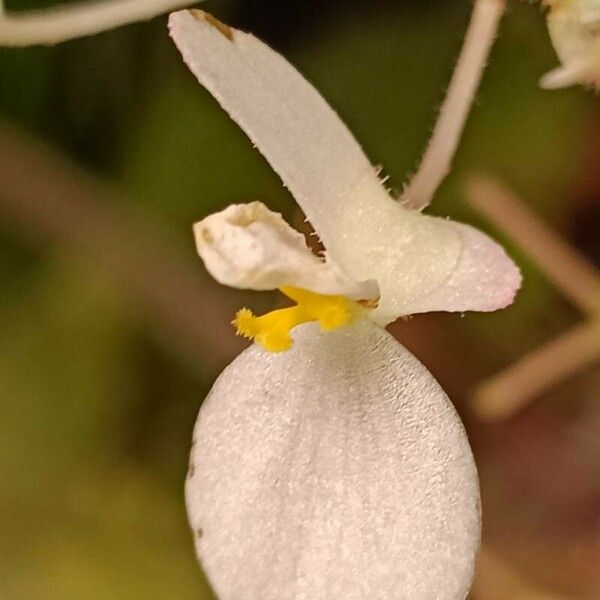
- 🌸 The Blooms: In late winter, it sends up tall, airy stalks topped with clusters of delicate, shell-pink flowers that hover high above the dramatic leaves.
🏡 In Your Garden
- 🌱 The Rhizome Rule: This plant grows from a thick, creeping stem called a rhizome that travels along the soil surface. It is highly sensitive to "wet feet," so it requires a shallow pot and extremely well-draining soil to prevent the rhizome from rotting.
- 🌫️ Humidity Balance: While it craves high humidity, the fuzzy leaves are magnets for powdery mildew if air circulation is poor. It’s a "Goldilocks" plant—it wants moist air but perfectly dry leaves.
- ☀️ Light Nuance: It mimics the forest floor. Give it bright, filtered light; direct afternoon sun will quickly bleach and "crisp" the edges of its majestic leaves.
⚠️ Safety & Toxicity
- 🚫 Status: Toxic to pets and humans.
- 🐾 Details: Like most begonias, it contains insoluble calcium oxalate crystals. If chewed, it causes immediate mouth pain, swelling of the lips/tongue, and drooling in cats and dogs. The most concentrated toxins are hidden in the underground rhizome.
✨ Fun Fact
This hybrid is incredibly historic! It was first bred in 1847 by crossing two Mexican species (B. heracleifolia and B. peponifolia), making it one of the oldest cultivated begonia hybrids still widely grown by enthusiasts today.

Detailed Care Instructions

Place in a window with dappled sun or a spot in the middle of a room. Or directly in a window facing west or east.

The presence of a dry surface layer of soil does not indicate that the plant requires water. Instead, stick your finger 1-2" (3-5 cm) deep in the soil to feel dampness or moisture content. If the soil seems dry, it's time to water your greens. If the soil is still moist, however, it is better not to water your plant and instead wait a day or two. Overwatering or waterlogging raises the risk of root rot. So if the soil takes longer than a week to dry, check the light conditions because it's likely that the plant isn't getting enough light. It's fine if the upper layer of soil is dry between waterings, but the deeper soil layer should always have some moisture.
These plant needs regular fertilizing during growing seasons. Fertilizing your plants in dormant state during the winter, might result in scorching or browning of the leaf tips. If mature plants display signs of nutrient insufficiency, fertilizer administration is necessary to restore the plant to its previous state.








