Plant Overview
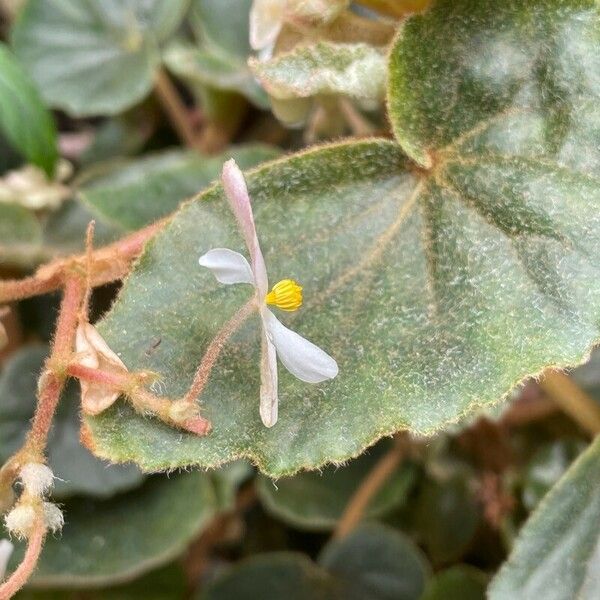
Often called the "Woolly Begonia," this Brazilian beauty is a tactile masterpiece for any indoor jungle. Unlike the waxy, slick leaves of many of its cousins, Begonia tomentosa is draped in a dense coat of fine, soft white hairs that look like a layer of silver frost. It’s a sensory delight, often nicknamed the "Petting Plant" because of its irresistible, felt-like texture.
🔍 How to Identify
- ☁️ Velvety Foliage: The most striking feature is the "tomentum"—a thick layer of soft, woolly hairs covering the leaves and stems, giving the plant a silvery-green shimmer.
- 🍃 Classic Begonia Shape: The leaves are typically asymmetrical or "lopsided" hearts, a signature trait of the Begonia family, with serrated or slightly wavy edges.
- 🌸 Dainty Clusters: When it blooms, it produces small, airy clusters of white or very pale pink flowers that hover gracefully above the fuzzy foliage on slender stalks.
🏡 In Your Garden
- ☁️ The Humidity Paradox: This plant craves high humidity to mimic its native Brazilian rainforest, but it hates wet leaves. Because the "wool" traps moisture, misting can quickly lead to fungal rot or powdery mildew. It's best to use a pebble tray or a humidifier nearby instead.
- ☀️ Dappled Protection: In the wild, it lives on the forest floor under a thick canopy. In your home, it needs bright, indirect light. Direct afternoon sun acts like a magnifying glass through the leaf hairs and can easily scorch the plant.
- 🪴 Gentle Hydration: It prefers to stay consistently moist but never soggy. If the plant gets too dry, the soft leaves will limp significantly, but they usually "perk up" quickly once given a drink.
⚠️ Safety & Toxicity
- 🐾 Toxic to Pets: Like almost all members of the Begonia genus, this plant contains calcium oxalate crystals. If chewed or swallowed by cats or dogs, it can cause intense oral irritation, drooling, and vomiting.
- 👶 Keep Out of Reach: While the "fuzzy" texture is tempting for children to touch, ingestion can cause a burning sensation in the mouth and throat. It is best kept on a high shelf or hanging planter.
✨ Fun Fact
The species name tomentosa comes from the Latin word tomentum, which refers to the cushioning or stuffing used in ancient pillows and mattresses. It’s a literal description of how soft and "stuffed" the leaves feel to the touch!

Detailed Care Instructions

Place in a window with dappled sun or a spot in the middle of a room. Or directly in a window facing west or east.

The presence of a dry surface layer of soil does not indicate that the plant requires water. Instead, stick your finger 1-2" (3-5 cm) deep in the soil to feel dampness or moisture content. If the soil seems dry, it's time to water your greens. If the soil is still moist, however, it is better not to water your plant and instead wait a day or two. Overwatering or waterlogging raises the risk of root rot. So if the soil takes longer than a week to dry, check the light conditions because it's likely that the plant isn't getting enough light. It's fine if the upper layer of soil is dry between waterings, but the deeper soil layer should always have some moisture.
These plant needs regular fertilizing during growing seasons. Fertilizing your plants in dormant state during the winter, might result in scorching or browning of the leaf tips. If mature plants display signs of nutrient insufficiency, fertilizer administration is necessary to restore the plant to its previous state.
You may use All Purpose Plant Food or Green Plant Food for your Begonia Tomentosa
Common pests of the begonia tomentosa include Mealybugs, spider mites, aphids, whiteflies. Make a habit of checking your begonia tomentosa frequently for pests so that any infestations can be caught and managed early.








