Plant Overview
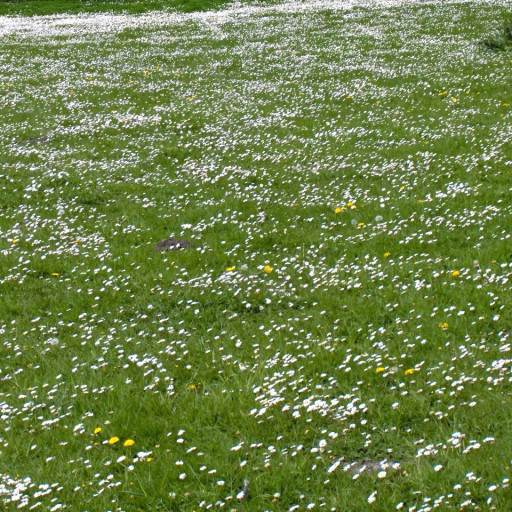
Known affectionately as the "English Daisy" or the "Day's Eye," Bellis perennis is the classic wildflower of European meadows and storybook illustrations. This resilient little plant has been a symbol of innocence and loyal love for centuries, often being the first flower children learn to recognize. It is so persistent that it has earned a dual reputation as both a beloved ornamental garden plant and a stubborn, cheerful survivor in household lawns.
🔍 How to Identify
- 🌼 The Flower Head: A bright yellow central disc composed of tiny florets, surrounded by a "fringe" of numerous delicate, white ray petals that are occasionally tipped with a soft pink or purple blush.
- 🍃 The Foliage: Smooth, spoon-shaped (spathulate) green leaves that grow in a tight, flat rosette hugging the ground.
- 📏 The Stem: A single, leafless, and slightly hairy stalk that rises directly from the center of the leafy base to support the flower.
🏡 In Your Garden
- 🌱 Mower Resistance: Because the leaf rosette grows so flat against the soil, the English Daisy is famous for surviving lawnmower blades unscathed, allowing it to bloom even in frequently manicured grass.
- 💧 Moisture Consistency: While they are hardy, they despise drying out completely. They perform best in "cool-season" climates and may go dormant or look ragged during the peak heat of a scorching summer.
- 🐝 Pollinator Support: These are often the first flowers to emerge in early spring, providing an essential early-season nectar source for bees and hoverflies when other flowers are still sleeping.
⚠️ Safety & Toxicity
- ✅ General Status: Bellis perennis is considered non-toxic to humans, and the flower heads are sometimes even used as an edible garnish in salads or brewed into traditional herbal teas.
- 🐾 Pet Safety: It is generally safe for cats and dogs, though ingesting large amounts of any plant material can cause mild stomach upset in pets.
- 🤧 Allergy Note: Individuals with a known allergy to the Asteraceae (Daisy) family—such as ragweed or marigolds—should handle them with care, as contact can occasionally cause mild skin irritation.
✨ Fun Fact
The common name "Daisy" is a rhythmic evolution of the Old English phrase "daeges eage," which literally translates to "day's eye." This refers to the plant’s "sleep signaling" (nyctinasty), where the petals close tight at night to protect the pollen and open wide to greet the sun every morning.

Detailed Care Instructions
For some people, English daisies are a noxious weed that appears as an unwelcome guest in their landscape, while others appreciate their cheerful flowers and grow them intentionally.
How often do English daisies bloom?
In some areas of the United States, they are biennials and bloom only once, in their second year. In northern states, they are grown as annuals.
How do you keep English daisies from spreading?
After they bloom and before the flowers produce seeds, remove the entire plant and discard it, which prevents it from reseeding itself.
| Color | Red, White, Pink |
| Soil Ph | 6.1-7.5 |
| Humidity | Normal |
| Invasive | Weed |
| Lighting | Part Sun |
| Soil Type | Moist And Loamy |
| Bloom Time | Spring |
| Difficulty | Medium |
| Plant Type | Biennial |
| Hibernation | Cold Period |
| Mature Size | Six To 12 Inches Tall |
| Native Area | Europe |
| Temperature | 10°C - 25°C |
| Sun Exposure | Partial Sun |
| Hardiness Zones | Usda Growing Zones 4-8 |
To grow Bellis perennis, also known as the common daisy, follow these steps:
- Select a sunny location: Choose an area in your garden or outdoor space that receives full sun or partial shade. Bellis perennis prefers sunlight, but it can tolerate some shade as well.
- Prepare the soil: Loosen the soil in your chosen area with a garden fork or tiller. Remove any large rocks, weeds, or debris. Bellis perennis can thrive in various types of soil but prefers moist, well-draining soil.
- Plant the seeds: Scatter the Bellis perennis seeds over the prepared soil. Sow them thinly, as the plants will spread and fill in the gaps over time. You can also start the seeds indoors in seed trays or small pots and then transplant them once they have developed a few true leaves.
- Lightly cover the seeds: Bellis perennis seeds require light to germinate, so only lightly cover them with a thin layer of soil, no more than 1/4 inch deep.
- Water regularly: Keep the soil consistently moist, especially during the germination phase. Water the plants regularly, ensuring the soil doesn't dry out completely. Once the plants are established, they are somewhat drought-tolerant, but it's still beneficial to provide regular watering during dry periods.
- Thin the seedlings: Once the seedlings have developed their second or third set of true leaves, thin them out to allow enough space for the plants to grow and spread. Space the plants about 4-6 inches apart.
- Mulch and weed: Apply a layer of organic mulch, such as straw or wood chips, around the plants to help retain moisture, suppress weeds, and regulate soil temperature. Regularly inspect and remove any weeds that may compete with Bellis perennis for nutrients and space.
- Deadhead spent flowers: To encourage continuous blooming, remove the faded or spent flowers before they go to seed. This will promote the growth of new flowers.
- Overwintering: Bellis perennis is a perennial plant and should survive the winter in milder climates. In colder regions, the plants may benefit from a layer of mulch to protect them during the winter months.
With proper care and maintenance, Bellis perennis should start blooming in early spring and continue until the onset of frost. Enjoy the delightful flowers and the beauty they bring to your garden!

Place in a window with dappled sun or a spot in the middle of a room. Or directly in a window facing west or east.

To water this plant, you should first assess the soil moisture level by sticking a finger about 2 inches into the soil. If the soil feels dry to the touch, it is time to water. Slowly pour water at the base of the plant, being careful not to splash the leaves or flowers. Avoid getting the plant too wet, as it can lead to fungal diseases. It is best to water in the morning or early evening to minimize evaporation. Depending on the temperature and humidity, you may need to water every few days or once a week.
For optimal growth and healthy blooms, provide a balanced fertilizer with equal amounts of nitrogen, phosphorous, and potassium. Apply the fertilizer at a rate of 1 tablespoon per gallon of water every two weeks during the growing season. Do not over-fertilize as it may damage the plant and affect its flowering. Water the plant thoroughly before and after applying the fertilizer to prevent burning the roots.
The ideal soil for the plant in question should be well-draining and fertile, with a pH between 6 and 7. The soil should be loose and friable, with good organic content to support healthy growth. It is also important to avoid compacted or heavy soils, which can impede root development and restrict water uptake. The soil should be worked thoroughly before planting, with any weeds or other undesirable plants removed. Providing regular irrigation and fertilization as necessary can help promote strong, vigorous growth and ensure abundant blooms.
Bellis Perennis plants can be propagated by taking stem cuttings from the mother plant. Choose a stem that is healthy and well-established, and cut it at a point just below a node or leaf joint. Remove any leaves or flowers from the stem, leaving only the very top few leaves intact. Dip the cut end of the stem in rooting hormone powder or liquid, and plant it in a pot filled with moist soil. Keep the soil moist but not waterlogged, and place the pot in a warm, bright location but out of direct sunlight. Within a few weeks, roots should begin to form, and new growth will develop from the top of the cutting. Once the new growth is well-established, the plant can be transplanted into its final growing location.
Common pests of the daisy include Aphids. Make a habit of checking your daisy frequently for pests so that any infestations can be caught and managed early.








