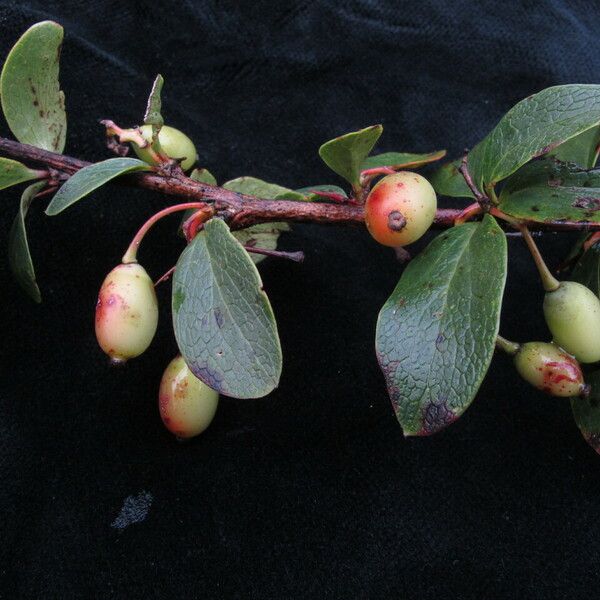
Plant Overview
Known as the Himalayan Barberry, this rugged evergreen shrub is a master of defense and seasonal transformation. Its name, glaucocarpa, literally translates to "blue-grey fruit," referring to the stunning waxy coating that makes its berries look like frosted jewels. Native to the high-altitude slopes of the Himalayas, it has traveled the world as a popular choice for "living fences" due to its impenetrable architecture.
🔍 How to Identify
- 🌿 The Foliage: Leathery, lance-shaped leaves that are dark green on top and often show a paler, silvery underside. They frequently feature small, sharp teeth along the edges.
- 🌼 The Blooms: During late spring, the plant produces drooping clusters of small, cup-shaped yellow flowers that have a delicate, honey-like fragrance.
- 🫐 The "Glaucous" Fruit: In autumn, the plant is heavy with oblong berries that transition from green to a deep purple-black, covered in a distinctive powdery blue "bloom" (wax).
- ⚔️ The Defense: The stems are armed with formidable three-pronged spines at the base of each leaf cluster, making it a very effective barrier plant.
🏡 In Your Garden
- 🏔️ Mountain Resilience: Because it evolved in the Himalayas, this plant is exceptionally hardy. It thrives in well-drained soil and can tolerate wind and poor soil conditions that would stress more delicate species.
- ✂️ Boundary Management: While it makes an excellent security hedge, be mindful of its placement. It has a vigorous growth habit and can be difficult to relocate once established due to its deep root system; choose its "forever home" carefully to avoid a thorny removal process later.
⚠️ Safety & Toxicity
- 🌵 Status: Physical Hazard & Low Toxicity.
- 🩸 Details: The primary concern is mechanical injury from the sharp spines, which can easily puncture skin and gardening gloves. While the berries of many Berberis species are technically edible, they contain berberine, which can cause stomach upset, nausea, or lethargy in pets and children if consumed in large quantities.
✨ Fun Fact
The roots and inner bark of the Himalayan Barberry contain a vibrant yellow pigment. For centuries, people in its native range have used these extracts to create high-quality yellow dyes for wool, silk, and traditional wood stains!

Detailed Care Instructions
Berberis glaucocarpa, commonly known as the blue barberry, is a hardy deciduous shrub known for its attractive foliage and berries. Here are some steps to grow this plant successfully:
1. Choosing the Right Location:
- Sunlight: Berberis glaucocarpa prefers full sun to partial shade. Aim for at least 6 hours of direct sunlight daily.
- Soil: This plant thrives in well-draining soil. It can tolerate a range of soil types, including sandy and loamy soils. However, it prefers slightly acidic to neutral pH.
2. Planting:
- Timing: The best time to plant is during spring or fall when temperatures are milder.
- Spacing: If planting multiple shrubs, space them about 3 to 5 feet apart, depending on the desired density.
- Planting Depth: Dig a hole that is twice the width of the root ball and the same depth. Gently place the plant in the hole, backfill with soil, and water thoroughly.
3. Watering:
- Water the plant regularly during its first growing season to establish a strong root system. After that, it is fairly drought-tolerant. However, during prolonged dry spells, it may benefit from supplemental watering.
4. Fertilizing:
- Berberis glaucocarpa generally doesn’t require heavy feeding. If the soil is poor, you can apply a balanced, slow-release fertilizer in early spring.
5. Pruning:
- Prune the shrub in late winter or early spring to maintain its shape and to remove any dead or damaged wood. Light pruning can also encourage new growth.
6. Pest and Disease Management:
- Blue barberry is relatively pest-resistant, but keep an eye out for common pests like aphids or spider mites. If infested, treat with insecticidal soap or neem oil.
- Ensure good air circulation around the plant to prevent fungal diseases.
7. Mulching:
- Apply a layer of organic mulch around the base of the plant to help retain moisture, suppress weeds, and regulate soil temperature.
8. Winter Care:
- In colder regions, apply a layer of mulch to protect the roots during extreme winter temperatures. Berberis glaucocarpa is generally hardy, but extra protection is beneficial, especially in young plants.
9. Propagation:
- You can propagate this shrub through seeds or stem cuttings. For cuttings, take semi-hardwood cuttings in late spring or early summer, treat with rooting hormone, and plant in a potting mix.
By following these guidelines, you can cultivate a healthy Berberis glaucocarpa that enhances your garden with its striking colors and resilience.

Place in a bright room that is sun drenched almost all day. Or directly in a south-facing window.

Watering Berberis glaucocarpa requires an understanding of its specific moisture needs, which can vary based on factors such as climate, soil type, and growth stage. Here are detailed steps on how to properly water this plant:
1. Soil Assessment: Before watering, check the soil moisture level. The plant prefers well-draining soil, which allows excess water to escape. If the top 1 to 2 inches of soil feels dry to the touch, it’s a good indication that watering is needed.
2. Watering Method: Use a soaker hose or a watering can with a spout to deliver water directly to the soil around the base of the plant. Avoid wetting the foliage to minimize the risk of fungal diseases.
3. Amount of Water: When watering, provide enough water to saturate the root zone. Generally, this means applying enough water so that it penetrates the soil to a depth of at least 6 to 12 inches. This helps encourage deep root growth.
4. Frequency: During the growing season, the plant may require more frequent watering, especially in hotter months. A general guideline is to water once every 1-2 weeks, depending on rainfall and temperature conditions. In cooler months or during dormancy, reduce the frequency.
5. Drainage Considerations: Ensure that any excess water can drain away freely. If the plant is in a container, ensure the pot has drainage holes. If planted in the ground, avoid areas where water tends to pool.
6. Signs of Over/Under-Watering: Monitor the plant for signs of distress. Yellowing leaves may indicate over-watering, while wilting or browning edges may suggest under-watering. Adjust your watering routine accordingly.
7. Mulching: Applying a layer of organic mulch around the base of the plant can help retain soil moisture and regulate temperature. However, ensure that the mulch does not touch the stem directly to avoid rot.
By following these guidelines, you can ensure that Berberis glaucocarpa receives the appropriate amount of water for healthy growth. Adjust according to seasonal changes and specific environmental conditions.
To fertilize Berberis glaucocarpa effectively, follow these guidelines:
- Timing: Apply fertilizer in early spring, just before new growth begins. A second application can be made in mid-summer if necessary.
- Fertilizer Type: Use a balanced, slow-release, granular fertilizer with an N-P-K ratio of around 10-10-10 or 14-14-14. Alternatively, an organic option such as well-aged compost or a balanced organic fertilizer can also be effective.
- Application Rate: Follow the manufacturer's instructions for the application rate. Generally, 1 to 2 pounds per 100 square feet should be sufficient for landscape settings.
- Method:
- Spread the fertilizer evenly around the base of the plant, ensuring to keep it away from direct contact with the stem to prevent burn.
- If using a liquid fertilizer, dilute according to the instructions and apply directly to the soil around the plant.
- Spread the fertilizer evenly around the base of the plant, ensuring to keep it away from direct contact with the stem to prevent burn.
- Watering: After application, water the area thoroughly to help the fertilizer penetrate the soil and reach the roots.
- Monitoring: Observe the plant for signs of nutrient deficiencies (such as yellowing leaves) or excessive growth, adjusting fertilization amounts and frequency accordingly.
Always consider the specific conditions of your soil and the growth environment, as over-fertilization can cause damage to the root system.
Berberis glaucocarpa thrives best in well-draining soil that is slightly acidic to neutral in pH. A mixture that includes sandy loam or loamy soil can promote healthy growth, as it provides good drainage while still retaining some moisture.
Incorporating organic matter, such as compost or well-rotted leaf mulch, can enhance soil fertility and structure, improving overall plant health. It's important to avoid overly soggy soil, as waterlogged conditions can lead to root rot and other diseases.
Additionally, consider adding gravel or perlite to increase drainage if needed, especially if your native soil retains too much water. Regular mulching can help maintain soil moisture levels and suppress weeds while also contributing to soil health over time.
Overall, the key is to provide a balanced environment that offers good drainage, the right pH level, and adequate nutrients for optimal growth.
To propagate Berberis glaucocarpa, you can utilize several methods, including seeds, cuttings, and layering. Here’s a detailed description of each method:
1. Seed Propagation
- Collection: Gather ripe seeds from mature fruits in late summer or early fall. Ensure you choose seeds from healthy plants.
- Preparation: Clean the seeds to remove any pulp. Soak them in water for about 24 hours to enhance germination.
- Stratification: To break dormancy, you will need to stratify the seeds. This can be done by placing them in a damp medium (like sand or peat) and storing them in the refrigerator for 30-60 days.
- Sowing: After stratification, sow the seeds in a well-draining potting mix or seed-starting mix. Plant them at a depth of about 1/8 inch.
- Conditions: Keep the mixture moist but not soggy, and place it in a location that receives indirect sunlight. Maintain temperatures between 65°F and 75°F (18°C to 24°C).
- Transplanting: Once the seedlings have developed a few true leaves and are large enough to handle, they can be transplanted into individual pots or directly into the garden.
2. Cutting Propagation
- Timing: The best time to take cuttings is during late spring or early summer when the plant is actively growing.
- Selection: Choose healthy, semi-hardwood stems that are about 4-6 inches long. Ensure that these stems have at least one or two leaf nodes.
- Preparation: Remove any leaves from the lower half of the cutting to prevent rot and to encourage rooting.
- Rooting Hormone: Optional, but applying rooting hormone on the cut end can enhance the chances of successful rooting.
- Planting: Insert the cuttings into a pot filled with a well-draining medium, such as a mix of perlite and peat moss. Water lightly after planting.
- Humidity and Light: Create a humid environment by covering the pot with a plastic bag or placing it in a greenhouse. Ensure the cuttings are placed in indirect light.
- Root Development: After a few weeks, gently tug on the cuttings to check for resistance that indicates root formation. Once established, the cuttings can be transplanted.
3. Layering
- Method: This method involves bending a lower branch toward the ground while keeping the tip exposed.
- Preparation: Select a healthy, flexible stem and make a small cut or scrape the bark on the underside to encourage rooting.
- Planting: Bury part of the stem in the soil, securing it with a U-shaped pin or wire. Make sure the tip is still above ground.
- Watering: Keep the soil moist but not soggy during the rooting process. This can take several months.
- Separation: Once roots have formed, the new plant can be cut from the parent and transplanted to a new location.
Each of these methods has its benefits and may vary in success based on local growing conditions, so consider trying multiple methods for optimal results.








