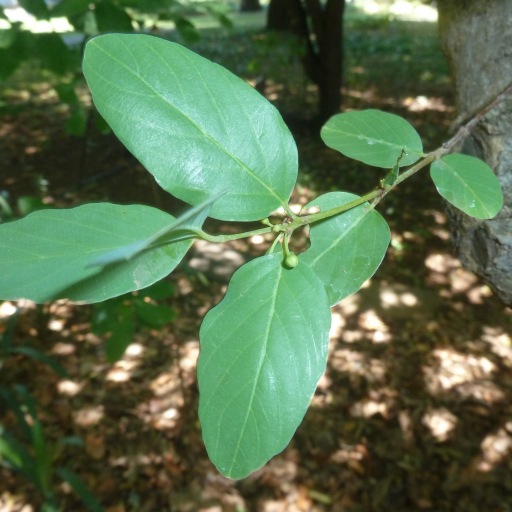
Plant Overview
Known as the "Royal Tree of the Zulus," Berchemia zeyheri is legendary for its stunning, naturally pink heartwood. Often called Pink Ivory or Red Ivory, this Southern African native is more than just a source of one of the world’s rarest timbers; it is a resilient, bird-attracting beauty that carries a deep sense of cultural history.
🔍 How to Identify
- 🍃 Leaf Structure: The leaves are small, elegant ovals with a distinct grayish-green hue and a smooth, waxy finish that helps the tree retain moisture.
- 🪵 The Bark: In its youth, the bark is silvery-grey and smooth, eventually developing a rugged, rectangularly cracked texture as the tree matures.
- 🍒 The Fruit: It produces small, oblong berries (drupes) that shift from green to a vivid yellowish-brown or deep reddish-purple when fully ripe.
🏡 In Your Garden
- ☀️ Sun-Loving Hardiness: This tree thrives in full sun and is incredibly drought-tolerant once established. It’s a perfect choice for xeriscaping or rockier soil where other trees might struggle.
- 🐦 A Wildlife Magnet: If you want a garden full of life, this is your tree. The sweet, date-like fruits are a favorite for various birds, which helps with natural pest control as they visit your garden.
- ⏳ Slow and Steady: Because it produces such incredibly dense wood, it is a slow-growing species. It won't overwhelm your yard quickly, making it a manageable long-term investment for a medium-sized landscape.
⚠️ Safety & Toxicity
- ✅ Safe for All: Berchemia zeyheri is non-toxic to humans, dogs, and cats.
- 😋 Edible Bounty: The fruits are traditionally harvested by local communities in Africa and can be eaten fresh or dried. They have a pleasant, sugary flavor similar to a dried grape or date.
✨ Fun Fact
👑 The King's Wood: In the 19th century, Pink Ivory wood was strictly reserved for Zulu royalty. It is said that any commoner caught carrying a staff made from this wood faced the death penalty, as it was considered a symbol of the King's exclusive power.

Detailed Care Instructions
To grow Berchemia Zeyheri plant, also known as the red ivory or wild peach, follow these steps:
- Choose an appropriate location: Berchemia Zeyheri prefers full sun to partial shade. Select a spot in your garden or outdoor space that receives at least 6 hours of direct sunlight daily.
- Prepare the soil: Berchemia Zeyheri thrives in well-draining soil. Till the soil to a depth of 12-18 inches and remove any weeds or debris. If the soil is heavy clay or very sandy, consider adding organic matter such as compost to improve drainage and nutrient content.
- Plant the seeds or seedlings: You can either start with seeds or purchase seedlings from a reputable nursery. If using seeds, sow them in the prepared soil at a depth of ½ an inch. If using seedlings, dig a hole slightly larger than the root ball, place the seedling in the hole, and backfill with soil.
- Water regularly: Berchemia Zeyheri plants require regular watering, especially during dry periods. Keep the soil consistently moist but not waterlogged. Water deeply, ensuring the water reaches the root zone.
- Mulch: Apply a layer of organic mulch around the base of the plant to help retain moisture and suppress weed growth. Ensure the mulch does not touch the stem to prevent rot.
- Pruning: Berchemia Zeyheri can benefit from regular pruning to maintain shape and promote new growth. Prune in late winter or early spring to remove dead, damaged, or overcrowded branches.
- Fertilizer: Apply a balanced slow-release fertilizer in early spring or as recommended by a horticulturist. Follow the packaging instructions for the correct dosage and application method.
- Pests and diseases: Monitor the plant for common pests like aphids, scale, or caterpillars. Treat any infestations promptly using insecticidal soap or natural remedies. Watch out for diseases such as leaf spot or powdery mildew. If any issues arise, consult with a local plant expert for appropriate treatment options.
- Winter protection: Berchemia Zeyheri is generally hardy in USDA zones 9-11. If you live in a colder region, consider planting it in a container that can be brought indoors during winter or providing protection with frost blankets or wraps.
- Enjoy the fruits: Berchemia Zeyheri produces small red fruits that are edible. Harvest them when fully ripe and enjoy the unique flavor. Note that the fruits have a large seed inside, so you'll need to remove it before eating.
Remember to research and understand the specific growing requirements for your region to ensure the best success with Berchemia Zeyheri.
Berchemia Zeyheri is a type of plant that requires consistent moisture for optimal growth. It is important to water this plant deeply, ensuring that the soil is thoroughly saturated. However, it is equally important not to overwater, as this can lead to root rot and other problems.
To water Berchemia Zeyheri, start by checking the soil moisture level. A good way to do this is by sticking your finger about an inch into the soil. If it feels dry, it is time to water. If it still feels moist, wait a few more days before checking again.
When watering, use a watering can or hose with a gentle spray attachment. Water slowly and evenly, allowing the soil to absorb the moisture. Avoid getting water on the leaves or stems, as this can promote the growth of fungal diseases.
After watering, allow the soil to drain and avoid letting the plant sit in standing water. If the soil is slow to drain, consider adding some sand or other soil amendments to improve drainage.
In general, Berchemia Zeyheri plants require more frequent watering during hot, dry weather. In cooler weather or during periods of rain, they may need less frequent watering. By closely monitoring the soil moisture level and adjusting your watering accordingly, you can help ensure healthy growth for your Berchemia Zeyheri plant.
To successfully fertilize this plant, apply a balanced fertilizer with equal parts nitrogen, phosphorus, and potassium in early spring before new growth appears. As the plant grows, apply a water-soluble fertilizer every two weeks during the growing season. Be careful not to over-fertilize, as this can lead to excessive growth and weak stems. In the fall, use a slow-release fertilizer to give the plant nutrients for the winter.
When selecting soil for Berchemia Zeyheri plant, it is important to consider its natural habitat. This plant is native to areas with well-draining soil that is moderately fertile and slightly acidic. Therefore, it is recommended to use sandy, loamy soil that has excellent drainage capacity. The soil pH should be around 5.0-6.5, which can be achieved by adding organic matter such as peat moss or compost. The soil should be well-aerated to provide sufficient oxygen to the roots and prevent waterlogging, which can lead to root rot. In addition, adding perlite or coarse sand to the soil mix can help to improve drainage. It is also recommended to avoid using heavy clay soils that tend to become waterlogged and retain too much moisture. Overall, selecting the right soil is essential for the healthy growth and flowering of Berchemia Zeyheri plant.
Propagation of this plant can be done through various methods such as seed propagation, cutting propagation, and layering.
For seed propagation, collect the seeds from ripe berries and store them in a dry and cool place. In spring, sow the seeds in a well-draining potting mix that is kept moist and warm. Seed germination usually takes about 2-3 weeks.
Cutting propagation involves taking stem cuttings of about 4-6 inches long from mature plants in late summer or early autumn. Remove the lower leaves and dip the cut end in rooting hormone powder. Plant the cutting in a well-draining potting mix and keep it moist and warm. The cutting should form roots in about 4-6 weeks.
Layering is another method of propagation where a stem is bent to the ground and buried under soil, leaving the tip exposed. Roots will form from the buried section of the stem, and after a few months, the new plant can be separated from the mother plant and potted.
Regardless of the method chosen, it is important to keep the soil moist and provide adequate light and warmth for the new plants to grow successfully.








