Plant Overview
Known as the "Ghost of the Iberian Mountains," the Betula celtiberica is a resilient and elegant tree that brings a touch of silver to the high-altitude landscapes of Spain and Portugal. Often found clinging to misty slopes where other trees struggle, this birch is a symbol of endurance and purity. Its papery white bark and rhythmic, swaying branches make it a favorite for those looking to add a sense of movement and "woodland magic" to a landscape.
🔍 How to Identify
- ⚪ The Bark: The most striking feature is its chalky, silvery-white bark. As the tree matures, the bark often peels away in thin, horizontal papery strips, revealing shades of cream or copper underneath.
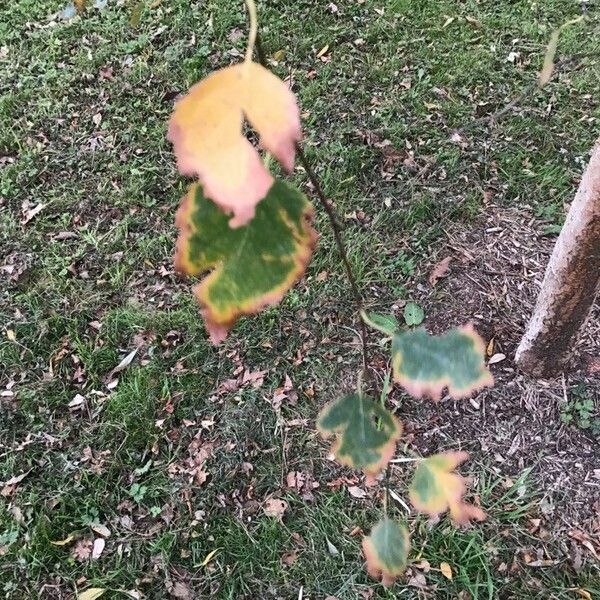
- 🍃 The Leaves: Small, triangular to diamond-shaped leaves with double-toothed (serrated) edges. They are a vibrant green in summer and transform into a brilliant, buttery yellow during the autumn months.
- 🌾 The Catkins: In early spring, the tree produces pendulous, cylindrical flower clusters known as catkins. The male catkins hang low like golden-brown tassels, releasing pollen into the wind.
🏡 In Your Garden
- 💧 Cool Feet, Sunny Head: This birch is a "pioneer species" that loves light but requires consistent moisture. It performs best in areas where the soil stays cool and damp, as it is particularly sensitive to prolonged droughts.
- ⛰️ Acidic Soul: Unlike many garden trees, the Celtiberian Birch thrives in acidic, peaty, or sandy soils. If your soil is too alkaline, the leaves may turn yellow (chlorosis), signaling that the tree isn't getting the nutrients it needs.
- 🌬️ Wind & Space: Because of its flexible branches and slender profile, it handles wind well, but its shallow root system means it should be planted away from heavy structures or pipes that might interfere with its horizontal growth.
⚠️ Safety & Toxicity
- ✅ Safe for Pets: The Betula celtiberica is generally considered non-toxic to dogs, cats, and horses.
- 🤧 Pollen Alert: While it won't hurt your pets, it is a wind-pollinated tree. During the spring, it releases fine yellow dust that can be a significant trigger for seasonal allergy sufferers (hay fever).
✨ Fun Fact
The Betula celtiberica is a botanical "relict" from the post-glacial era. While most birch species retreated north as the climate warmed thousands of years ago, this specific variety stayed behind, adapting perfectly to the high, cold peaks of the Iberian Peninsula.

Detailed Care Instructions
To grow Betula Celtiberica, also known as Celtis tree or Hoptree, you can follow these steps:
- Choose the right location: Betula Celtiberica prefers a sunny or partially shaded spot. Ensure that the area has well-draining soil and enough space for the tree to mature.
- Prepare the soil: Before planting, loosen the soil by digging a hole twice the width and depth of the container the plant comes in. Mix in organic matter such as compost to improve soil fertility and drainage.
- Planting: Place the Betula Celtiberica plant in the hole, ensuring that the top of the root ball is level with or slightly above the surrounding soil. Fill the hole with soil, gently firming it around the base of the tree.
- Watering: Give the newly planted tree a thorough watering to settle the soil and ensure good root-to-soil contact. Water the plant regularly during the growing season, keeping the soil moist but not waterlogged. Decrease the frequency of watering during winter months.
- Mulching: Apply a layer of organic mulch, such as wood chips or bark, around the base of the tree. Mulching helps retain moisture, suppresses weeds, and regulates soil temperature.
- Pruning: Minimal pruning may be necessary to shape the tree or remove dead or damaged branches. Prune Betula Celtiberica during late winter or early spring before new growth emerges.
- Fertilizing: Depending on the soil quality, you may need to fertilize the tree occasionally. Use a balanced, slow-release fertilizer following the manufacturer's instructions.
- Protection: In regions with harsh winters, protect the tree from freeze-thaw cycles by wrapping the trunk with burlap or using a tree wrap. This helps prevent sunscald and frost damage.
- Pest and disease control: Betula Celtiberica is generally resistant to pests and diseases. However, monitor the tree regularly for any signs of infestation. If necessary, treat with appropriate organic or chemical controls.
- Maintenance: Regularly monitor the growth and health of the tree. Water and fertilize as needed, and keep the area around the tree free from debris and weeds.
Following these steps should help you successfully grow Betula Celtiberica. Remember to be patient, as it may take several years for the tree to reach its mature size.
When providing water to this particular plant species, it is important to thoroughly understand the water requirement needs for optimal health. As a general rule, it is vital for the soil to be moist without over-watering the plant.
It is recommended to check the soil's moisture levels regularly before watering. If it feels dry, it is time to provide water. If the soil feels moist, wait another day before rechecking.
For optimized results, it is essential to ensure that the water reaches the roots' depths, as these plants have a broad and deep root system that requires thorough watering.
Finally, as with any plant, it is crucial to avoid waterlogging - thus, it is advisable to avoid watering the plant excessively. Over-watering leads to conditions such as root rot, which can cause irreparable damage to the plant.
To fertilize the Betula Celtiberica plant, you should use a balanced, slow-release fertilizer in the spring. Apply the fertilizer at the base of the plant, avoiding contact with the leaves or stem. Water the plant thoroughly after fertilizing. Repeat this process every 6-8 weeks during the growing season. Avoid over-fertilizing as it can damage the plant.
The ideal soil for Betula Celtiberica plant should be well-draining and rich in organic matter. It should have a slightly acidic pH level, ranging from 5.5 to 6.5. The soil should be moist, but not waterlogged, as the plant does not tolerate waterlogging well. It is recommended to mix organic compost or peat moss with the soil before planting to improve its fertility and moisture retention. Additionally, it is important to ensure that the soil has good aeration and is not compacted, as this can hinder root growth and nutrient uptake.
To propagate this plant, gather a few stem cuttings from a healthy and mature plant. The cuttings should be around 4-6 inches in length and should have at least a few leaves attached to them. Remove the lower leaves from the cutting and dip the cut end into rooting hormone powder. Plant the cutting in well-draining soil and keep it in a warm and humid location. Water the cutting regularly and make sure it receives enough sunlight. After a few weeks, the cutting should start developing roots and new growth. Once the roots are well-established, the new plant can be transplanted to its permanent location.








