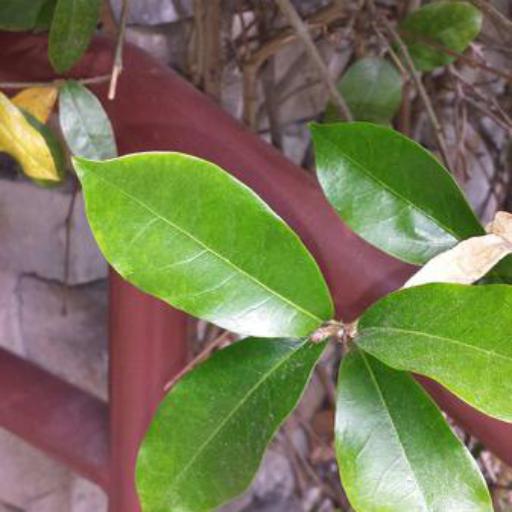
Plant Overview
Often called the Lavender Trumpet Vine, this South American beauty brings a regal splash of violet to any vertical space. Unlike its more aggressive orange cousins, this vine offers a sophisticated, almost delicate display of streaked flowers that look as if they were hand-painted. It is a favorite for gardeners wanting to create a romantic, "old-world" Mediterranean feel on fences and pergolas.
🔍 How to Identify
- 🌸 The Blooms: Large, funnel-shaped lavender or pale violet flowers usually appear in pairs. Look closely at the "throat" to see intricate dark purple veins etched against a creamy white or yellow base.
- 🍃 Glossy Foliage: The leaves are a deep, waxy green and grow in opposite pairs. They are evergreen in warmer climates, providing a lush, dense screen all year round.
- 🧶 Forked Tendrils: This plant is a "clamberer." It uses thin, forked tendrils that act like tiny hooks to grab onto wires, lattices, or neighboring branches to pull itself upward.
🏡 In Your Garden
- 🧗 Support Systems: Because it uses tendrils rather than "suckers," it won't damage brickwork, but it cannot climb a flat wall. It requires a trellis, mesh, or chain-link fence to weave through.
- ✂️ The Pruning Secret: This vine blooms on "new wood" (the growth from the current season). To ensure a massive explosion of flowers, prune it back moderately right after the spring blooming cycle finishes to stimulate fresh stems.
⚠️ Safety & Toxicity
- ✅ General Safety: Bignonia callistegioides is generally considered non-toxic to humans, cats, and dogs. It is a much safer alternative for family gardens than the more toxic Wisteria.
- 🌿 Mild Irritation: While not poisonous, some gardeners with sensitive skin may experience mild redness or itching from the sap when pruning. Wearing gloves is recommended during heavy maintenance.
✨ Fun Fact
The plant’s former genus name, Clytostoma, is derived from the Greek words for "beautiful mouth," a direct tribute to the wide, inviting opening of its trumpet-shaped flowers which are perfectly shaped for hummingbirds to visit.

Detailed Care Instructions
To grow Bignonia callistegioides, also known as the Mexican violet trumpet, follow these steps:
- Climate: Ensure you are in a suitable climate for this plant. Bignonia callistegioides thrives in tropical and subtropical regions. It prefers full sun to partial shade.
- Soil: Use well-draining soil that is rich in organic matter. Amend the soil with compost or aged manure to improve its nutrient content and water drainage. The pH level should ideally be between 6.0 and 7.5.
- Planting: Dig a hole in the prepared soil that is slightly larger than the plant's root ball. Place the plant in the hole and fill it with soil, gently firming it around the roots. Ensure the plant is at the same depth as it was in the container.
- Watering: Water the plant thoroughly after planting to settle the soil and remove air pockets. Afterward, water regularly to keep the soil consistently moist. However, avoid overwatering as it can lead to root rot.
- Mulching: Apply a layer of organic mulch around the base of the plant to help retain moisture, suppress weeds, and regulate soil temperature. Keep the mulch a few inches away from the stem to prevent rot.
- Fertilization: Feed the plant with a balanced, slow-release fertilizer during the growing season, following the package instructions. Alternatively, you can use a liquid fertilizer once a month. This will promote healthy growth and blooming.
- Pruning: Prune Bignonia callistegioides regularly to control its size and shape. Remove any dead or damaged branches, and trim back unruly growth. This can be done during late winter or early spring.
- Support: Bignonia callistegioides is a climbing vine. Provide a trellis, fence, or other support structure to allow it to climb and spread. The plant will use its aerial roots to grip onto the support and gain height.
- Pest and disease control: Monitor the plant for any signs of pests, such as aphids or mealybugs, and treat them accordingly. Additionally, keep an eye out for diseases like powdery mildew or root rot. Proper watering, good air circulation, and maintaining a clean garden will help prevent these issues.
By following these steps, you should be able to successfully grow Bignonia callistegioides and enjoy its beautiful violet trumpet-shaped flowers.

Place in a bright room that is sun drenched almost all day. Or directly in a south-facing window.

Bignonia Callistegioides is a plant that requires adequate moisture to thrive, especially during its growth and flowering stages. The best way to water this plant is to ensure that the soil remains evenly moist but never waterlogged. Overwatering can lead to root rot and eventual death of the plant.
One way to determine if the plant needs watering is by checking the soil moisture level. This can be done by inserting the index finger into the soil up to the second knuckle. If the soil feels dry, it is time to water. Conversely, if the soil feels damp or wet, it is best to hold off on watering.
When watering Bignonia Callistegioides, it is important to apply water slowly and evenly to the soil, allowing it to soak in. This can be achieved by using a watering can or a hose with a gentle spray nozzle. Water should be applied to the base of the plant and not the leaves since wet leaves can promote the growth of fungal diseases.
Depending on the environmental conditions, Bignonia Callistegioides may require watering once or twice weekly during the growing season. In hot, dry weather, the plant may require more frequent watering to maintain its moisture level. In winter, when the plant is dormant, watering can be reduced to avoid waterlogging the soil.
Overall, the key to watering Bignonia Callistegioides is to strike a balance between providing enough moisture to keep the plant healthy and avoiding overwatering, which can lead to root rot.
To properly fertilize this plant, use a balanced, slow-release fertilizer with a ratio of 10-10-10 or 15-15-15. Apply the fertilizer during the growing season, which typically occurs in the spring and summer months. Follow the package instructions for the appropriate amount to apply based on the size of your plant. Avoid over-fertilizing as this can cause damage to the plant and negatively impact its growth. Water the plant thoroughly after fertilizing to ensure the nutrients are absorbed into the soil.
Bignonia callistegioides, like most plants, requires soil that is well-draining and also provides enough moisture to the roots. A high-quality potting mix with added perlite or sand is ideal, as it helps to improve drainage and aeration around the roots. The soil should have a pH level of between 6.0 and 7.0, which is considered slightly acidic to neutral. Additionally, the soil should be rich in organic matter. This can be achieved by adding compost or well-rotted manure to the soil before planting. Over time, regularly adding organic matter to the soil can help to improve its fertility and texture. Bignonia callistegioides also prefers soil that has good levels of phosphorus and potassium, which can be achieved through the use of a balanced fertilizer.
To propagate Bignonia Callistegioides, you can take stem cuttings from the parent plant. Select a healthy and mature stem, preferably from the top of the plant, and make a clean cut using a sharp and sanitized tool. The cutting should be around 4-6 inches long.
Remove the bottom leaves from the cutting, leaving only 2-3 leaves at the top. Dip the cut end in rooting hormone powder and place it in a well-draining soil mix. Water the soil so that it's moist but not waterlogged.
Cover the pot with a plastic bag or dome to create a humid environment and place it in a warm and bright spot, but not in direct sunlight. Mist the cutting periodically to keep the soil moist.
After 2-4 weeks, check for root development by gently tugging on the stem. If you feel resistance, it means roots have formed and you can gradually remove the plastic covering.
Once the cutting has established roots, you can transplant it into its own pot or into a larger container or garden bed. Keep the soil consistently moist and provide bright, indirect light until the plant is established.
Common pests of the argentine trumpetvine include Aphids, larvae, snails. Make a habit of checking your argentine trumpetvine frequently for pests so that any infestations can be caught and managed early.








