Plant Overview
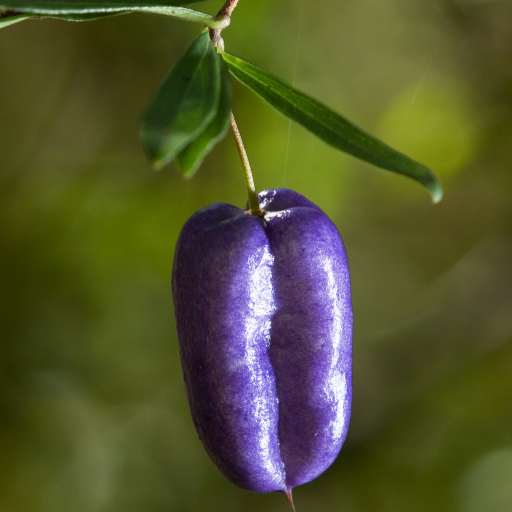
Known as the Purple Apple Berry, this elegant Australian climber is the "hidden gem" of the cool-temperate rainforest. While its lime-green flowers are subtle and shy, it truly steals the show in autumn when it hangs heavy with glossy, electric-purple fruits that look like polished jewels. It is a favorite for those looking to add a touch of "Tasmanian wilderness" to a trellis or a shady garden corner.
🔍 How to Identify
- 🔔 The Flowers: Small, pendulous, bell-shaped blooms that dangle from the stems. They usually start as a pale greenish-yellow and may develop a purple tint as they age.
- 🍃 The Foliage: Narrow, dark green, and leathery leaves. The plant is an evergreen, meaning it provides a lush, deep-green screen throughout the entire year.
- 🍇 The Fruit: The most distinct feature—large, oblong, fleshy berries. While most common in a vibrant violet-purple, they can occasionally be found in shades of electric blue or even white.
🏡 In Your Garden
- 🧗 Growth Habit: This is a gentle, twining climber rather than an aggressive one. It won't tear down your gutters; instead, it prefers to scramble through a light trellis or weave itself through the branches of a sturdier "host" shrub.
- 💧 The "Cool Feet" Rule: Mimicking its forest floor origins, this plant thrives when its roots are kept cool and moist with heavy mulch, while its upper stems reach for dappled sunlight.
- 🪴 Soil Nuance: It is quite picky about its "home." It requires acidic, well-draining soil. Because it has a sensitive root system, it often suffers from "transplant shock," so choose its forever-home carefully!
⚠️ Safety & Toxicity
- 🟢 Status: Generally considered non-toxic and safe for gardens.
- 🍴 Human Consumption: The berries are a traditional "bush tucker" (native food) of Australia. They are edible when fully ripe, though the texture is often described as mealy or spongy.
- 🐾 Pets: While there are no major reports of toxicity to cats or dogs, the fruit contains saponins. If a pet eats a large quantity, it might cause mild stomach upset or drooling.
✨ Fun Fact
The name "Apple Berry" isn't about the shape, but the flavor! When the purple berries are perfectly ripe, many people claim they taste remarkably like spicy, stewed apples or even aniseed-flavored bread.

Detailed Care Instructions
Billardiera longiflora, also known as the sweet appleberry, is a native Australian plant that grows well in well-drained soil and full sun to partial shade. Here are some tips to help you grow Billardiera longiflora successfully:
- Choose a sunny or partially shaded location: Billardiera longiflora plants thrive in full sun to partial shade, so make sure to choose a spot in your garden that receives plenty of sunlight.
- Plant in well-drained soil: Make sure the soil is well-drained and fertile. If you have heavy clay soil, consider adding some compost or other organic matter to improve drainage.
- Water regularly: Water your Billardiera longiflora plant regularly, especially during dry periods. Make sure the soil is consistently moist but not waterlogged.
- Prune regularly: Billardiera longiflora plants may benefit from regular pruning to promote new growth and maintain a compact shape. Prune dead or diseased branches as needed.
- Mulch: Mulching around the base of the plant can help retain moisture in the soil and suppress weed growth. Use organic mulch like bark chips or straw.
- Fertilize: You can fertilize your Billardiera longiflora plant with a balanced fertilizer in the spring or early summer to promote healthy growth. Follow the instructions on the fertilizer package for best results.
- Propagation: You can propagate Billardiera longiflora plants from seeds or cuttings. Seeds can be sown in a seed-raising mix and kept warm and moist until germination. Cuttings can be taken from new growth and rooted in a propagation mix.
By following these tips, you can successfully grow Billardiera longiflora plants in your garden and enjoy their lovely flowers and edible fruit.

Place in a window with dappled sun or a spot in the middle of a room. Or directly in a window facing west or east.

To water this plant, you should give it a thorough watering by moistening the soil until it is evenly saturated. Be sure not to overwater the plant, as excessive moisture can lead to root rot. Allow the top inch of soil to dry out before watering again. It is important to water the plant consistently, but also allow for some periods of slight dryness to promote healthy root growth. Additionally, ensure that the plant is placed in a well-draining pot to prevent water stagnation.
To fertilize Billardiera longiflora, use a balanced fertilizer with equal parts of nitrogen, phosphorus, and potassium. Apply the fertilizer in early spring before new growth appears, following the instructions on the packaging for dilution and frequency. Water the plant thoroughly after fertilizing to help the nutrients penetrate the soil and reach the roots. Avoid over-fertilizing as it can cause nutrient imbalances and harm the plant. Regular fertilization will help promote healthy growth and blooming.
Billardiera Longiflora plants thrive in well-draining soil that is rich in organic matter. A sandy loam or loamy soil mixture with a neutral pH level is ideal for these plants. It is important to ensure that the soil has good aeration to promote healthy root growth. Adding organic compost or peat moss to the soil can help improve its overall texture and fertility. It is recommended to avoid heavy clay soils that may cause waterlogged conditions, as this can lead to root rot in Billardiera Longiflora plants. Overall, a well-balanced soil with good drainage and sufficient nutrients will support the growth and development of the plant.
Billardiera Longiflora can be propagated through seeds and stem cuttings.
To propagate through seeds, collect mature seeds from the plant in the fall and sow them in well-draining, moist soil in the spring. Keep the soil consistently moist and place the seeds in a warm, sunny location. Germination should occur within a few weeks.
To propagate through stem cuttings, select a healthy stem from the plant and cut a 4-6 inch section just below a node. Remove the lower leaves to expose the nodes and dip the cut end in rooting hormone. Plant the cutting in a mixture of potting soil and perlite and keep it moist and in a warm, sunny location. Roots should begin to develop within a few weeks.
Both methods of propagation may take some time to establish and grow into mature plants, so patience is key. Additionally, providing proper care and attention to the young plants will help ensure successful growth.








