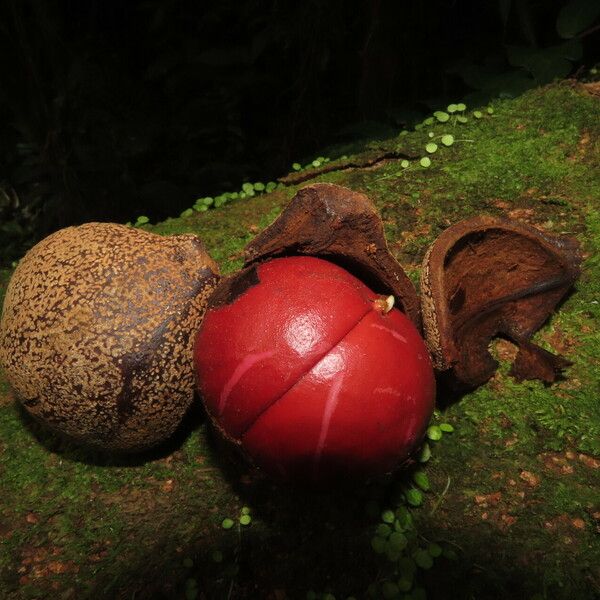
Plant Overview
Often called the Tropical Horse Chestnut, Billia rosea is a hidden gem of the Latin American cloud forests, stretching from Mexico down to Colombia. With its dramatic, upright pink flower spikes and lush, dark foliage, it brings a touch of regal elegance to any tropical landscape or large conservatory. It is a slow-growing survivor that adds a prehistoric, lush feel to its environment.
🔍 How to Identify
- 🍃 Trifoliate Leaves: Unlike its northern cousins that have five or seven leaflets, this species typically sports groups of three large, glossy, dark green leaflets that feel thick and leathery.
- 🌸 Upright Panicles: The flowers are the true showstoppers—vibrant pink to reddish-orange clusters that stand tall like candles at the ends of the branches.
- 🌰 Leathery Fruit: After the blooms fade, it produces smooth, pear-shaped green capsules that eventually split open to reveal large, shiny brown seeds.
🏡 In Your Garden
- 🌥️ Cloud Forest Origins: Because it hails from high-altitude tropical regions, it craves high humidity and dappled sunlight. It struggles in dry, desert-like air and prefers its "feet" to stay cool and moist.
- 🌱 Root Stability: This tree is known for its sensitivity to being moved. It develops a significant root system early on, so it’s best to choose a permanent "forever home" in your garden rather than frequently repotting or transplanting it.
⚠️ Safety & Toxicity
- 🚫 Toxic if Ingested: Like many members of the Soapberry family, Billia rosea contains saponins and other alkaloids that are not safe for consumption.
- 🐾 Pets & Children: The seeds (which can look enticingly like nuts) and young shoots are particularly hazardous. Ingestion can cause severe stomach upset, lethargy, or coordination issues in dogs, cats, and humans.
✨ Fun Fact
🧬 The Glamorous Cousin: While it looks like a rare tropical treasure, it is actually a close relative of the common Horse Chestnut and the Maple tree. You can think of it as the "glamorous southern cousin" that traded the cold northern winters for the misty mountain forests of the tropics!

Detailed Care Instructions

Some plants require more regular watering than others, which should be done every few days. It's critical to maintain the soil moist all of the time. The water requirements of the same plant placed in pots with varying sizes will differ. Because the water in the smaller pot evaporates faster than the water in the larger pot, it will require more watering. Regardless of pot size, the surface should constantly be maintained moist.








