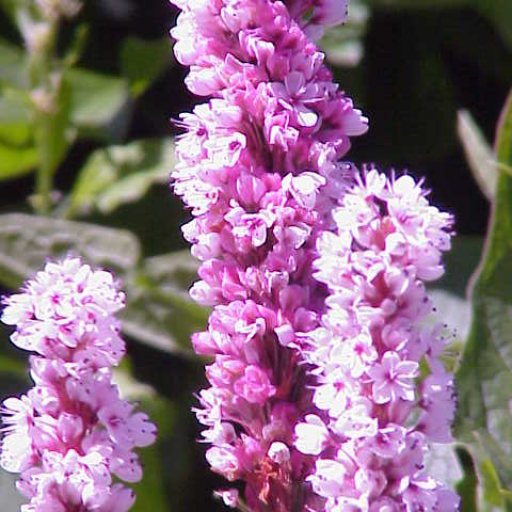
Plant Overview
Often called the "Himalayan Knotweed" or "Fleece Flower," Bistorta affinis is a low-growing mountaineer that brings a dramatic, shifting palette to the garden floor. Native to the rocky slopes of the Himalayas, this plant creates dense, weed-smothering mats that change color as the seasons progress. It is the perfect choice for anyone looking to add a touch of wild, alpine elegance and reliable groundcover to their landscape.
🔍 How to Identify
- 🌸 The "Ombre" Spikes: It features dense, upright flower spikes that transform over time; a single plant often displays a mix of white, soft pink, and deep crimson blooms simultaneously.
- 🍃 Leathery Foliage: The leaves are narrow, lance-shaped, and dark green with a distinct pale midrib. In the autumn, the foliage takes on a beautiful bronzy-brown hue that persists into winter.
- 👣 Creeping Habit: This plant grows as a thick, prostrate carpet. It spreads via underground rhizomes, rarely reaching more than 10 inches in height but expanding horizontally to fill gaps.
🏡 In Your Garden
- ⛰️ Alpine Toughness: Because it hails from high-altitude scree slopes, it is incredibly hardy. It excels in rock gardens or at the front of borders where it can spill over edges and soften hard landscaping.
- 🛡️ Weed Suppressor: Its mat-forming nature makes it a "living mulch." Once established, it grows so densely that it naturally prevents weed seeds from reaching the soil, reducing your garden maintenance.
⚠️ Safety & Toxicity
- ✅ Generally Safe: Bistorta affinis is not listed as a toxic plant for humans or common household pets like dogs and cats.
- 🧤 Sensory Note: While safe, some people with very sensitive skin may experience mild redness if handling the sap in large quantities. It is always a good practice to wear gloves when dividing large clumps.
✨ Fun Fact
The genus name Bistorta comes from the Latin words bis (twice) and torta (twisted). This refers to the plant's thick, woody roots, which were historically described as being "twice-twisted" like a snake.

Detailed Care Instructions
To grow Bistorta affinis, also known as Himalayan bistort or Indian plaintain, you can follow these steps:
- Climate and Soil Requirements: Bistorta affinis prefers cool and moist climates with temperatures ranging between 50-75°F (10-24°C). It is tolerant of light shade, but it grows best in full sun. The soil should be medium to wet, fertile, and well-draining.
- Planting: You can begin by planting seeds or dividing existing plants. Plant seeds in early spring or fall in prepared seed trays, ensuring they receive sufficient sunlight and moisture. Transplant seedlings outdoors when they are strong enough.
- Site Preparation: Clear the site of any weeds or grasses and prepare the soil by breaking it up and removing any rocks or debris. Incorporate organic matter like compost into the soil to improve fertility and drainage.
- Planting Distance: Bistorta affinis should be spaced about 12-18 inches (30-45 cm) apart to allow room for the plant's spread.
- Watering: Keep the soil consistently moist, but not waterlogged. Water deeply whenever the top inch (2.5 cm) of soil feels dry.
- Fertilization: Bistorta affinis generally doesn't require much fertilizer. However, you can apply a balanced organic fertilizer once in early spring to promote healthy growth.
- Mulching: Apply a layer of organic mulch around the plants to help retain moisture and suppress weed growth. This is particularly important in warmer climates.
- Maintenance: Remove any dead or damaged leaves to prevent diseases and maintain a neat appearance. Cut back the plant after flowering to encourage fresh growth.
- Overwintering: Bistorta affinis is hardy in USDA zones 4-9. In colder regions, apply a layer of mulch around the base of the plant in late fall to protect it during the winter months.
- Propagation: You can propagate Bistorta affinis by dividing the plants in early spring or fall. Dig up the clump, separate the root sections, and replant them at the desired location.
Remember to check with local gardening experts or nurseries for specific guidelines based on your location and climate.

Place in a bright room that is sun drenched almost all day. Or directly in a south-facing window.

To effectively water Bistorta affinis, it is important to consider the specific needs of this plant species. Here are some details on watering requirements and best practices:
1. Watering Frequency: Bistorta affinis prefers consistently moist soil but not excessively wet conditions. It is essential to strike a balance by providing water whenever the soil starts to feel dry to the touch.
2. Soil Type and Drainage: This plant thrives in well-draining soil. Ensure that the soil is not compacted or heavy, as it can lead to waterlogging and root rot. Sandy or loamy soil types are generally suitable for Bistorta affinis.
3. Watering Method: When watering Bistorta affinis, it is advisable to use the bottom-up method. Place the pot in a saucer or tray filled with about an inch of water, allowing the plant to absorb moisture from the bottom through the drainage holes. This method prevents overwatering while ensuring sufficient hydration.
4. Water Quality: Use room temperature or tepid water for watering Bistorta affinis. Avoid using cold water as it may shock the plant's roots. Additionally, this plant prefers water with a neutral pH level, so consider adjusting the quality if necessary.
5. Monitoring Plant Needs: Observe the plant closely to determine its specific water requirements. Factors such as temperature, humidity, and sunlight levels can influence the plant's water needs. Adjust the watering frequency accordingly to maintain optimal conditions.
6. Leaf Hydration: While it is essential to focus on watering the soil, Bistorta affinis can also benefit from occasional misting of its leaves. This helps enhance humidity levels and prevents the leaves from drying out.
Overall, understanding the watering needs of Bistorta affinis and maintaining an appropriate watering schedule will go a long way in promoting its health and growth.
To fertilize Bistorta Affinis plant, use a balanced fertilizer with equal proportions of nitrogen, phosphorus, and potassium. Dilute the fertilizer according to the manufacturer's instructions. Apply the fertilizer once every one to two months during the growing season, which typically occurs in spring and summer. Avoid over-fertilizing, as it can lead to excessive growth and weak stems. Water the plant thoroughly before and after applying the fertilizer to prevent root burn. Ensure the fertilizer is evenly distributed around the base of the plant, taking care not to touch the leaves or stems.
Bistorta Affinis, commonly known as ____, is a plant that thrives in a specific type of soil to ensure its optimal growth and health. Ideal soil for this plant should possess certain characteristics to provide essential nutrients, moisture retention, and good drainage.
Firstly, Bistorta Affinis prefers a soil type that is rich in organic matter. This type of soil contains a good amount of decomposed plant and animal matter, which contributes to improving soil structure, fertility, and water-holding capacity.
Secondly, the plant benefits from a slightly acidic to neutral soil pH. Ideally, the pH level should range between 5.5 and 7.0. This acidity level enables proper nutrient uptake and utilization by the plant's roots, facilitating overall growth and development.
Additionally, Bistorta Affinis thrives in a well-draining soil. Excessive moisture retention can lead to root rot and other moisture-related issues. Thus, it is crucial to avoid waterlogged or compacted soil, ensuring the proper flow of water and oxygen to the plant's roots.
Moreover, the soil should be loamy or sandy loam in texture, offering a balanced mix of sand, silt, and clay particles. This type of soil texture promotes excellent drainage while allowing for adequate water retention, preventing drying out of the plant's roots.
It is worth mentioning that Bistorta Affinis prefers a soil that is consistently moist but not excessively wet. Therefore, regular watering to maintain soil moisture is essential, especially during dry periods or hot weather.
In conclusion, the ideal soil for Bistorta Affinis should be rich in organic matter, slightly acidic to neutral in pH, well-draining, and have a loamy or sandy loam texture. By providing these suitable soil conditions, gardeners can support the plant's growth and ensure its overall well-being.
Propagating Bistorta affinis can be done through various methods such as division, rhizome cuttings, or seed propagation. Here is a detailed guide on propagating the plant without mentioning its common names:
- Division: The most common method of propagating Bistorta affinis is through division. Start by identifying a mature plant with a well-established root system.
- Choose the right time: Early spring or late fall is the best time to divide Bistorta affinis. The plant's energy will be focused on root growth during these seasons.
- Prepare the plant: Dig up the entire plant carefully, trying not to damage the roots. Gently shake off excess soil, allowing the root structure to be visible.
- Division process: Using a sharp and clean knife or garden tools, divide the root ball into smaller sections. Aim to create sections with multiple stems and an intact root system.
- Replanting: Prepare the new planting area by loosening the soil and removing any weeds or debris. Dig a hole slightly larger than the divided root section and place it in the hole, making sure the plant is at the same depth as it was before. Fill the hole with soil, firming it gently around the roots.
- Watering: After replanting, water the divided Bistorta affinis thoroughly to eliminate air pockets and help establish the root system. Keep the soil consistently moist but not waterlogged during the initial few weeks.
- Care and maintenance: Provide adequate sunlight, typically part shade to full shade, for the propagated plants. Regularly water the plants, especially during dry periods, to promote healthy growth.
- Rhizome cuttings: Another method to propagate Bistorta affinis is through rhizome cuttings. Select a mature plant with healthy rhizomes. Cut small sections of the rhizomes with a sharp, sterile knife, ensuring each section has a bud or new growth point. Plant the rhizome sections in a well-draining potting mix, keeping them evenly moist. Once new shoots start to emerge, transfer them to the desired location in the garden.
- Seed propagation: Bistorta affinis can also be propagated from seeds. Collect the seeds from mature flower spikes after they have dried and turned brown. Sow the seeds in trays or pots filled with a well-draining compost mix. Cover the seeds lightly with soil, mist them with water, and keep them in a warm and bright location. Transplant the seedlings into individual containers or into the garden when they are large enough to handle.
Remember to maintain a consistent watering schedule, provide appropriate light conditions, and protect the propagated plants from extreme temperatures or harsh weather conditions. With proper care, the propagated Bistorta affinis plants will establish and grow into beautiful specimens.








