Plant Overview
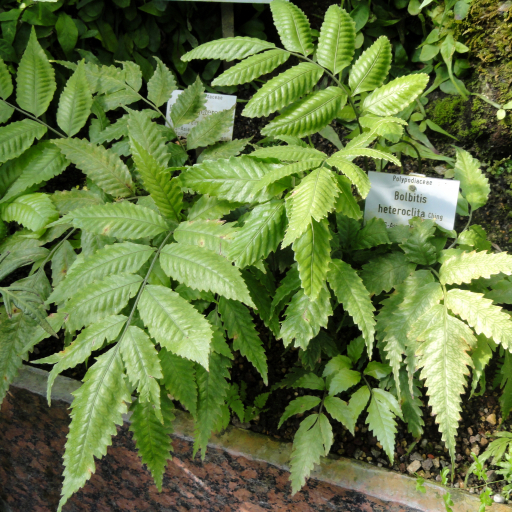
Known as the Asian Water Fern or Javanese Fern, this elegant greenery is a staple in the worlds of aquascaping and terrariums. Native to the humid tropical forests of Southeast Asia, it is often found clinging to wet rocks near waterfalls or along the banks of shaded streams. It is a "living fossil" that brings an ancient, woodland aesthetic to any indoor miniature ecosystem.
🔍 How to Identify
- 🍃 Frond Shape: Features deep, bottle-green leaves that are lance-shaped with delicately lobed or serrated edges, giving it a slightly "wild" or ragged look.
- 📏 The Rhizome: Unlike traditional houseplants, it grows from a thick, horizontal creeping stem called a rhizome, which acts as the plant's anchor and nutrient storage.
- ✨ Texture: When grown underwater, the leaves can appear somewhat translucent; when grown on land in high humidity, they become tougher and more leathery.
🏡 In Your Terrarium or Aquarium
- 🪨 The Golden Rule: Never bury the rhizome in soil or substrate. If the thick base is covered, the plant will suffocate and rot. Instead, use thread or specialized glue to attach it to a piece of driftwood or a lava rock.
- 💧 Adaptable Nature: This plant is a true "amphibian." It is perfectly happy fully submerged in a fish tank or living "emersed" in the high-humidity environment of a closed glass terrarium.
- 🐢 Slow and Steady: It is a notoriously slow grower. You won’t see rapid expansion, which actually makes it ideal for small setups where you don't want a plant to take over the entire space.
⚠️ Safety & Toxicity
- ✅ Safe Status: Bolbitis heteroclita is generally considered non-toxic and safe for homes with pets and children.
- 🐟 Aquatic Harmony: It is completely safe for aquarium inhabitants like shrimp and sensitive fish, providing them with excellent hiding spots without leaching any harmful substances into the water.
✨ Fun Fact
🎭 The Master of Disguise: This fern exhibits "phenotypic plasticity," which is a fancy way of saying it can completely change its leaf shape and size based on its environment. An Asian Water Fern grown on a damp log will look like a totally different species than one grown at the bottom of a lake!

Detailed Care Instructions
To grow Bolbitis heteroclita (also known as water fern) successfully, follow these steps:
- Select a suitable environment: Bolbitis heteroclita thrives in aquariums, paludariums, or terrariums. Choose an area that provides low to moderate lighting, as excessive light can lead to the growth of algae on the plant's leaves.
- Provide the right temperature and water conditions: Bolbitis heteroclita prefers water temperatures between 72-82°F (22-28°C) and a pH range of 6.0-7.5. Maintaining a stable temperature and water chemistry is important for its growth.
- Place the plant correctly: Bolbitis heteroclita is typically attached to rocks, driftwood, or other decorations in the tank. Use cotton thread or fishing line to secure the rhizome (horizontal stem) of the plant to the desired object. Avoid burying the rhizome, as it may rot.
- Ensure proper water circulation: Bolbitis heteroclita appreciates moderate water movement, as stagnant water can encourage the growth of algae. Use a filter or aquarium pump to maintain good water circulation.
- Provide nutrient-rich water: Bolbitis heteroclita benefits from nutrient supplementation. Use liquid aquarium fertilizers or root tabs to provide essential nutrients such as iron, potassium, and micronutrients.
- Maintain proper lighting: Bolbitis heteroclita prefers low to moderate lighting conditions. Use fluorescent or LED lights with adjustable intensity to ensure the proper light spectrum for growth.
- Prune and clean: Regularly trim any yellowing or decaying leaves to maintain the plant's health. Gently clean the leaves with a soft brush or sponge to remove any accumulated debris or algae.
- Be patient: Bolbitis heteroclita is a slow-growing plant, so be prepared for gradual growth. It might take some time for the plant to adjust and propagate in its new environment.
Remember to monitor the water parameters regularly and make adjustments as necessary to provide the best conditions for the Bolbitis heteroclita plant's growth.

Place in a bright room that is sun drenched almost all day. Or directly in a south-facing window.
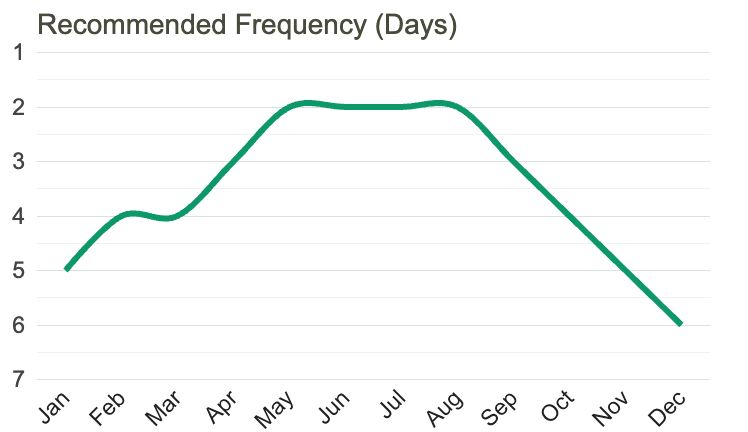
Bolbitis heteroclita is a type of aquatic plant that originates from Southeast Asia. It is a fern-like plant that is commonly used in aquariums or as a water plant in terrariums. To ensure proper growth and health, here are some detailed instructions on how to water this plant effectively:
1. Placement and environment: Place the Bolbitis heteroclita plant in an area of the aquarium or terrarium where it can receive indirect or filtered light. Avoid exposing it to direct sunlight as it may cause damage to the leaves. Additionally, maintain a stable temperature range of around 70-80°F (21-27°C).
2. Substrate and anchoring: It is important to anchor the Bolbitis heteroclita plant securely to prevent it from floating or being uprooted. To do this, ensure the substrate is suitable for rooting, such as a sandy or gravelly substrate. Attach the plant to a rock, driftwood, or other types of aquarium decorations using a fishing line or plant-safe glue until its roots have taken hold.
3. Water conditions: Bolbitis heteroclita plants thrive in slightly acidic to neutral conditions with a pH level of around 6.0-7.5. Regularly monitor the water parameters using a reliable testing kit and make necessary adjustments to maintain these ideal conditions. Additionally, ensure that the water is clean and properly filtered to prevent the accumulation of toxins or impurities.
4. Watering frequency: Bolbitis heteroclita plants primarily obtain nutrients and moisture through their roots. Watering should be done regularly to keep the substrate moist but not excessively wet or waterlogged. Overwatering can lead to root rot and other detrimental conditions. Aim for a balance, allowing the substrate to dry out slightly before the next watering session.
5. Watering technique: When watering Bolbitis heteroclita, it is advisable to use a gentle and fine spray or a watering can with a narrow spout. This helps to simulate the natural conditions of water flow found in its native habitat. Direct the water carefully onto the substrate, aiming to moisten the roots without disturbing the foliage excessively.
6. Water quality: In addition to regular watering, it is crucial to ensure the quality of the water used. Chlorinated tap water should be treated with a dechlorinating agent to remove harmful chemicals before watering the plant. Alternatively, some aquarists prefer using distilled or RO (reverse osmosis) water, which has a lower mineral content, to prevent any potential nutrient imbalances.
Remember that the care requirements may vary slightly depending on specific circumstances, such as the size of the aquarium or the specific setup of the terrarium. It is always beneficial to consult with experienced aquatic plant keepers or refer to reliable sources before adjusting your watering routine for Bolbitis heteroclita or any other aquatic plant.
To fertilize Bolbitis Heteroclita plant, use a well-balanced liquid fertilizer specifically formulated for aquatic plants. Dilute the fertilizer according to the manufacturer's instructions.
Before applying the fertilizer, ensure that the water parameters such as pH, hardness, and temperature are suitable for the plant's growth.
Start by gently removing any algae or debris from the leaves of the plant.
Next, pour the diluted fertilizer directly into the aquarium water, preferably near the plant's roots.
It's important not to exceed the recommended dosage, as overfertilization can harm the plant and have negative effects on the overall aquarium ecosystem.
Monitor the plant's health and growth after fertilization, making adjustments to the fertilizer dosage or frequency if necessary. Regular water changes can also help maintain a healthy environment for the plant.
Bolbitis heteroclita is a plant that grows well when provided with the appropriate soil conditions. When choosing soil for this plant, it is essential to consider its native habitat and replicate those conditions as closely as possible. This species is predominantly found growing on rocky substrates or attached to tree roots in its natural environment. Therefore, it prefers a substrate that mimics these conditions.
The ideal soil for Bolbitis heteroclita is typically a combination of fine-grained, well-draining material such as sand or clayey loam. This type of soil helps to retain moisture while allowing excess water to drain away, preventing the roots from becoming waterlogged, which can lead to rotting.
Additionally, since Bolbitis heteroclita is an epiphytic fern, meaning it typically grows attached to other surfaces, it benefits from a substrate containing organic matter such as leaf litter or peat moss. These materials provide necessary nutrients and moisture retention capabilities while mimicking the plant's natural habitat.
To create a suitable soil mix for Bolbitis heteroclita, you can consider combining equal parts of clayey loam, sand, and organic matter. This mixture will provide the necessary stability, drainage, and nutrient content required for the fern to thrive. It's essential to ensure that the soil is adequately moist but not oversaturated.
Remember that maintaining a consistent moisture level is crucial for Bolbitis heteroclita, as it prefers a slightly damp environment. Therefore, periodic watering and monitoring of soil moisture levels are vital to avoid underwatering or overwatering, as these conditions can negatively affect the plant's growth and overall health.
To propagate Bolbitis Heteroclita plants, you can follow these steps:
- Obtain a healthy mother plant: Look for a mature Bolbitis Heteroclita plant that is disease-free and has sufficient growth. This will serve as the mother plant for propagating new individuals.
- Prepare the tools: Get all the necessary tools ready, including a clean pair of pruning shears or scissors, sterile potting soil, and small pots or containers for planting.
- Select suitable plantlets: Look for small plantlets or side shoots growing near the base of the mother plant. These are the portions that can be separated and grown into new plants.
- Cut and separate the plantlets: Carefully use the pruning shears or scissors to cut the chosen plantlets away from the mother plant. Make sure each plantlet has its own set of rhizomes and roots.
- Prepare the pots and soil: Fill the small pots or containers with a well-draining potting soil mix. Moisten the soil slightly, but avoid excessive water.
- Plant the cuttings: Gently press each plantlet into the soil, ensuring that its rhizome is partially covered while the leaves remain above the surface. Position them at appropriate intervals in the pots.
- Provide appropriate environmental conditions: Place the pots in a location with indirect light and a stable temperature. Bolbitis Heteroclita prefers temperatures between 68-82°F (20-28°C). Avoid exposing the plantlets to direct sunlight or extreme temperature variations.
- Maintain proper humidity: To promote healthy growth, maintain high humidity levels around the plantlets. You can cover the pots with a clear plastic bag or create a mini greenhouse effect by using a humidity tray or misting the plantlets regularly.
- Water carefully: Keep the soil slightly moist but not soggy. Overwatering can lead to root rot, while underwatering may cause the plantlets to wither. Find the right balance and adjust watering accordingly.
- Monitor and care for the plantlets: Regularly inspect the plantlets for any signs of pests, diseases, or nutrient deficiencies. Remove any dead or decaying parts promptly. If needed, supplement their growth with a balanced liquid fertilizer diluted according to the manufacturer's instructions.
By following these steps, you can successfully propagate Bolbitis Heteroclita plants and enjoy cultivating new individuals of this beautiful aquatic plant species.








