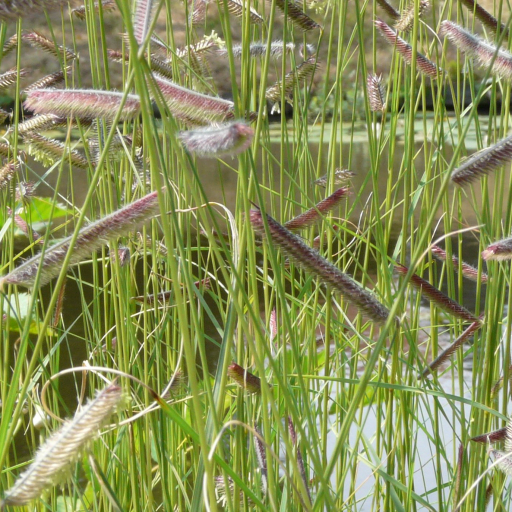
Plant Overview
Commonly known as Needle Grama or Six-weeks Needle Grama, this feisty little grass is a desert opportunist. It waits patiently in the parched soil for the first heavy summer monsoon before exploding into life. It is a "blink-and-you’ll-miss-it" plant that can sprout, flower, and drop seeds in just over a month, making it a master of survival in the arid Southwest.
🔍 How to Identify
- 🌾 Growth Habit: A delicate, slender annual grass that grows in small, sparse tufts, usually reaching between 6 to 15 inches in height.
- 🍂 Seed Spikes: The defining feature; the flower stalks hold several small branches that carry sharp, needle-like bristles (awns) which point downward or outward.
- 🍃 Foliage: The leaves are very narrow, short, and often sparse, frequently curling or turning a straw-colored gold as soon as the soil dries out.
🏡 In Your Garden
- 🏜️ Xeriscape Specialist: This grass is perfect for "wild" desert gardens or naturalized meadows. It requires almost zero maintenance once established, as it thrives on the natural cycle of dry spells followed by heavy rain.
- 🌱 Self-Seeding Nature: Because it is a short-lived annual, it doesn't "live" long in the traditional sense. Instead, it ensures its legacy by dropping a massive amount of seeds that will lie dormant until the next rainy season.
⚠️ Safety & Toxicity
- 🩹 Mechanical Irritant: Needle Grama is not chemically toxic to humans or animals, but its namesake "needles" are sharp and designed to hitchhike.
- 🐾 Pet Caution: The sharp awns can easily become lodged in a dog's fur, ears, or between their toes. In rare cases, they can cause "foxtail-like" irritation, so it is best to keep pets away from the dry seed heads.
✨ Fun Fact
🌵 The Desert's Quickest Sprinter: The "Six-weeks" in its common name is literal; under the right conditions, this plant can complete its entire lifecycle—from germination to seed production—in as little as 30 to 45 days!

Detailed Care Instructions
To grow Bouteloua aristidoides, also known as needle grama grass, you can follow these steps:
- Choose the right location: Needle grama grass thrives in full sun locations with well-draining soil. Ensure the area has good air circulation.
- Prepare the soil: Before planting, enrich the soil with organic matter, such as compost, to improve its fertility and drainage.
- Plant seeds or plugs: You can sow needle grama grass seeds directly into the prepared soil in early spring or early fall. Alternatively, you can purchase plug plants from a nursery and transplant them into the soil.
- Water properly: After planting, water the newly sown seeds or transplanted plugs thoroughly. Keep the soil moist until the grass becomes established.
- Maintain regular watering: Needle grama grass requires regular watering during the growing season, especially during dry periods. Water deeply and ensure the soil is evenly moist but not waterlogged.
- Mulch the area: Apply a thin layer of mulch around the plants to help retain moisture, suppress weeds, and protect the root system.
- Pruning and maintenance: Needle grama grass generally requires minimal maintenance. However, you can trim back the plant in late winter before new growth begins to remove dead or damaged stems.
- Fertilize sparingly: Native grasses generally do not require heavy fertilization. If needed, you can apply a slow-release, low-nitrogen fertilizer in early spring or fall, following the product's instructions.
- Monitor for pests and diseases: Needle grama grass is relatively resistant to pests and diseases. However, you should periodically inspect the plants for any signs of damage or issues.
By following these steps, you can successfully grow Bouteloua aristidoides in your garden or landscape. Remember to provide adequate care and maintenance to ensure the healthy growth of the plant.

Place in a bright room that is sun drenched almost all day. Or directly in a south-facing window.

If you have recently planted the grass in your garden or lawn, the first step is to monitor its moisture requirements and watering needs. The Bouteloua Aristidoides grass will need water regularly to establish its roots and grow in size.
Here are a few tips for watering your Bouteloua Aristidoides grass plant:
1. Check the soil moisture
Before watering your grass, make sure to check the soil moisture. Insert a finger into the soil to see if the top two inches of soil are dry. If the soil feels moist, delay watering. But if it feels dry, it's time to water.
2. Water deeply
When watering the grass, make sure to apply water deeply. This will help the grass develop a deep root system to withstand drought conditions. Water the grass slowly to allow time for the soil to absorb the moisture.
3. Water early morning or late afternoon
It’s advisable to water your Bouteloua Aristidoides grass early in the morning or late in the afternoon. This is because the temperature is cooler, and the water will not immediately evaporate from the soil.
4. Don't overwater
Avoid overwatering the grass, as it can lead to fungal diseases and root rot. Water the grass only when it needs it and adjust the watering schedule based on the weather conditions.
5. Mulching
Mulching is an important step to ensure that the soil retains moisture. You can add a layer of organic mulch around the grass, which will help conserve water and regulate the soil temperature.
By following these simple watering tips, you can ensure that your Bouteloua Aristidoides grass plant remains healthy and vibrant.
For best results with this plant, apply a slow-release, balanced fertilizer in early spring before the growing season begins. Use a low-nitrogen fertilizer, as high nitrogen can promote leafy growth rather than flower or seed production. For established plants, fertilize once a year in early spring. Avoid fertilizing in late summer or fall, as this can stimulate new growth that will not harden off before winter and may lead to damage. Always follow package instructions and water well after fertilizing.
The optimal soil for this plant should have good drainage and a slightly acidic pH level. A mixture of sand, loam, and well-rotted organic matter is recommended, with a pH level of around 5.5 to 6.5. Avoid heavy clay soils or those with poor drainage, as they can lead to root rot and other issues. Regular watering is necessary to keep the soil moist but not waterlogged. The plant should also be fertilized with a balanced fertilizer once a year to promote healthy growth and blooming.
To propagate this plant, separate the rhizomes from the mother plant using a sharp knife or garden fork. Choose mature, healthy rhizomes with a strong root system. Trim off any dead or damaged roots and cut the rhizomes into sections, ensuring that each section has a few healthy roots and a small shoot. Plant the sections in a pot or in a prepared garden bed with well-draining soil. Water regularly and keep the new plant in a shaded area for a few weeks until it establishes itself. Once it has grown for a few months, it can be transplanted to its permanent location in full sun.








