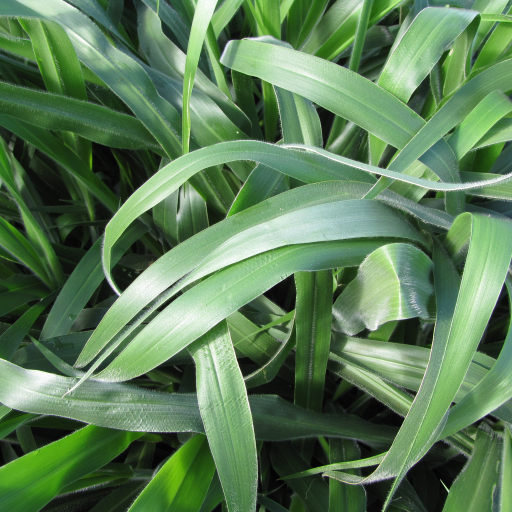
Plant Overview
Known as Palisade Grass or Signal Grass, this hardy African native has become a global superstar of the tropics and subtropics. While it might look like a simple field grass, it is a survivalist champion, thriving in poor soils where other plants often wither. Whether it’s stabilizing a hillside or providing lush grazing for livestock, this grass is a true workhorse of the green world.
🔍 How to Identify
- 📏 Growth Habit: A robust, tufted perennial grass that grows in thick clumps, reaching heights of up to 6.5 feet (2 meters) if left unmowed.
- 🍃 The Leaves: Long, sword-shaped blades with a vibrant green hue. If you look closely, you’ll notice tiny, soft hairs along the edges and surface, giving them a slightly velvety texture.
- 📡 The "Signal" Flowers: The name "Signal Grass" comes from the unique seed heads. The flower spikes branch off the main stem at sharp angles, resembling old-fashioned railway signals or flags.
🏡 In Your Garden
- 🌱 Erosion Expert: Because of its incredibly deep and vigorous root system, it is often used as a "living anchor" for slopes and embankments to prevent soil from washing away during heavy rains.
- 🌞 Drought Warrior: This plant is built for the heat. It prefers full sun and is remarkably "set and forget" once established, as its roots can tap into deep water reserves that other grasses can't reach.
⚠️ Safety & Toxicity
- ✅ General Status: Non-toxic and safe for most environments.
- 🐾 Pet & Livestock Safety: It is generally safe for dogs and cats. However, for livestock owners, it’s worth noting that some varieties can cause "photosensitization" (a skin sensitivity to sunlight) in specific breeds of sheep or young cattle if it is their exclusive food source.
- 🌾 Allergy Note: Like many ornamental or pasture grasses, its wind-blown pollen can be a minor trigger for hay fever sufferers during its peak flowering season.
✨ Fun Fact
- 🧬 The Master Cloner: Brachiaria brizantha has a fascinating biological trick; it often produces seeds without the need for fertilization (a process called apomixis). This means the seeds grow into exact genetic clones of the mother plant!

Detailed Care Instructions








