Plant Overview
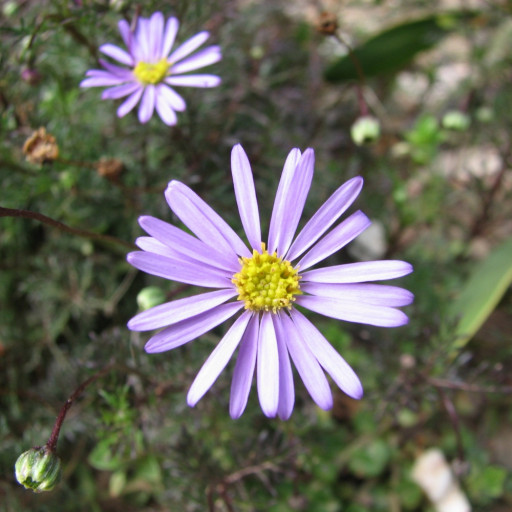
The Cut-leaf Daisy, often called the "Hawkesbury Daisy," is a resilient Australian native that creates a stunning "carpet of stars" in any landscape. Known for its delicate, lacy foliage and prolific blooms, it is a favorite for those seeking a wildflower aesthetic without the high maintenance. Whether cascading over a stone wall or filling a hanging basket, this tough little perennial brings a cheerful, cottage-garden charm to the driest of settings.
🔍 How to Identify
- 🌿 The Foliage: Unlike many daisies with solid leaves, this plant features "multifid" (many-cleft) leaves that look feathery or fern-like, giving the plant a soft, airy texture.
- 🌸 The Bloom: Small, daisy-like flowers usually appear in shades of mauve, purple, or pink, though white varieties exist. Each flower features a bright, sunny yellow center.
- 📏 Growth Habit: It grows in a low, mounding cushion shape, typically staying under 15 inches tall but spreading wide to form a dense groundcover.
🏡 In Your Garden
- ☀️ Sun & Resilience: This plant is a sun-worshipper. While it can handle light shade, it produces the most flowers in full sun. It is incredibly drought-tolerant once established, making it perfect for rock gardens or "forgotten" corners.
- ✂️ The Pruning Trick: To prevent the plant from becoming "leggy" or woody in the center, give it a light haircut (pruning back about one-third) after a heavy flush of flowers. This encourages a fresh burst of green growth and more buds.
- 💧 Drainage is Key: While it isn't picky about soil quality, it absolutely hates "soggy feet." Ensure your soil or potting mix drains quickly to prevent root issues.
⚠️ Safety & Toxicity
- ✅ Status: Generally considered non-toxic and safe.
- 🐾 Family Friendly: There are no known toxic effects for cats, dogs, or horses. It is a very safe choice for gardens where curious pets and toddlers roam. However, as with any plant, ingestion should be discouraged to avoid mild stomach upset.
✨ Fun Fact
The Cut-leaf Daisy is a massive hit with local biodiversity; it is a primary nectar source for native Australian stingless bees and various small butterfly species, making it a "must-have" for a pollinator-friendly garden.

Detailed Care Instructions
| Humidity | Dry |
| Lighting | Full Sun |
| Difficulty | Easy |
| Hibernation | Cold Period |
| Temperature | Min 21°C |
| Hardiness Zones | 9 - 11 |
To grow Brachyscome Multifida (also known as the cut-leaf daisy or rock daisy), follow these steps:
- Choose the right location: Brachyscome Multifida prefers full sun but can tolerate partial shade. Ensure that the location you choose receives at least 6-8 hours of direct sunlight per day.
- Prepare the soil: The plant can adapt to various soil types but prefers well-draining soil. If your soil is heavy clay, mix it with compost or sand to improve drainage.
- Planting: Sow the seeds directly into the ground or start them indoors. If starting indoors, sow the seeds in seed trays or pots filled with seed compost. Lightly cover the seeds with a thin layer of soil and keep them moist.
- Transplanting: If starting indoors, transplant the seedlings once they're around 4-6 weeks old and the threat of frost has passed. Space the plants about 8-12 inches apart to allow for proper growth.
- Watering: Keep the soil consistently moist but not waterlogged. Brachyscome Multifida prefers moderate watering rather than being overly saturated or completely dry. Water the plants at the base to avoid wetting the foliage, which can lead to diseases.
- Fertilizing: Apply a balanced, slow-release fertilizer according to the package instructions when planting. This will provide a steady supply of nutrients throughout the growing season. Alternatively, you can use a liquid fertilizer every 4-6 weeks during the growing season.
- Mulching: Apply a layer of mulch around the plants to help retain moisture, suppress weed growth, and regulate soil temperature.
- Pruning: To promote bushier growth and more abundant flowering, pinch back or cut off the tips of the stems. This will encourage lateral branching and more flower production. You can perform light pruning throughout the growing season.
- Pests and diseases: Brachyscome Multifida is generally resistant to pests and diseases, but occasional issues may arise. Keep an eye out for common pests like aphids or spider mites and treat them accordingly with organic or chemical controls if necessary.
- Harvesting: Brachyscome Multifida produces beautiful daisy-like flowers. You can cut the flowers for bouquets or deadhead (remove spent flowers) to encourage continuous blooming.
With proper care, Brachyscome Multifida should thrive and provide colorful blooms throughout the growing season.

Place in a bright room that is sun drenched almost all day. Or directly in a south-facing window.

To care for this plant's watering needs, you need to consider its environmental conditions such as the temperature, humidity, and soil moisture. Additionally, consider the plant's growth stage, size, and location, so you can provide the necessary amount of water without overwatering or underwatering the plant.
The best way to water this plant is to use a watering can with a fine nozzle, or a hose with a sprinkler attachment. When watering, make sure that you target the base of the plant, avoiding the leaves or flowers, to minimize the risk of fungal diseases.
Watering frequency will depend on the season and the plant's location. During dry and warm temperatures, the plant may require watering more frequently, but in colder temperatures or if the plant is in a shaded area, it may require less water.
After watering, ensure that you allow the soil to dry out slightly before watering it again. Overwatering can lead to root rot and other fungal diseases, which can harm the plant's growth and overall health.
In summary, water this plant using a watering can or hose with a sprinkler attachment, watering at the base of the plant and avoiding the leaves and flowers. Adjust the frequency of watering to suit the environmental conditions and the plant's stage of growth. Finally, ensure that the soil dries out slightly between watering sessions to avoid overwatering.
To fertilize this plant, you can apply a balanced, water-soluble fertilizer every two weeks during the growing season. Be sure to follow the manufacturer's instructions for dosage and application. Alternatively, you can apply a slow-release fertilizer, such as a granular or pelleted type, according to the package instructions. Avoid over-fertilizing, as this can lead to excessive growth and reduced flower production.
For optimal growth, it is recommended to use well-draining soil with a neutral to slightly acidic pH level. The soil should be rich in organic matter and have good aeration to ensure proper root development. Adding some sand or perlite can also improve drainage. It is important not to overwater the plant, as excessive moisture can lead to root rot. Fertilizing with a balanced fertilizer once a month during the growing season can also promote healthy growth and flowering.
Brachyscome Multifida is a beautiful plant that can easily be propagated through several methods. The following are some of the ways to propagate this plant:
- Seed propagation: Brachyscome Multifida can be propagated through seeds. Sow the seeds in a cultivating medium in spring or summer, keep them moist, and place them in a warm, well-lit area. Germination usually takes about two to three weeks.
- Stem cuttings: Take cuttings from Brachyscome Multifida during the summer season. Ensure you take cuttings from new growth. Dip the base of the cutting in rooting hormone and plant it in a potting mix. Keep it moist but not waterlogged and place it in a warm and well-lit area. The cuttings will begin to root in a few weeks.
- Division: If your Brachyscome Multifida is growing in a clump, you can divide it. Carefully dig up the clump and separate the individual plants, ensuring that each division has a good root system. Replant the individual plants in a suitable growing medium and water well.
Overall, Brachyscome Multifida is an easy plant to propagate through various methods, and with good care, they will thrive and flower beautifully.
Common pests of the cut-leaf daisy include Spider mites, aphids, larvae. Make a habit of checking your cut-leaf daisy frequently for pests so that any infestations can be caught and managed early.








