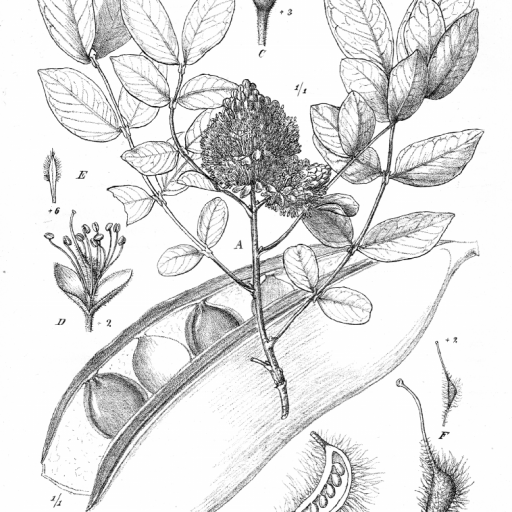
Plant Overview
Often called the Msasa or Zebrawood, Brachystegia spiciformis is the soul of the African Miombo woodlands. It is most famous for its "false autumn"—a breathtaking display where new spring leaves emerge in vibrant shades of burgundy, rose, and gold, mimicking the colors of fall in the northern hemisphere. This tree doesn't just provide shade; it creates an entire landscape of shifting, fiery colors that signal the change of seasons.
🔍 How to Identify
- 🍂 Spring Foliage: The most distinctive feature is the flush of new growth; young leaves are soft and range from bright red to bronze before maturing into a deep, glossy green.
- 🍃 Asymmetric Leaflets: The leaves are pinnate (feather-like), but if you look closely at a single leaflet, the base is lopsided or "asymmetrical," a classic trait of the Brachystegia genus.
- 🪵 Exploding Pods: The tree produces flat, woody, velvet-textured seed pods that, when dry, split open with a distinctive loud "crack" to catapult seeds away from the mother tree.
🏡 In Your Garden
- 🌳 The Taproot Challenge: Like many savanna giants, the Msasa develops a deep, aggressive taproot very early in its life. This makes it extremely difficult to transplant once it has been in the ground for more than a year, so choose its permanent "forever home" carefully.
- ☀️ Sun & Space: This is not a plant for small containers or indoor life. It craves full sun and plenty of room for its wide-reaching canopy to spread. It is exceptionally drought-tolerant once established, making it a "set and forget" tree for large landscapes.
⚠️ Safety & Toxicity
- ✅ Low Risk: Brachystegia spiciformis is generally considered non-toxic to humans, dogs, and cats.
- 🦶 Physical Hazards: The woody pods are very hard and can be quite sharp when they shatter; keep an eye on curious pets or barefoot children wandering under the canopy during the dry season when the pods are "popping."
✨ Fun Fact
The Msasa is a vital "host" tree in the wild. It has a specialized relationship with certain types of fungi (ectomycorrhizae) in the soil that help it absorb nutrients, and it is the primary food source for the spectacular, giant larvae of the African Emperor Moth!

Detailed Care Instructions
To grow Brachystegia spiciformis, also known as the African teak tree, you can follow these steps:
- Seed collection: Find mature seeds from the brachystegia spiciformis tree. Look for seeds that appear dark and fully formed. Collect the seeds from the ground around the tree, as they naturally fall when mature.
- Seed preparation: Soak the seeds in water for 24 hours to soften their hard seed coat. This will help with germination.
- Planting medium: Prepare a well-draining potting mix using equal parts of compost, sand, and peat moss. Fill a seed tray or pots with this mixture.
- Sowing seeds: Place the soaked seeds on the soil surface and lightly press them down. Cover with a thin layer of soil or perlite.
- Germination: Keep the soil consistently moist but not waterlogged. Place the planted seeds in a warm location with ample indirect sunlight. The ideal temperature range for germination is between 20-25°C (68-77°F).
- Watering and care: Water the seeds regularly, ensuring the soil stays damp but not soggy. Once the seedlings emerge, reduce the frequency of watering but maintain moist soil. Provide indirect sunlight for around 6-8 hours a day.
- Transplantation: When the seedlings are around 6-8 inches tall and have developed several true leaves, they can be transplanted into individual pots or containers filled with well-draining soil. Choose a container with drainage holes to prevent waterlogging.
- Light and temperature: Brachystegia spiciformis prefers full sun to partial shade. As the tree matures, it can tolerate full sun. Maintain a temperature range between 20-28°C (68-82°F).
- Fertilizing: Apply a balanced slow-release fertilizer or organic compost once or twice a year during the growing season.
- Pruning: As the tree grows, remove any dead, damaged, or diseased branches to promote healthy growth.
- Protection: Protect young plants from extreme temperatures, frost, or strong winds.
- Patience: African teak trees are slow-growing, so be patient with their growth rate. It may take several years for them to reach a substantial height.
Remember to check with your local agricultural extension office or nursery for specific advice and information about growing Brachystegia spiciformis in your region, as specific conditions can vary.
Brachystegia Spiciformis plant should be watered carefully. One should use a watering can or watering hose with a gentle spray to avoid overwatering or washing away the soil. The best time to water the plant is early morning or late afternoon to prevent water evaporation in the hot sun. It's important to let the soil dry out moderately before watering again to avoid root rot. To ensure that the water is reaching the roots, one should water the plant until water starts to drain out of the pot's drainage holes. Also, avoid watering the plant's leaves to reduce the risk of fungal disease.
To fertilize this plant, apply a slow-release fertiliser once in the growing season during early spring. You can use a balanced fertiliser such as a 10-10-10 or 14-14-14 depending on the soil profile. Additionally, you can also apply organic fertilisers such as compost or manure to improve soil health. It is important to apply the fertiliser evenly over the root zone and water thoroughly afterwards to encourage nutrient uptake. Avoid over-fertilization as it may cause burning or damage to the plant.
The soil that is best to use with this particular plant is a mixture of sandy loam and organic compost. The soil should be well-draining and allow for proper aeration of the roots. It is important to ensure that the soil pH is within the appropriate range for this plant to thrive, which is slightly acidic to neutral. Additionally, it is recommended to add a slow-release fertilizer to the soil to provide essential nutrients for the plant's growth and health.
To propagate this plant, you will need to collect the seeds from the matured pods of the parent plant. After collecting the seeds, remove any debris or impurities by placing them in a strainer and running water over them.
Next, soak the seeds in water overnight to soften the outer layer for better germination. You can also rub the seeds gently with sandpaper to weaken the coating.
Prepare a mixture of equal parts of sand and potting soil and fill a tray or small pot with the mixture. Make a small depression in the soil and place the seed inside, covering it with a light layer of soil.
Water the soil lightly, taking care not to wash away the seed. Place the tray or pot in a warm, sunny spot and keep the soil consistently moist.
Germination typically occurs within 2-4 weeks, after which you can transplant the seedlings into individual pots to grow until they are mature enough to be planted in the ground.








