Plant Overview
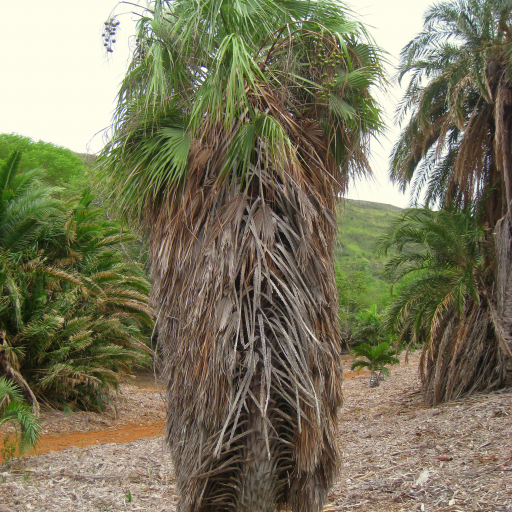
Known affectionately as the Sinaloa Hesper Palm, Brahea aculeata is a shimmering desert jewel native to the rugged canyons of Western Mexico. This palm is the "slow and steady" winner of the garden world, growing with a deliberate grace that makes it a perfect specimen for those who appreciate architectural beauty. It is often celebrated for its "shimmering" effect, as its stiff leaves catch the light and dance with a distinct silvery-blue hue.
🔍 How to Identify
- 🍃 Leaf Shape: It features classic fan-shaped (palmate) leaves that are deeply divided into stiff, pointed segments, often looking like a hand-held fan frozen in mid-spread.
- 🪝 Armed Petioles: The leaf stems (petioles) are lined with small, sharp, tooth-like spines, which gives the plant its name (aculeata means "prickly" in Latin).
- 👗 The "Petticoat": Unless pruned, this palm likes to keep its old, dried leaves, which hang down against the trunk to form a thick, protective brown "skirt" or "petticoat."
🏡 In Your Garden
- 🏜️ Desert Resilience: Because it originates from dry Mexican canyons, it is incredibly drought-tolerant. It is a "set it and forget it" plant for xeriscaping, though it appreciates occasional deep watering during the hottest months to keep its color vibrant.
- 🧱 Root Sensitivity: This palm hates having its "toes" touched. It is notorious for being sensitive to transplanting, so it is best to choose a permanent "forever home" for it in your garden to avoid stressing the delicate root system.
- ☀️ Sun Seeker: To achieve that iconic silvery-blue coloration, the plant needs plenty of direct sunlight. In deep shade, it may turn a more generic green and lose its structural stiffness.
⚠️ Safety & Toxicity
- 🟢 Status: Non-toxic but physically defensive.
- ⚔️ Physical Hazard: While the plant is not poisonous to pets or children if ingested, the spines along the leaf stems are very sharp. Always wear thick gardening gloves when pruning or walking near the base of the plant to avoid painful scratches.
✨ Fun Fact
The Brahea aculeata is one of the hardiest of the "blue" palms. It can survive temperatures as low as 20°F (-6°C), making it a favorite for gardeners in cooler temperate zones who want to achieve a tropical, Mediterranean look without the fear of a light frost killing their prize specimen!

Detailed Care Instructions
Growing a Brahea aculeata, a type of palm tree native to northern Mexico, requires specific conditions to thrive. Here are steps to help you grow this beautiful plant:
1. Acquire Seeds or a Young Plant:
- Seeds: Purchase from a reputable nursery or online. Fresh seeds have a better germination rate.
- Young Plant: If available, buying a young plant can be easier than germinating seeds.
2. Seed Preparation:
- Clean Seeds: Remove any remaining fruit flesh.
- Soak Seeds: Soak seeds in warm water for 48 hours to soften the outer coating.
- Scarification: Lightly sandpaper the seed coat to help with water absorption (optional but can aid germination).
3. Germination:
- Soil Mix: Use a well-draining potting mix, such as a mix of sand and compost.
- Planting Depth: Plant seeds about 1 inch deep.
- Temperature: Maintain a warm temperature (around 25-30°C or 77-86°F) for optimum germination.
- Humidity: Keep the soil moist but not waterlogged. Covering the pot with plastic wrap can help retain humidity.
- Light: Provide bright, indirect light.
4. Transplanting:
- Once seedlings have developed a few leaves, they can be transplanted into individual pots.
- Use a well-draining soil mix and a deep pot to accommodate the long tap root.
- Handle the roots gently to avoid damage.
5. Location:
- Choose a spot with full sun to partial shade.
- In cold climates, it's best to grow Brahea aculeata in a pot to bring indoors during winter as they are frost-sensitive.
6. Soil:
- Prefers well-drained soil. Sandy or loamy soils are ideal.
7. Watering:
- Water regularly but allow the soil to dry out between waterings.
- Established plants are relatively drought-tolerant but will grow faster with regular watering.
8. Fertilizing:
- Use a balanced, slow-release palm fertilizer during the growing season (spring and summer).
- Reduce feeding in the fall and cease in winter.
9. Pruning:
- Remove dead or damaged fronds to maintain appearance.
- Be cautious not to damage the growth points.
10. Protection:
- In colder regions, protect the plant from frost by covering it or moving it indoors.
- Use mulch around the base to protect roots during colder periods.
11. Pests and Diseases:
- Generally, Brahea aculeata is pest-resistant but watch out for common palm pests like scale and spider mites.
- Treat infestations promptly with appropriate insecticides or horticultural oils.
12. Maturation:
- These palms grow slowly and can take several years to reach a notable size.
- With proper care, they can become a striking focal point in your garden or landscape.
By following these steps and providing the necessary care, you can successfully grow a Brahea aculeata and enjoy its unique aesthetic.

Place in a bright room that is sun drenched almost all day. Or directly in a south-facing window.

Watering the **Brahea aculeata** requires a specific approach to ensure it thrives. This type of palm is adapted to dry and arid conditions, so careful attention is necessary to avoid overwatering. Here are detailed steps on how to water this plant:
1. **Watering Frequency:**
- **Young Plants:** Water young specimens more frequently to help establish a deep root system. Typically, this can mean watering every week during the growing season (spring and summer).
- **Mature Plants:** Once established, these plants are quite drought-tolerant, so reduce the frequency to once every two to three weeks during the growing season. In winter, when growth slows, water sparingly.
2. **Amount of Water:**
- Ensure the water penetrates deeply to reach the roots. Deep watering encourages the development of a strong root system.
- Avoid shallow watering, which can result in weak roots and make the plant more susceptible to drought.
3. **Soil and Drainage:**
- The soil should be well-draining to prevent water from sitting around the roots, which can cause root rot.
- If the soil retains too much moisture, consider amending it with sand or gravel to improve drainage.
4. **Watering Technique:**
- Water slowly and deeply, allowing the soil to absorb the moisture rather than it running off the surface.
- A drip irrigation system can be effective for providing slow, steady watering.
5. **Monitoring:**
- Check the soil moisture by inserting your finger about two inches into the soil. If it feels dry at that depth, it’s time to water.
- Adjust watering based on weather conditions. During hot, dry spells, you may need to water more frequently, while during periods of rain, reduce watering accordingly.
6. **Container Plants:**
- If the plant is growing in a container, ensure the pot has drainage holes to allow excess water to escape.
- Containers may require more frequent watering compared to plants in the ground, as they dry out faster.
By following these guidelines, you can effectively manage the water needs of **Brahea aculeata**, ensuring it remains healthy and thrives in your garden or landscape.
Here are the fertilizing instructions for Brahea aculeata:
- Timing: Fertilize the plant during its growing season, which is typically in spring and summer. Avoid fertilizing during the fall and winter when the plant's growth naturally slows down.
- Type of Fertilizer: Use a balanced, slow-release granular fertilizer with a ratio such as 10-10-10 (Nitrogen-Phosphorus-Potassium). You may also consider using a fertilizer formulated specifically for palms, which often contains the necessary micronutrients.
- Application: Apply the fertilizer evenly around the base of the plant, avoiding direct contact with the trunk to prevent potential burn or damage. Water the area thoroughly after applying the fertilizer to help the nutrients penetrate the soil and reach the roots.
- Quantity: Follow the recommended dosage on the fertilizer package based on the size and age of your plant. Generally, for mature plants, about 1-2 pounds of fertilizer per 100 square feet of soil area is sufficient. Reduce the amount proportionately for smaller or younger plants.
- Frequency: Fertilize every 2-3 months during the growing season. Split applications can help maintain a steady supply of nutrients.
- Monitoring: Regularly monitor the health of your plant. Yellowing leaves or stunted growth may indicate nutrient deficiencies or over-fertilization. Adjust the fertilization regimen accordingly if you notice any adverse signs.
- Soil Health: Ensure the soil has good drainage and a slightly acidic to neutral pH (around 6.0-7.0). Amending the soil with organic matter such as compost can also provide additional nutrients and improve soil structure.
By following these instructions, you can help ensure your Brahea aculeata stays healthy and thrives.
Brahea aculeata, a fan palm species native to certain arid and semi-arid regions, thrives best in well-draining soil. For optimal growth, consider the following soil characteristics and composition:
- Texture: Sandy or loamy soil is ideal for this plant. These soil types provide excellent drainage, reducing the risk of root rot which this species is particularly susceptible to.
- Drainage: Ensure the soil is well-draining. Incorporating materials like coarse sand, perlite, or small gravel can improve aeration and drainage. This prevents water from stagnating around the roots.
- pH Level: A neutral to slightly alkaline pH (around 6.5 to 7.5) is preferred. This pH range supports nutrient availability and root health.
- Organic Matter: While this species does not require excessively rich soil, a moderate amount of organic matter can be beneficial. Compost or well-rotted manure can be mixed in to provide necessary nutrients without retaining too much moisture.
- Natural Habitat Conditions: Mimic the natural, fairly dry conditions of its native habitat. Avoid soils that remain wet for prolonged periods.
- Maintenance: Regularly monitor soil conditions to avoid overwatering. The plant requires less frequent watering once established, particularly in outdoor environments that experience seasonal rainfall.
By ensuring the soil is well-draining and appropriately balanced in terms of texture and pH, you can help your Brahea aculeata thrive in its growing environment.
Propagating Brahea Aculeata can be quite rewarding, though it requires patience and some specific steps for successful growth. Here’s a detailed guide:
Seed Propagation
- Seed Collection:
- Timing: Collect seeds when they are fully mature, usually indicated by a change in color.
- Cleaning: Remove any fruit flesh from the seeds to inhibit fungal growth and facilitate germination.
- Timing: Collect seeds when they are fully mature, usually indicated by a change in color.
- Seed Preparation:
- Soak Seeds: Soak the seeds in water for 48-72 hours to soften the seed coat and increase germination rates.
- Scarification (Optional): Lightly score or sand the seed surface to promote water absorption.
- Soak Seeds: Soak the seeds in water for 48-72 hours to soften the seed coat and increase germination rates.
- Sowing Seeds:
- Soil Mixture: Use a well-draining soil mix. A blend of perlite, coco coir, and sand can be effective.
- Planting Depth: Sow the seeds at a depth of about 1-2 inches (2.5-5 cm).
- Spacing: Ensure adequate spacing if planting multiple seeds in the same container.
- Soil Mixture: Use a well-draining soil mix. A blend of perlite, coco coir, and sand can be effective.
- Germination Conditions:
- Temperature: Maintain a warm environment between 75-85°F (24-29°C).
- Humidity: Keep the soil moderately moist but not waterlogged to prevent fungal issues.
- Light: Provide bright, indirect light during germination.
- Temperature: Maintain a warm environment between 75-85°F (24-29°C).
- Care During Germination:
- Watering: Water the soil lightly and regularly to keep it moist.
- Ventilation: Ensure good airflow around the germination area to prevent mold and rot.
- Watering: Water the soil lightly and regularly to keep it moist.
- Transplanting Seedlings:
- Timing: Transplant the seedlings once they have developed a few sets of true leaves and are sturdy enough to handle.
- Containers: Use individual pots with good drainage until the seedlings are strong enough to be moved to a larger container or directly into the ground.
- Timing: Transplant the seedlings once they have developed a few sets of true leaves and are sturdy enough to handle.
- Care for Young Plants:
- Light: Gradually acclimate young plants to more direct sunlight to avoid scorching.
- Watering: Keep the soil consistently moist but not soggy, reducing frequency as the plants mature.
- Feeding: Use a balanced, slow-release fertilizer to support growth.
Division (Less Common)
- Light: Gradually acclimate young plants to more direct sunlight to avoid scorching.
- Timing:
- Season: Ideal before the start of the growing season in spring.
- Season: Ideal before the start of the growing season in spring.
- Process:
- Separation: Carefully separate young offshoots or clumps from the parent plant with minimal root disturbance.
- Planting: Replant the divisions in pots with appropriate soil mix or directly into a garden space.
- Care: Follow similar care guidelines as for young plants started from seed.
Propagation by seed is more common due to the typically solitary growth habit of Brahea Aculeata. Patience is key, as germination and establishment can take several months to years. Consistent care will yield the best results for a healthy, thriving plant.
- Separation: Carefully separate young offshoots or clumps from the parent plant with minimal root disturbance.








