Plant Overview
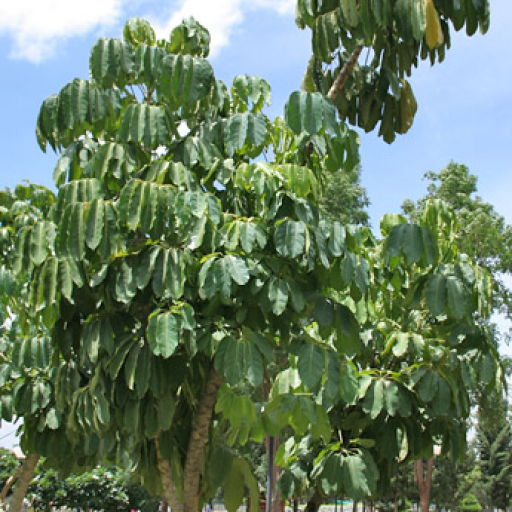
Often called the Umbrella Tree or the Octopus Tree, Brassaia actinophylla (now technically classified as Schefflera actinophylla) is a tropical showstopper that brings a lush, rainforest vibe to any space. Native to the tropical regions of Australia and New Guinea, it is famous for its canopy of glossy leaves that spread out like the ribs of an umbrella. Whether it is towering in a garden or brightening a living room corner, this plant is a favorite for its architectural beauty and rapid growth.
🔍 How to Identify
- 🌿 Leaf Structure: Large, glossy, bright green leaflets (usually 7 to 15) that radiate from a single central point at the end of a long stalk.
- 🌳 Growth Habit: An upright, multi-stemmed plant that can reach heights of 15 feet indoors, though it can soar to 50 feet in its native tropical habitat.
- 🐙 The "Octopus" Blooms: In maturity, it produces spectacular, long, red flower spikes that emerge from the top of the foliage, resembling the tentacles of an upside-down octopus.
🏡 In Your Garden & Home
- ☀️ The Light Balance: While it loves bright, filtered light, it is remarkably adaptable. If it becomes "leggy" (stretched out), it’s a sign it is searching for more sun; however, direct midday rays can scorch its shiny leaves.
- ✂️ Pruning Nuance: This plant is a fast grower and can become top-heavy. Don't be afraid to pinch off the growing tips or prune it back; this encourages the plant to grow bushier and prevents it from hitting your ceiling too quickly.
- 💧 Drainage is Key: It hates "wet feet." Using a well-draining potting mix is essential, as the roots are prone to rot if left sitting in standing water for too long.
⚠️ Safety & Toxicity
- 🐾 Toxic to Pets: This plant contains insoluble calcium oxalate crystals. If chewed or swallowed by cats or dogs, it can cause intense oral irritation, drooling, and vomiting.
- 🖐️ Skin Irritation: The sap can be a mild skin irritant for some people. It is best to wear gloves when pruning or handling cuttings to avoid a "pins and needles" sensation or a rash.
✨ Fun Fact
In its native Australian rainforests, the "Octopus" flowers produce such vast amounts of nectar that they attract a colorful parade of wildlife, including nectar-eating birds, honeyeaters, and even tree kangaroos!

Detailed Care Instructions
To grow Brassaia Actinophylla, also known as the umbrella tree or Schefflera, follow these steps:
- Choose a suitable location: The umbrella tree prefers bright, indirect sunlight. Find a spot near a window or in a partially shaded area with bright, filtered light.
- Select the right pot and soil: Use a well-draining pot with drainage holes. The pot size should be appropriate for the plant's current size. Use a well-draining potting mix that contains peat moss, perlite, and some organic matter.
- Watering: The umbrella tree prefers slightly moist soil but must not be overwatered. Water the plant thoroughly when the top inch of soil feels dry to the touch. Avoid letting the plant sit in standing water.
- Fertilization: Apply a balanced houseplant fertilizer every 4-6 weeks during the growing season (spring and summer). Follow the instructions on the fertilizer package for proper dilution and application.
- Pruning: Prune the plant to maintain a desirable shape and size. Remove any dead or yellowing leaves, as well as any excessive growth. Prune selectively to encourage bushiness.
- Repotting: When the plant becomes root-bound or outgrows its pot, repot it into a slightly larger container using fresh potting soil. This is typically done every 1-2 years.
- Temperature and humidity: The umbrella tree prefers temperatures between 60-75°F (15-24°C) but can tolerate slightly higher or lower temperatures. It also appreciates moderate humidity levels. Mist the leaves occasionally or place a tray of water nearby to increase humidity.
- Pests and diseases: Watch out for common houseplant pests like spider mites, aphids, and mealybugs. Inspect the plant regularly and treat promptly if an infestation occurs. Also, be aware of issues like root rot caused by overwatering.
- Propagation: The umbrella tree can be propagated through stem cuttings. Take 6-8 inch (15-20 cm) cuttings from healthy, mature branches and dip the cut end in rooting hormone. Plant the cutting in a small pot with moist soil and keep it warm and in bright, indirect light. Rooting should occur in 3-4 weeks.
By following these guidelines, you can successfully grow and maintain a Brassaia Actinophylla plant.

Place in a window with dappled sun or a spot in the middle of a room. Or directly in a window facing west or east.

The plant should be placed in a well-draining container with soil that retains moisture but also allows excess water to drain away. When watering, it is important to thoroughly saturate the soil, but avoid overwatering as it can lead to root rot. It is recommended to wait until the top inch of soil feels dry to the touch before watering again. The frequency of watering will depend on the climate, humidity, and size of the plant. It is important to monitor the moisture levels and adjust accordingly. As a general rule, it is better to underwater than overwater this plant. Avoid getting the leaves wet while watering to prevent fungal growth.
To fertilize this plant, use a balanced fertilizer with equal amounts of nitrogen, phosphorus, and potassium. Apply the fertilizer once every two weeks during the growing season and once a month during the dormant season. Be careful not to over-fertilize as it can cause damage to the roots. Water the plant thoroughly before and after fertilizing.
The ideal soil for this plant would have good porosity and drainage, with a light texture to allow for proper aeration and root growth. A mix of peat moss, perlite, and coarse sand or grit is recommended, with a slightly acidic pH of around 6.0-6.5. It is also important to ensure that the soil is nutrient-rich, with appropriate levels of nitrogen, phosphorus, and potassium to support healthy growth. Organic matter such as compost or well-rotted manure can be added to the soil to improve fertility and water retention. Avoid using heavy clay soils or those with high levels of salts or alkalinity, as these conditions can be harmful to the plant's health.
To propagate this plant, start by taking a healthy cutting from a mature stem that is at least 4 inches long. Using a sharp, clean pair of pruning shears, make a clean cut directly below a node, which is the point on the stem where a leaf attaches. Remove any leaves that are on the bottom half of the cutting, leaving only a couple of leaves at the top.
Next, prepare a pot with well-draining soil and make a hole in the center. Dip the cut end of the cutting into rooting hormone powder, which will help it develop roots more quickly. Insert the cutting into the hole in the soil and gently press the soil down around it to secure it in place.
Water the cutting thoroughly, but be careful not to overwater it as this can cause it to rot. Keep the cutting in a warm, bright location with indirect sunlight and humidity levels around 50%. You can cover the cutting with plastic wrap or a plastic bag to help retain moisture.
After a few weeks, you should begin to see roots developing from the bottom of the cutting. Once these roots are at least an inch long, you can transplant the new plant into a larger pot with high-quality soil and continue to care for it as you would a mature plant.
Common pests of the australian umbrella tree include Scale insect, mealybugs, thrips. Make a habit of checking your australian umbrella tree frequently for pests so that any infestations can be caught and managed early.








