Plant Overview
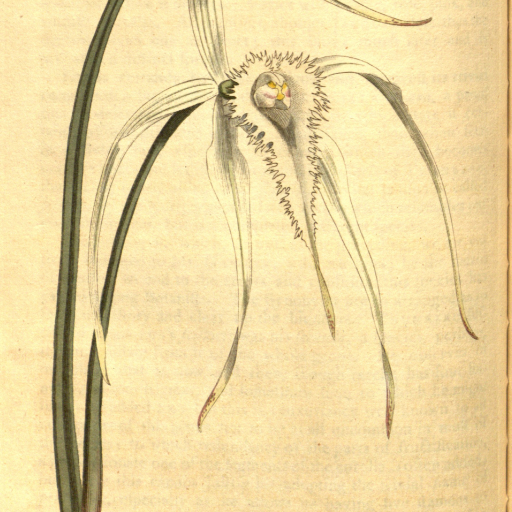
Often called the "Daddy Longlegs Orchid" or the "Hooded Brassavola," this species is the elegant ghost of the orchid world. Native to the coastal forests of Mexico and Central America, it abandons the broad leaves of its cousins for a spindly, minimalist silhouette. It is a favorite among collectors who enjoy plants that look like they belong in a botanical illustration from a gothic novel.
🔍 How to Identify
- 🌿 The Foliage: Unlike flat-leaved orchids, this plant features long, thin, pencil-like leaves (terete) that hang downward, mimicking the appearance of thick succulent vines.
- 🕷️ Spider-like Blooms: The flowers are famous for their incredibly long, wispy sepals and petals that droop toward the ground, often reaching 4 to 6 inches in length.
- 🤍 The Fringed Lip: At the center sits a striking, heart-shaped white lip with a delicately fringed or "toothed" edge, which gives the species its "cucullata" (hooded) name.
🏡 In Your Garden
- 💨 Airflow is Vital: In the wild, this orchid clings to trees where its roots are kissed by the wind. It performs best when mounted on a piece of cork or driftwood rather than sitting in a heavy pot of soil, which would quickly rot its sensitive roots.
- ☀️ The Sun-Kissed Glow: This plant is a sun-seeker. If its leaves develop a slight reddish or purple tint, don’t panic—this "suntan" is a sign it’s receiving enough light to produce its spectacular, ghost-white flowers.
⚠️ Safety & Toxicity
- ✅ Non-Toxic: Brassavola cucullata is generally considered safe and non-toxic for curious cats, dogs, and children.
- 🧤 Physical Fragility: While not poisonous, the "pencil" leaves are brittle. If snapped, the plant won't hurt you, but it will lose its aesthetic form and take a long time to heal.
✨ Fun Fact
This orchid is a "night owl" that uses perfume as a lure. It remains scentless throughout the day, but as soon as the sun sets, it releases a powerful, spicy-sweet fragrance to attract long-tongued hawkmoths that are active only in the dark.

Detailed Care Instructions
To grow a Brassavola Cucullata plant, follow these steps:
- Watering: Provide regular watering to keep the soil consistently moist, but not overly saturated. Allow the top layer of soil to dry out slightly between waterings. During the warmer months, water more frequently and reduce watering during cooler temperatures.
- Light: Brassavola Cucullata plants prefer bright, indirect sunlight. They can tolerate some direct sunlight, especially during the morning or evening, but too much intense light can scorch their leaves. Place the plant near a bright window or provide artificial grow lights if needed.
- Temperature and Humidity: These plants thrive in warm temperatures between 60-80°F (15-27°C). They can tolerate cooler temperatures in the range of 50-60°F (10-15°C) during the winter months. Maintain a humidity level of around 50-60% by placing the plant on a tray filled with water and pebbles to increase moisture around the plant.
- Pot and Soil: Plant Brassavola Cucullata in a well-draining potting mix that retains some moisture. Use a mix consisting of orchid bark, perlite, and a small amount of peat moss or coconut coir. Avoid using regular potting soil as it retains too much moisture and can lead to root rot.
- Fertilization: Feed your plant every 2-4 weeks during the growing season (spring and summer) with a balanced orchid fertilizer diluted to half strength. During the winter months, reduce fertilization to once a month or stop altogether.
- Repotting: Repot your Brassavola Cucullata every 2-3 years or when the pot becomes overcrowded with roots. Choose a pot that is one size larger and repot in fresh orchid potting mix. Take care not to damage the delicate roots during the process.
- Pruning: Trim any dead or dried-out roots, as well as any dead or yellowing leaves. This will help maintain the health and appearance of the plant.
- Pests and Diseases: Monitor your plant regularly for pests such as mealybugs or spider mites. If found, treat them with appropriate insecticides or insecticidal soap. Regularly inspect the leaves for signs of disease, and if any are spotted, treat accordingly.
By following these steps, you can successfully grow a Brassavola Cucullata plant and enjoy its beautiful flowers and sweet fragrance.
To water this plant, you should first check the soil moisture level by sticking your finger about an inch into the soil. If it feels dry, it's time to water. Use tepid water and water thoroughly until it runs out of the drainage holes in the bottom of the pot. Allow the soil to drain completely before placing the plant back in its usual location. Avoid letting the plant sit in standing water, as this can lead to root rot. Watering frequency will depend on factors such as temperature, humidity, and light levels, but generally, this plant likes to be kept evenly moist.
To fertilize this plant, use a balanced fertilizer with equal parts nitrogen, phosphorus, and potassium. Dilute the fertilizer to half strength and apply it every 2-3 weeks during the growing season. Avoid over-fertilizing and always water the plant thoroughly before fertilizing to prevent root damage. It is also important to flush the soil with water every few months to remove any accumulated salts from the fertilizer.
Brassavola Cucullata plants require well-draining soil that is specifically formulated for epiphytic orchids. This type of soil is typically made up of a combination of materials such as medium-grade fir bark, sphagnum moss, perlite, and charcoal. This mix allows for proper aeration and drainage, preventing root rot and ensuring optimal growing conditions for the plant. It is important to use a soil mix that mimics the plant's natural growing environment in tropical regions, where it typically attaches itself to trees or rocks rather than growing in traditional soil. This specialized soil mix will help promote healthy root growth and overall plant vigor.
To propagate this plant, select a healthy specimen with an established root system. Using sterilized equipment, carefully divide the root system, ensuring that each division has enough roots to support the plant. Dust the cut surfaces with rooting hormone powder and plant each division in a well-draining potting mix. Keep the newly potted plants in a warm and humid environment with bright, indirect light until new growth appears. It is also possible to propagate this plant using stem cuttings or leaf cuttings, but these methods are less common and may require more advanced techniques.








