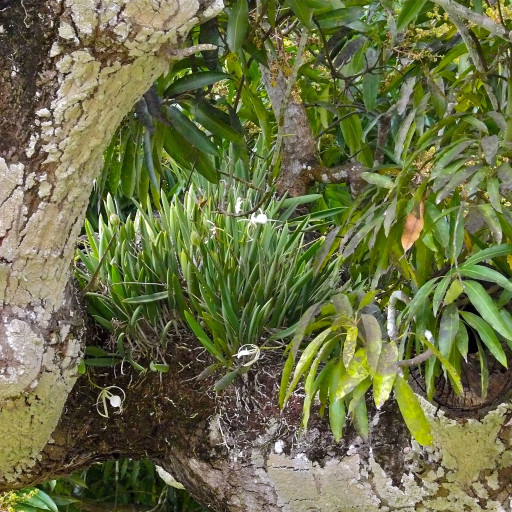
Plant Overview
Often called the "Lady of the Night," Brassavola nodosa is one of the most beloved orchids among beginners and experts alike. Native to the coastal lowlands of Central and South America, this orchid is famous for its intoxicating, lily-like fragrance that only releases after the sun goes down. In its natural habitat, it clings to mangrove trees or rocky cliffs, basking in the salty sea breeze and intense tropical sun.
🔍 How to Identify
- 🤍 The "Lady" Lip: The most striking feature is the large, white, heart-shaped lip (labellum) which acts as a landing pad for nocturnal pollinators.
- 🍃 Pencil Leaves: Unlike many orchids with broad, flat leaves, this species has "terete" leaves—narrow, fleshy, and cylindrical—which help it conserve water in windy coastal environments.
- ⭐ Starry Petals: The sepals and petals are thin, elongated, and usually a pale lime-green or creamy white, giving the flower a delicate, starry appearance.
🏡 In Your Garden
- ☀️ Light Lover: This orchid is a "sun worshipper." If the leaves develop tiny reddish-purple freckles, don't panic! This is the plant's version of a suntan, signaling that it’s getting the high light it needs to bloom frequently.
- 💨 The Great Escape: Because it grows on trees in the wild, it hates "wet feet." It thrives best when mounted on cork bark or tucked into a wooden basket with very chunky charcoal or bark. It needs to dry out almost completely between waterings.
- 💧 Humidity over Soil: It prefers a humid atmosphere over moist soil. If you keep it indoors, a pebble tray or a nearby mister will make it feel right at home in the tropics.
⚠️ Safety & Toxicity
- ✅ Safe Status: Brassavola nodosa is generally considered non-toxic and safe for households.
- 🐾 Pet Friendly: Unlike some tropical plants, this orchid is not known to be poisonous to cats or dogs. However, its tough, fibrous leaves can still cause mild stomach upset if a curious pet decides to use it as a chew toy.
✨ Fun Fact
The "Lady of the Night" doesn't waste energy being fragrant during the day. It has evolved to specifically attract nocturnal Hawk Moths. These moths have long proboscises designed to reach the nectar hidden deep within the flower's tube, guided by the glowing white color and the scent that peaks at midnight.

Detailed Care Instructions
| Humidity | Normal |
| Lighting | Full Sun |
| Difficulty | Medium |
| Temperature | 24°C - 31°C |
Here is a step-by-step guide on how to grow Brassavola Nodosa, also known as the Lady of the Night orchid:
- Light: Brassavola Nodosa plants thrive in bright, indirect light. Place them near a south or east-facing window where they can receive moderate to bright light throughout the day. Avoid direct sunlight as it can scorch the leaves.
- Temperature: These orchids prefer warm temperatures, ranging between 70°F to 85°F (21°C to 29°C) during the day and slightly cooler temperatures at night, around 60°F to 70°F (15°C to 21°C). Keep them away from drafts and sudden temperature changes.
- Humidity: Brassavola Nodosa orchids require a humid environment. The ideal humidity level is around 50% to 70%. Increase humidity by placing a tray of water near the plant or using a humidifier. Misting the leaves with water once or twice a day can also help.
- Watering: These orchids prefer a drying-out period between waterings. Water them thoroughly when the top inch of the potting medium is dry. Avoid overwatering as it can lead to root rot. Drain excess water from the pot to prevent waterlogging.
- Potting medium: Use a well-draining potting medium specifically formulated for orchids. A mix of bark, perlite, and sphagnum moss is commonly used. Repotting is usually required every two to three years, or when you see the roots overtaking the pot.
- Fertilizer: Feed your Brassavola Nodosa orchid with a balanced, water-soluble orchid fertilizer. Dilute the fertilizer to half the recommended strength and apply it every two weeks during the growing season (spring and summer). Reduce fertilizer frequency to once a month during the rest period (fall and winter).
- Rest period: Brassavola Nodosa orchids require a rest period to encourage blooming. Reduce watering and fertilizer frequency during the fall and winter months. Provide them with lower light levels and slightly cooler temperatures during this period.
- Blooming: Brassavola Nodosa orchids usually bloom once a year, typically in the spring. Flowers are fragrant, with white or cream-colored petals and sepals, accompanied by a greenish-yellow lip.
By following these guidelines, you should be able to successfully grow Brassavola Nodosa and enjoy its beautiful blooms. Remember to observe your plant and make adjustments based on its specific needs.

Place in a window with dappled sun or a spot in the middle of a room. Or directly in a window facing west or east.

To properly water this plant, you should first ensure that the soil is completely dry before giving it water. Once the soil is dry, you can use room temperature water to water the plant thoroughly, making sure to evenly distribute the water throughout the soil. It is important not to overwater this plant, as it prefers to stay slightly dry rather than too wet. Additionally, you should avoid getting water on the leaves or flowers, as this can cause damage or rot. Finally, you should allow any excess water to drain out of the pot before returning the plant to its usual location.
The Brassavola Nodosa plant should be fertilized every two weeks during the growing season using a balanced fertilizer that contains equal amounts of nitrogen, phosphorus, and potassium. When applying the fertilizer, make sure to dilute it to half the recommended strength to avoid burning the plant's roots. It's also important to water the plant thoroughly before and after fertilizing to help the plant absorb the nutrients and prevent fertilizer salt buildup in the soil. During the dormant season, reduce the frequency of fertilization to once a month or stop fertilizing altogether.
The recommended soil type for Brassavola Nodosa plants is a well-draining mixture that contains a various combination of sand, perlite and bark. This soil type provides optimal drainage to avoid excessive moisture which can lead to root rot. Additionally, it allows air circulation around the roots which is essential for healthy plant growth. A soil pH of 5.5 - 6.5 is also recommended. It is advisable to avoid using standard potting soil which retains too much water, as this will negatively impact the growth and overall health of the plant. The soil should be slightly moist but not overly wet at all times for best results.
Propagating Brassavola Nodosa plant can be done through a method called division. This involves carefully removing the plant from its pot or soil and separating it into smaller clumps, each with their own roots and stems. This ensures that each new plant will have the necessary resources to grow and thrive. The best time to do this is during the plant's active growth phase, which is typically in the spring and summer months. Care should be taken to avoid damaging the roots or stems during the division process, as this can cause stress and inhibit growth. After dividing the plant, each new clump can be replanted in its own pot or in a new location in the garden. Adequate watering and appropriate soil conditions will promote healthy growth and development of the newly propagated plants.
Common pests of the lady of the night orchid include Snails. Make a habit of checking your lady of the night orchid frequently for pests so that any infestations can be caught and managed early.








