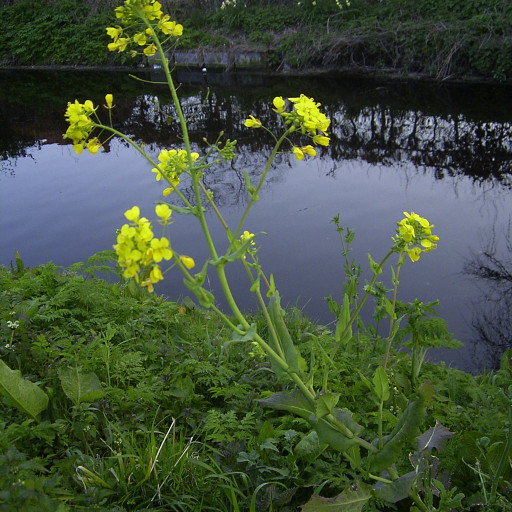
Plant Overview
Meet the "Chameleon of the Vegetable World." Brassica rapa is a master of disguise, appearing in your kitchen as everything from a crunchy Turnip to a leafy Bok Choy or a peppery Rapini. Native to Eurasia, this ancient plant has been cultivated for over 4,000 years, evolving into dozens of different forms that look nothing alike but share the same DNA.
🔍 How to Identify
- 🌼 The Flowers: Like all members of the mustard family, it produces bright yellow, four-petaled flowers that form a distinct "cross" shape (hence the term cruciferous).
- 🍃 The Foliage: In its wild or "Field Mustard" form, the leaves are bright green, slightly bristly, and clasp the stem directly at the base without a long stalk.
- 🌱 The Seed Pods: After flowering, it develops long, thin, pencil-like pods called siliques that point upward and contain tiny, dark, round seeds.
🏡 In Your Garden
- ❄️ Cool Weather Specialist: This plant is a sprinter, not a marathon runner. It thrives in the cool temperatures of spring and autumn. If the sun gets too hot, the plant will "bolt"—sending up a flower stalk and turning the leaves bitter almost overnight.
- 🐛 The Pest Magnet: While easy to grow, it is a favorite snack for Cabbage White butterflies and flea beetles. Using a light row cover can protect your greens from becoming "Swiss cheese" before you get a chance to harvest them.
⚠️ Safety & Toxicity
- 🍽️ Safe for Humans: The entire plant is edible, from the roots to the yellow blossoms. It is a powerhouse of Vitamin C and K.
- 🐾 Pet Considerations: While safe in small amounts, large quantities can cause digestive upset in dogs or cats due to isothiocyanates (the compounds that give it a spicy kick). Livestock should not overgraze on wild varieties, as it can cause thyroid issues (goitrogens).
✨ Fun Fact
Brassica rapa is so genetically flexible that humans have "sculpted" it into completely different-looking crops: we bred it for its fat root to get Turnips, for its large leaves to get Napa Cabbage, and for its thick flowering stems to get Broccolini!

Detailed Care Instructions
| Color | Yellow, White |
| Soil Ph | 6.0–6.5 |
| Humidity | Normal |
| Invasive | Weed |
| Lighting | Part Sun |
| Toxicity | Non-Toxic |
| Soil Type | Sandy, Well-Draining |
| Bloom Time | Summer |
| Difficulty | Medium |
| Plant Type | Annual |
| Hibernation | Cold Period |
| Mature Size | 12 To 18 Inches Tall |
| Native Area | Europe |
| Temperature | 10°C - 24°C |
| Sun Exposure | Full Sun, Partial Shade |
| Hardiness Zones | 2–9 |
To successfully grow Brassica rapa plants, follow these steps:
- Choose a suitable location: Brassica rapa plants prefer full sun, so select a site with at least 6 hours of direct sunlight per day. Ensure that the soil is well-draining, loose, and rich in organic matter.
- Prepare the soil: Remove any weeds or debris from the planting area and loosen the soil using a garden fork or tiller. Amend the soil with compost or well-rotted manure to improve its fertility and drainage.
- Planting: Brassica rapa can be grown from seeds or seedlings. If planting from seeds, sow them directly into the garden, approximately 1/4 inch deep and spaced 6-12 inches apart. If using seedlings, gently plant them into the prepared soil, ensuring that the crown is level with the soil surface.
- Watering: Keep the soil consistently moist but not waterlogged. Provide water to the plants when the top inch of soil feels dry. Deep watering is preferable to shallow watering, as it encourages the plant's roots to grow deeper and establish a strong foundation.
- Fertilizing: Brassica rapa plants benefit from regular fertilization. Apply a balanced, slow-release fertilizer according to the manufacturer's instructions. Alternatively, you can incorporate organic matter into the soil during planting for a natural source of nutrients.
- Mulching: Mulch around the plants with a layer of organic mulch, such as straw or wood chips. Mulching helps conserve moisture, suppresses weed growth, and maintains a more even soil temperature.
- Pest and disease control: Brassica rapa plants are susceptible to various pests and diseases, such as aphids, flea beetles, and cabbage worms. Monitor the plants regularly and apply organic or chemical control methods if infestations occur.
- Harvesting: Brassica rapa plants are fast-growing, and many varieties can be harvested within 40-60 days from sowing. Harvest the plant when the leaves and stems are tender but crisp. Cut the outer leaves of the plant, leaving the inner growth to continue producing.
By following these steps, you can successfully grow Brassica rapa plants and enjoy a bountiful harvest.

Place in a window with dappled sun or a spot in the middle of a room. Or directly in a window facing west or east.

To properly water this plant, you should first observe the soil moisture level. It's important to avoid overwatering, as too much water can lead to root rot and other issues. As a general rule of thumb, the soil should be moist but not saturated.
When watering, it's best to use a watering can or similar tool that allows you to control the amount of water being applied. You should aim to water the soil around the base of the plant, rather than watering the leaves or flowers. This will help prevent fungal diseases and other issues.
Watering frequency will depend on several factors, including the size of the plant, the pot or container it's in, and the weather conditions. In general, you should water when the top inch or so of soil feels dry to the touch. Pay attention to how the plant reacts to watering - if it starts to droop or wilt, it could be a sign that it's not getting enough water.
Overall, it's important to provide consistent, even moisture to this plant to promote healthy growth and development.
To properly fertilize this plant, mix a high-nitrogen fertilizer into the soil before planting. Then, feed the plant with a balanced fertilizer every two weeks during the growing season. Avoid over-fertilizing as it may lead to excessive vegetative growth and reduce the yield. Consider using an organic fertilizer to promote healthy growth without the risk of synthetic chemicals. Additionally, ensure that the soil is well-draining and maintain adequate moisture for optimal growth.
The ideal soil for this particular plant should be well-draining and rich in organic matter. The pH level of the soil should be slightly acidic, around 6.0-6.5. The soil should also be fertile and have a good balance of nitrogen, potassium, and phosphorus. It is important to avoid using soil that is compacted or heavy, as this can affect the plant's growth and development. Additionally, adding a layer of mulch can help retain moisture and keep the soil cooler during hot weather.
To propagate this plant, gather seeds from mature plants and dry them in a cool, dark place. Once the seeds are fully dry, plant them in a well-lit area with moist soil. Keep the soil consistently moist and thin out seedlings as they grow to avoid overcrowding. Alternatively, take stem cuttings from healthy, mature plants and root them in water or a rooting hormone before planting them in soil. Provide plenty of light and keep the soil moist until the new plants become established.
Common pests of the field mustard include Aphids, larvae. Make a habit of checking your field mustard frequently for pests so that any infestations can be caught and managed early.








