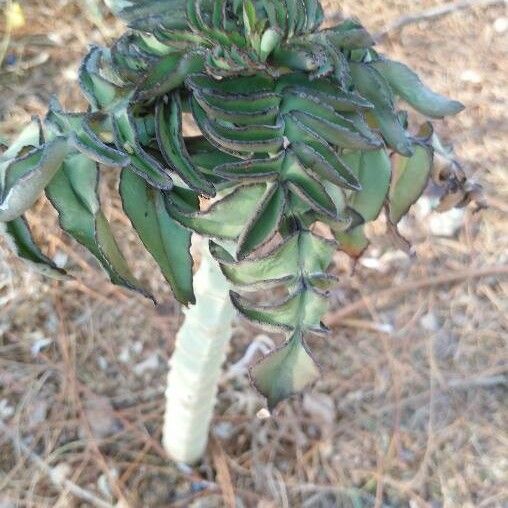
Plant Overview
Known as the Blooming Boxes or Boxwood Kalanchoe, this architectural wonder hails from the rocky landscapes of Madagascar. It is a succulent that looks like it was designed by a geometric artist, featuring perfectly rigid, square stems and lantern-like flowers. Its name, proliferum, refers to its remarkable ability to "proliferate" by growing miniature clones of itself directly on its flower stalks.
🔍 How to Identify
- 🌿 The Stem: Unlike many rounded succulents, this plant features distinctively four-angled, boxy stems that feel sturdy and architectural.
- 🍃 The Foliage: The leaves are large, fleshy, and deeply lobed (pinnate). They often sport a reddish-purple tint along the serrated edges when exposed to bright sunlight.
- 🔔 The Flowers: It produces towering clusters of pendulous, bell-shaped flowers. Each bloom is tucked inside an inflated, papery, box-like calyx that gives the plant its "Blooming Boxes" nickname.
🏡 In Your Garden
- 🌱 Prolific Propagation: This plant is a "viviparous" species, meaning it produces baby plantlets along the spent flower stalks. If these stalks touch the ground, the babies take root immediately, making it incredibly easy (sometimes too easy!) to multiply.
- ☀️ Sun and Drainage: While it loves basking in the sun to bring out its red hues, it is prone to root rot if left in soggy soil. It prefers a "neglectful" watering schedule—only give it a drink when the soil feels bone-dry to the touch.
- 📏 Space Management: Because it can grow quite tall (up to 6 feet in ideal conditions) and spreads via its falling plantlets, it is best kept in a large container or a dedicated succulent bed where it won't overtake slower-growing neighbors.
⚠️ Safety & Toxicity
- 🐾 Toxic to Pets: Like most members of the Kalanchoe family, this plant contains cardiac glycosides. If ingested by cats or dogs, it can cause vomiting, tremors, or heart rhythm issues.
- 👶 Keep Away from Kids: While beautiful, the sap can cause mild skin irritation in sensitive individuals, and the "box" flowers should never be eaten.
✨ Fun Fact
The Bryophyllum proliferum is a master of survival. In its native Madagascar, if the main plant is damaged or the environment becomes too harsh, the plantlets on the flower stalks act as a "backup plan," dropping off to colonize new territory and ensure the colony survives.

Detailed Care Instructions
Bryophyllum Proliferum, also known as Mother of Thousands or Kalanchoe Pinnata, is a succulent plant that can be grown from the plant's small plantlets that form along the edges of its leaves. Here are some steps to grow Bryophyllum Proliferum:
- Obtain plantlets: Look for a healthy Bryophyllum Proliferum plant that has matured enough to produce small plantlets along its edges. These plantlets look like tiny miniature plants.
- Prepare a suitable pot or container: Choose a pot or container with proper drainage holes to avoid waterlogging. Additionally, ensure it is deep enough to accommodate the plant's root system.
- Prepare a suitable growing medium: Use a well-draining soil mix suitable for succulent plants. You can buy a commercial cactus or succulent mix or make your own by combining regular potting soil with perlite or sand to increase the drainage.
- Plant the plantlets: Gently remove the plantlets from the parent plant, ensuring they have a small section of the leaf stalk attached. Plant the plantlets in the prepared soil mix, burying the leaf stalk just below the surface.
- Provide the right conditions: Place the pot in a bright area with indirect sunlight. Bryophyllum Proliferum prefers warm temperatures ranging between 60-85°F (15-29°C). It can tolerate partial shade but may not thrive in low light conditions.
- Watering: Allow the soil to dry out between waterings, as Bryophyllum Proliferum is prone to rot if overwatered. Water the plant thoroughly and let the excess water drain out from the bottom of the pot. Avoid wetting the leaves, as this can encourage diseases.
- Fertilization: Apply a balanced and diluted fertilizer specifically formulated for succulents or cacti during the plant's active growing season (spring and summer) once every month. Follow the instructions on the fertilizer package for proper dilution.
- Repotting: As Bryophyllum Proliferum grows larger, you may need to repot it into a larger container. Repotting is usually done every 1-2 years in the spring using fresh soil mix.
- Propagation: After some time, the planted plantlets will grow and produce their own plantlets. This process can continue, creating a chain of new plants.
Remember to monitor your Bryophyllum Proliferum regularly for signs of pests, such as mealybugs or aphids, and address any issues promptly. With proper care, your Bryophyllum Proliferum plant will grow and propagate easily.

Place in a bright room that is sun drenched almost all day. Or directly in a south-facing window.

Bryophyllum Proliferum is a plant that can easily be overwatered, so it's important to water it carefully. To properly water this plant, you should check the soil moisture level by inserting your finger about an inch into the soil. If the soil feels dry, it's time to water the plant.
You can use a watering can or a spray bottle to gently moisten the soil around the plant, being careful not to directly water the leaves or stem of the plant. Overwatering can cause the plant to rot, so it's important to make sure the soil is well-drained and not too moist.
It's also recommended to let the plant dry out slightly between waterings to avoid any potential issues with overwatering. Watering this plant too frequently can lead to root rot and other problems that can harm the plant.
Overall, the key to watering Bryophyllum Proliferum is to check the soil moisture level often, and water the plant sparingly and carefully to avoid any issues with overwatering.
- Prepare a well-draining potting mix suitable for succulent plants.
- Choose a container with drainage holes to prevent waterlogging.
- Place the Bryophyllum Proliferum plant in partial shade or indirect sunlight.
- Water the plant thoroughly, allowing the soil to dry out between watering sessions.
- Use a balanced, water-soluble fertilizer specifically formulated for succulents.
- Dilute the fertilizer according to the manufacturer's instructions.
- Apply the diluted fertilizer to the soil during the plant's active growing season, typically spring and summer.
- Avoid fertilizing during the plant's dormant period, usually in fall and winter.
- Provide additional nutrients by incorporating organic matter into the potting mix.
- Monitor the plant's growth and adjust the fertilization frequency if needed.
Bryophyllum Proliferum plant requires a well-draining soil mix that is high in organic matter. The soil should be slightly acidic to neutral, with a pH range of 6.0-7.5. The soil mix should be loose and airy to allow for proper root development and to prevent waterlogging. It is best to use a mix of peat moss, perlite, vermiculite, and sand in equal parts to create the ideal soil mix. Additionally, the soil should be fertile and rich in nutrients, so adding organic compost or fertilizer to the soil mix is recommended. Adequate moisture retention in the soil is important, as Bryophyllum Proliferum prefers to be moderately moist most of the time, except during winter dormancy.
To propagate Bryophyllum Proliferum plants, you can follow these steps:
- Start by selecting a healthy and mature plant for propagation. Look for a plant that has vibrant and lush green leaves without any signs of damage or disease.
- Prepare a pot or container for the new plant. Make sure it has proper drainage to avoid waterlogging, which can harm the plant. Fill the pot with well-draining soil or a suitable propagation medium.
- Locate a healthy and mature leaf on the Bryophyllum Proliferum plant. Gently twist or cut the leaf from the main stem using clean and sharp garden shears or a knife. Take care to avoid damaging the leaf or the stem.
- Once the leaf has been removed, allow it to dry for a day or two. This will help prevent rotting during the propagation process.
- After drying, place the leaf on top of the prepared soil in the pot. Avoid burying the leaf; instead, let it rest gently on the soil surface.
- Lightly press down on the leaf to ensure good contact with the soil. This will help initiate root growth from the base of the leaf.
- Mist the leaf and soil surface lightly with water to provide moisture. This will aid in the roots' establishment.
- Place the pot or container in a warm and brightly lit location, away from direct sunlight. A temperature range of 65-75°F (18-24°C) is ideal for successful propagation.
- Keep the soil slightly moist, but avoid overwatering, which can lead to root rot. Spraying the leaf surface with water from time to time can also help maintain humidity.
- Over the next few weeks, keep monitoring the leaf for any signs of new growth. Small plantlets or miniature versions of the parent plant will emerge from the notches or serrations on the leaf margins.
- Once these plantlets develop sufficient roots and a few leaves of their own, they can be gently separated from the parent leaf. Carefully lift them using small tweezers or by hand, ensuring you do not cause any damage to the juvenile plant.
- Plant the separated plantlets into individual pots or suitable planting locations, using the same well-draining soil or propagation medium.
- Continue to provide proper care by keeping the soil slightly moist and placing the plants in a warm and well-lit area. Gradually introduce them to more sunlight over time.
By following these steps, you can propagate Bryophyllum Proliferum plants successfully and expand your collection or share them with other gardening enthusiasts.
Common pests of the blooming boxes include Scale insect, mealybugs, aphids, thrips. Make a habit of checking your blooming boxes frequently for pests so that any infestations can be caught and managed early.








