Plant Overview
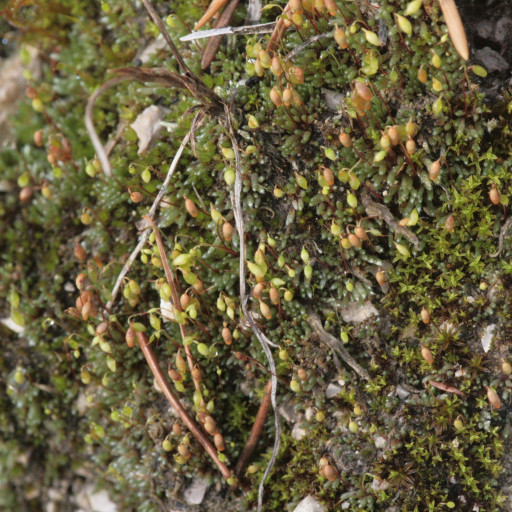
Commonly known as Silver Moss or Silvery Thread Moss, this tiny powerhouse is the ultimate urban survivor. While many mosses retreat to the damp shadows of ancient forests, Bryum argenteum has conquered the concrete jungle, shimmering like spilled glitter in sidewalk cracks and on rooftops. It is one of the most widely distributed mosses on Earth, thriving on every single continent—including the frozen reaches of Antarctica.
🔍 How to Identify
- 💎 Silvery Sheen: Its most striking feature is a metallic, pearlescent glow. This isn't just for show; the tips of its tiny leaves lack chlorophyll (the green pigment), reflecting sunlight to protect the plant from drying out.
- 🧶 Braid-like Shoots: Under a magnifying glass, the stems look like miniature braided ropes. The leaves are pressed tightly against the stem, giving the plant a smooth, cylindrical appearance.
- ☁️ Compact Cushions: It grows in very dense, firm tufts or mats. If you press it with your finger, it feels much more solid than the fluffy "carpet" mosses found in deep woods.
🏡 In Your Garden
- 🧱 The Concrete Lover: This moss has a unique "sweet tooth" for lime. It frequently grows near brick, mortar, and concrete because these materials leach minerals that the moss craves. It’s a perfect candidate for "moss graffiti" or filling gaps in stone walkways.
- 💧 Extreme Resilience: It is a master of "anhydrobiosis," meaning it can dry out until it’s brittle and seemingly dead, only to "wake up" and turn vibrant green within seconds of being misted with water.
- 🌱 Colonizer Role: In a garden ecosystem, it acts as a pioneer. It catches windblown dust and organic matter, slowly creating a tiny layer of soil that allows other small plants to take root in otherwise barren spots.
⚠️ Safety & Toxicity
- ✅ Status: Non-toxic and safe for touch.
- 🧤 Details: While the moss itself is harmless to pets and children, its habit of growing in urban cracks means it can trap pollutants, heavy metals, or road salt. If you are transplanting it from a city street to your garden, wear gloves to avoid contact with trapped urban debris.
✨ Fun Fact
- ❄️ Frozen in Time: Scientists once revived Bryum argenteum samples that had been frozen under Antarctic ice for over a century. Once thawed and given light, the moss began to grow as if it had never been interrupted!

Detailed Care Instructions
| Humidity | Dry |
| Lighting | Full Sun |
| Difficulty | Easy |
| Hibernation | Cold Period |
To grow Bryum Argenteum (Silvery Bryum) plant, you can follow these steps:
- Choose a suitable location: Bryum Argenteum is a resilient and adaptable plant that does well in a variety of environments. It can thrive in both sun and shade but prefers a shaded area with damp, moist soil.
- Prepare the soil: Ensure that the soil is well-draining and rich in organic matter. If the natural soil conditions are not ideal, you can amend the soil by adding compost or peat moss to improve moisture retention.
- Planting: Gather a small clump of Bryum Argenteum from an existing moss patch or purchase moss from a garden center specializing in moss varieties. Loosen the soil slightly and place the clump on the prepared soil surface. Press it gently to ensure good contact with the soil.
- Watering: Water the plant thoroughly after planting and keep the soil consistently moist but not waterlogged. Mist the moss regularly to maintain the moisture, especially in dry conditions. Avoid allowing the moss to dry out completely.
- Light conditions: Bryum Argenteum can tolerate a wide range of light conditions, but it prefers partial shade to full shade. Avoid exposing it to direct sunlight for extended periods, as it may cause the moss to dry out.
- Maintenance: Mosses are relatively low-maintenance plants. However, they do benefit from periodic misting to promote growth and maintain hydration. Remove any debris or fallen leaves from the moss to prevent shading and smothering. If the moss becomes too thick, thin it out gently.
- Avoid disturbances: Bryum Argenteum can be sensitive to disturbances such as foot traffic or heavy rain. Try to prevent excessive trampling or heavy watering that may wash away the moss.
- Propagation: Bryum Argenteum can propagate through spores or fragmentation. Spores are microscopic structures that are spread through wind or water. Fragmentation occurs when a piece of moss breaks off and establishes itself elsewhere. However, propagation may be a slow process, and it is recommended to collect and transplant clumps of existing moss to speed up the growth and spread.
Remember that Bryum Argenteum is a delicate plant and may take some time to establish and spread. With patience, consistent care, and proper growing conditions, you can successfully grow a patch of Bryum Argenteum.

Place in a window with dappled sun or a spot in the middle of a room. Or directly in a window facing west or east.

To properly water this plant, it is important to understand its specific water requirements. Begin by checking the soil moisture using a soil moisture meter or by touching the top layer of soil with your finger. If the soil feels dry, it is time to water the plant.
Fill a watering can with room temperature water and slowly pour it over the soil, avoiding getting water on the leaves. Allow the soil to absorb the water and drain any excess water from the saucer underneath the pot. It is important not to overwater this plant as it is sensitive to waterlogged soils.
Ensure that the plant is placed in a well-draining pot that allows excess water to drain away from the roots. Additionally, this plant prefers a humid environment, so misting the leaves with water or placing a tray of water nearby can help to increase humidity levels.
As a general rule, this plant should be watered whenever the top inch of soil feels dry to the touch. By following these guidelines, you can help ensure the health and vitality of this plant.
To fertilize this plant, mix a balanced fertilizer with equal parts of organic matter, such as compost or aged manure. Apply the mixture evenly over the soil surface, making sure to avoid getting any fertilizer on the leaves or stem of the plant. Water thoroughly after applying the fertilizer mixture. Repeat this process every 4-6 weeks during the growing season.
Bryum Argenteum, a moss species, thrives in specific soil and environmental conditions. Here are details about the type of substrate suitable for cultivating this plant:
- Substrate Type: Choose a well-draining, lightweight medium that allows for good aeration. A mix of peat moss and sand is often recommended for optimal drainage and moisture retention.
- pH Level: Aim for a slightly acidic to neutral pH, generally between 5.5 to 7.0. Adjustments can be made using amendments like lime to raise pH or sulfur to lower it if necessary.
- Moisture Retention: While the substrate should drain well, it is critical to maintain consistent moisture without allowing the roots to sit in water. Incorporating materials like vermiculite can help with moisture retention while still providing drainage.
- Organic Matter: Adding organic matter can enhance the nutrient content of the soil, though the plant is relatively adaptable and can derive some nutrients from the surrounding environment.
- Compaction: Avoid compacting the soil too much; it should remain loose to facilitate root growth and air exchange. This can be achieved by mixing in perlite or small pieces of bark.
- Lighting: While not directly related to soil composition, consider that Bryum Argenteum prefers indirect sunlight or partial shade. Positioning the substrate in an area that reflects this light preference is crucial for healthy growth.
In summary, a well-draining, slightly acidic to neutral substrate rich in organic content, while maintaining adequate moisture without waterlogging, is ideal for successfully cultivating this moss species.
Bryum argenteum can be propagated vegetatively or by spores. Vegetative propagation involves taking a small piece of the plant and placing it in a suitable growing medium under conditions that promote growth. This can be done by carefully removing a small piece of the plant from the base and placing it on damp soil or moss. Covering with a plastic dome or plastic wrap can help keep the humidity high and create a mini-greenhouse.
Spore propagation involves collecting spores from mature sporophytes and sowing them onto a growing medium. The spores should be collected in a dry container and then dusted onto a prepared soil surface. The medium should be kept moist, and the container should be covered to maintain high levels of humidity. It can take several weeks for the spores to germinate and grow into new plants.
Once the new plants have established themselves, they can be transplanted to a more permanent location or container. The plants prefer moist, well-draining soil and moderate to bright indirect light. They should be watered regularly, but not allowed to sit in standing water, as this can lead to root rot. The plants also appreciate occasional fertilization with a balanced plant food to promote healthy growth.








