Plant Overview
Known affectionately as Sagewood or the South African Butterfly Bush, Buddleja salviifolia is a hardy, fast-growing evergreen that bridges the gap between a wild shrub and a garden centerpiece. Its name comes from its remarkable resemblance to culinary sage, but instead of seasoning your dinner, it seasons the air with a heavy, honey-sweet perfume. In its native African highlands, it is often the first sign that spring is arriving, drawing in every pollinator in the neighborhood.
🔍 How to Identify
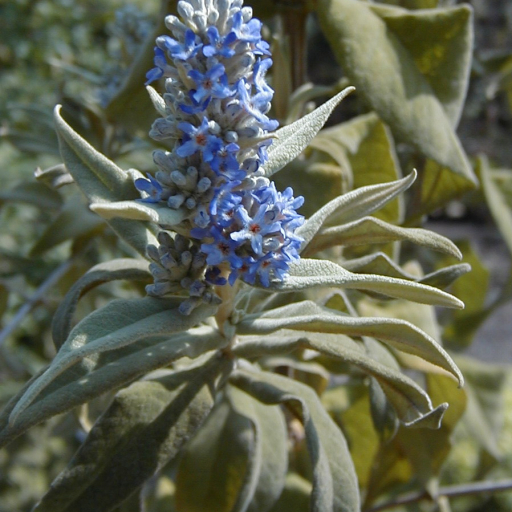
- 🍃 Sage-Like Foliage: The leaves are long, narrow, and deeply wrinkled (rugose), with a distinct silver-grey underside covered in fine, velvety hairs.
- 🌸 Clustered Blooms: It produces dense, cone-shaped flower spikes (panicles) that range from creamy white to a delicate lilac, usually featuring a tiny orange "eye" at the center of each floret.
- 🎋 Arching Habit: The plant has a weeping or "fountain" growth habit, with long, heavy branches that bow gracefully toward the ground.
- 🍂 Peeling Bark: On older specimens, the bark becomes creamy-brown and starts to peel in longitudinal strips, adding winter interest to the garden.
🏡 In Your Garden
- ✂️ The "Hard Prune" Rule: Because it grows so vigorously, Sagewood can become "leggy" or messy if left to its own devices. It thrives when cut back hard immediately after flowering, which encourages a flush of fresh, silvery growth.
- ☀️ Tougher Than it Looks: While most Buddlejas are hardy, Salviifolia is particularly resilient. It handles frost better than many of its cousins and is exceptionally drought-tolerant once its root system is established, making it perfect for "lazy" gardeners or xeriscaping.
- 🦋 Wildlife Magnet: It is a premier "nursery" plant. It provides dense cover for nesting birds and serves as a vital early-season food source for butterflies and bees when other flowers are still dormant.
⚠️ Safety & Toxicity
- 🟢 Status: Non-Toxic.
- 🐾 Details: Buddleja salviifolia is generally considered safe for humans, cats, and dogs. It does not contain the harsh alkaloids found in many other ornamental shrubs, though ingestion of any garden plant may cause mild stomach upset in curious pets. It is a "friendly" choice for family gardens.
✨ Fun Fact
The Latin specific epithet salviifolia literally translates to "leaves like Sage." In Southern Africa, the wood is famously tough and was historically prized for making durable fishing rods and even traditional assegai (spear) shafts!

Detailed Care Instructions
To grow Buddleja salviifolia (also known as the wild sage or lavender sage), you can follow these steps:
- Soil: Choose a well-draining soil mix with a slightly acidic to neutral pH. Mix organic matter like compost or peat moss to improve the soil's fertility and drainage.
- Location: Place your plant in a sunny spot where it can receive at least 6-8 hours of direct sunlight per day. Buddleja salviifolia performs best in full sun.
- Watering: Water your plant deeply but infrequently. Allow the top inch of soil to dry out before watering again. Overwatering can lead to root rot, so ensure the soil has good drainage.
- Fertilizer: Apply a balanced, slow-release organic fertilizer during the growing season (spring and summer) to promote healthy growth and flowering. Follow the instructions on the fertilizer packaging for the correct dosage.
- Pruning: Prune the plant in late winter or early spring by cutting back any dead or damaged branches and shaping the plant as desired. Pruning helps maintain its shape and promotes new growth and flowering.
- Mulching: Apply a layer of organic mulch around the base of the plant to help retain moisture, suppress weeds, and regulate the soil temperature. Mulch also enriches the soil as it breaks down.
- Propagation: Buddleja salviifolia can be propagated from seeds or cuttings. For seeds, sow them in a well-draining potting mix and ensure they are kept moist until germination. For cuttings, take 4-6 inch long cuttings from healthy, young stems and plant them in a potting mix. Keep the cuttings moist and place them in a warm, bright location until they root.
- Pest and Disease Control: Buddleja salviifolia is generally resistant to pests and diseases. However, keep an eye out for aphids, spider mites, or powdery mildew. If necessary, treat these issues with organic insecticidal soap or a mild solution of neem oil.
By following these guidelines, you can successfully grow and cultivate a healthy Buddleja salviifolia plant.

Place in a bright room that is sun drenched almost all day. Or directly in a south-facing window.

Here are some details on how to water the plant that you have requested:
1. Make sure to water the plant deeply and thoroughly. This means that you should water it until the soil is moist throughout the root zone.
2. Water the plant slowly to avoid washing away the soil or damaging its roots.
3. Water the plant when the topsoil is slightly dry or when the plant starts to wilt. Avoid watering it too much as it may cause root rot and other harmful conditions.
4. Use a well-draining soil mix that will allow the roots to breathe and easily absorb moisture.
5. If you are growing the plant in a pot, make sure that there is a drainage hole at the bottom to allow excess water to escape.
6. During the summer, you may water the plant more often as this is the season when it needs the most water.
7. Be careful not to wet the plant's leaves as this may cause fungal growth and other diseases.
8. In the winter, water the plant less often as it goes into a dormant state.
To fertilize this plant, you should use a balanced fertilizer with equal parts nitrogen, phosphorus, and potassium. Apply the fertilizer in early spring before new growth begins, and again in late summer to promote flowering. Be sure to water the plant thoroughly before and after fertilizing, and avoid getting any fertilizer on the foliage or flowers.
When planting Buddleja Salviifolia, it is recommended to use a well-draining soil that is rich in organic matter. The soil should have a pH level that is slightly acidic to neutral, ranging from 6.0-7.0. A mixture of fine sand and compost can be added to the soil to improve drainage and nutrient content. When planting, ensure that the soil is moist but not waterlogged. The plant prefers full sun with some protection from strong winds. It can also tolerate some drought, but regular watering is recommended for optimal growth. Avoid over-fertilizing, as this can lead to weak growth and decreased disease resistance. Prune the plant regularly to maintain its shape and encourage bushier growth.
Propagating this plant can be done through a combination of methods including stem cuttings and layering. To propagate through stem cuttings, a healthy stem should be selected and cut cleanly at its base. Remove all the leaves except for a few on the top. Dip the end of the stem in rooting hormone and plant it in a well-draining potting mixture. Keep the soil moist and the cutting in a warm but shaded area until rooting occurs.
To propagate through layering, a low-growing stem should be selected and partially buried in the soil. A small cut should be made in the stem where it comes in contact with the soil. A small amount of rooting hormone can be applied to the cut area. The soil should be kept moist and the stem should be gradually raised as new roots form. Once the plant has rooted, it can be separated from the parent plant and potted up.
It is important to note that not all cuttings will root, so it is a good idea to prepare several cuttings or layers in case some of them do not succeed. Additionally, it is recommended to propagate during the plant's active growth period and to take care to avoid overwatering and excessive direct sunlight during the process.








