Plant Overview
Known as the Tepozán or the Rio Grande Butterfly Bush, this resilient shrub is a hidden gem of the North American Southwest and Mexico. Unlike its more famous cousins that boast long purple spikes, this species features unique, spherical blooms that smell faintly of honey. It has a storied history in traditional Mexican culture and remains a vital "filling station" for local pollinators in arid landscapes.
🔍 How to Identify
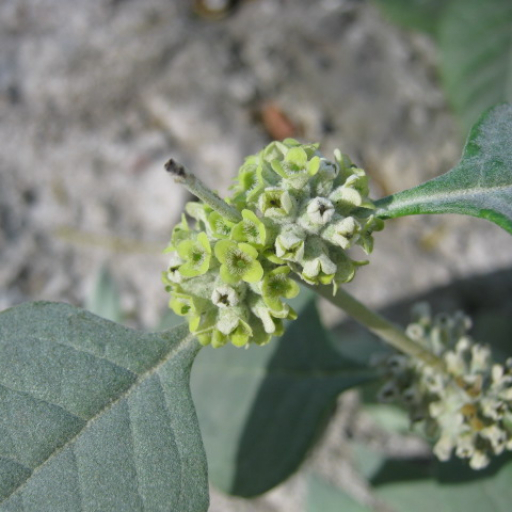
- 🌼 Globe-like Blooms: Tiny, pale yellow or greenish-white florets are packed into tight, round balls (glomerules) that sit directly on the stem without stalks.
- 🍃 Velvety Foliage: The lance-shaped leaves are covered in fine, silvery-grey hairs, giving the plant a soft, dusty appearance that helps it reflect intense sunlight.
- 🪵 Wild Structure: It is a multi-stemmed, semi-evergreen shrub that can grow quite "leggy" and tall, often reaching 10 to 15 feet if not maintained.
🏡 In Your Garden
- 🏜️ Drought Champion: This plant is a "Xeriscape" hero. It evolved in dry, rocky canyons and hillsides, meaning it actually prefers poor, well-draining soil over rich, soggy garden beds.
- 🦋 The Butterfly Effect: While humans might find the flowers subtle, butterflies and bees find them irresistible. It is an essential choice for a wildlife-friendly garden, providing nectar when other plants might be wilting.
- ✂️ Pruning Nuance: It primarily blooms on "old wood." If you prune it too aggressively in the late spring, you may accidentally cut off the season's flower buds. Aim for a light shaping immediately after the flowering season ends.
⚠️ Safety & Toxicity
- ✅ Generally Safe: Buddleja sessiliflora is not known to be toxic to humans, dogs, or cats. It is a safe addition to family backyards.
- 🧤 Skin Irritation: The fine, felt-like hairs on the leaves can occasionally irritate the skin or eyes of sensitive individuals during heavy pruning. Wearing gloves and long sleeves is recommended when handling large branches.
✨ Fun Fact
In various regions of Mexico, the Tepozán has been used for centuries in traditional medicine; the leaves were often applied as warm poultices to treat skin aches, and the durable wood was once used to craft sturdy tool handles!

Detailed Care Instructions
To grow Buddleja Sessiliflora (Wand Searing Bush) plant, you can follow these steps:
- Choose a suitable location: Select a spot in your garden that receives full sun to partial shade. Ensure it has well-draining soil.
- Prepare the soil: Loosen the soil using a garden fork or shovel. Remove any weeds or rocks from the area. You can add organic matter, such as compost, to improve soil fertility and drainage if necessary.
- Planting: Dig a hole slightly larger than the root ball of the plant. Carefully place the Buddleja Sessiliflora in the hole, making sure it sits at the same level as it was in the pot. Backfill the hole with soil, gently firming it around the roots.
- Watering: Water the plant thoroughly after planting to settle the soil and help the roots establish. Ensure the soil remains consistently moist but not waterlogged during the first growing season. Once established, the plant is tolerant of occasional dry periods.
- Mulching: Apply a layer of organic mulch, such as wood chips or bark, around the base of the plant to help retain soil moisture and suppress weed growth. Leave a small gap between the mulch and the stem to prevent rot.
- Pruning: Buddleja Sessiliflora generally benefits from regular pruning to maintain a compact shape and encourage new growth. Prune in late winter or early spring by cutting back one-third of the previous year's growth.
- Fertilizing: Apply a balanced slow-release fertilizer in spring to promote healthy growth. Follow the manufacturer's instructions for the correct application rate.
- Pest and disease control: Keep an eye out for common pests like aphids or spider mites. If infestations occur, use insecticidal soap or natural predators like ladybugs to control them. Minimize the risk of disease by providing adequate air circulation and avoiding overhead watering.
- Winter protection: In colder regions, where temperatures dip below freezing, provide winter protection by mulching around the base and covering the plant with burlap or a frost blanket.
By following these steps, you can successfully grow Buddleja Sessiliflora in your garden. Remember to adapt these guidelines to your specific location and climate conditions.

Place in a bright room that is sun drenched almost all day. Or directly in a south-facing window.

When watering this shrub, it is important to ensure that the soil is moist but not waterlogged. Allow the top layer of soil to dry out slightly before watering again. It is best to water deeply once or twice a week rather than shallowly and frequently. When watering, aim to water the soil around the base of the plant, rather than watering the leaves or flowers. Avoid getting the foliage wet, as this can lead to fungal diseases. During periods of drought, it may be necessary to increase watering frequency to prevent the plant from becoming stressed.
To fertilize this plant, use a balanced fertilizer with equal parts nitrogen, phosphorus, and potassium. Apply the fertilizer in the spring, just before the active growing season, and then again in mid-summer. Spread the fertilizer evenly around the base of the plant and water thoroughly to ensure the nutrients are absorbed. Do not over-fertilize as this may cause excessive growth and reduce the plant's overall health.
For Buddleja Sessiliflora plants, it is recommended to use a well-draining soil that is rich in organic matter. A mixture of coarse sand, sphagnum moss, and peat can create a suitable soil composition. The soil pH should be slightly acidic, ranging between 5.5 to 6.5. It is important to ensure that the soil is moist but not waterlogged, as Buddleja Sessiliflora plants do not tolerate wet or boggy conditions. A layer of mulch can be added to the soil surface to help retain moisture and regulate soil temperature. Additionally, regular fertilization with balanced N-P-K fertilizer can promote healthy growth and flowering.
There are a few different methods for propagating this plant. One popular method is to take softwood cuttings in the spring or early summer. To do this, select a healthy stem and cut it just below a leaf node. Strip the leaves from the lower half of the stem, leaving just a few at the top. Dip the cut end of the stem into rooting hormone powder and then plant it in a pot filled with well-draining soil. Keep the soil moist and place the pot in a location with bright, indirect light. After a few weeks, the cutting should start to root and new growth should appear.
Another option is to propagate the plant by layering. To do this, select a healthy branch and bend it down to the ground. Make a small cut in the underside of the branch where it touches the ground, being careful not to detach it from the plant. Cover the cut with soil and keep it moist. After a few weeks, roots should start to grow from the cut and you can then detach the new plant from the parent plant and transplant it to a new location.
Finally, you can also propagate this plant by dividing the root ball. This is best done in the fall or early spring, when the plant is not actively growing. Dig up the plant and carefully separate the roots into smaller sections, making sure that each section has at least one healthy stem. Replant the divisions in well-draining soil and water them thoroughly.








