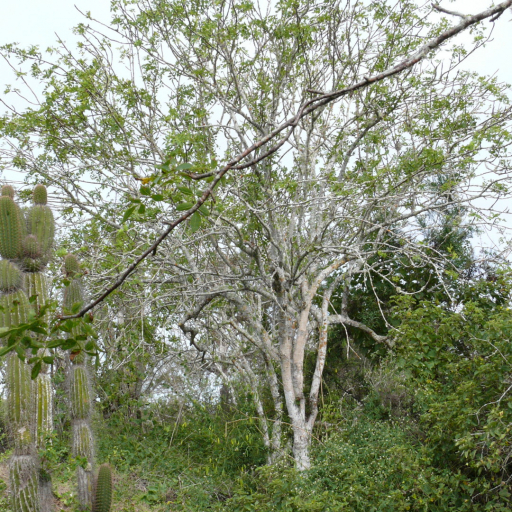
Plant Overview
Often called "Holy Wood," Bursera graveolens is a mystical tree native to the dry tropical forests of Central and South America. For centuries, its resin-soaked wood has been used in spiritual ceremonies to clear negative energy and invite tranquility into the home. As a close relative of Frankincense and Myrrh, this tree is prized not for showy flowers, but for the grounding, citrusy scent locked deep within its rugged bark.
🔍 How to Identify
- 🌿 The Leaves: It features feathery, pinnate leaves that grow in small clusters; they are a vibrant green but often drop during the dry season to conserve water.
- 🪵 The Trunk: The bark is smooth, thin, and greyish-white, often appearing "bony" or gnarled in older specimens, giving the tree a prehistoric silhouette.
- 👃 The Scent: The most distinct identifier is the aroma—even a small scratch on a twig releases a complex fragrance of lemon, mint, and toasted pine.
🏡 In Your Garden
- ☀️ Sun Seeker: This tree thrives in intense, full sun and mimics the conditions of a dry tropical forest, making it incredibly drought-tolerant once established.
- 🏜️ Drainage is King: It is highly sensitive to "wet feet." If you are growing it in a container, use a sandy, porous cactus-like soil mix to prevent the roots from suffocating.
- ⏳ Scented Maturity: Interestingly, the aromatic oils only concentrate and "ripen" after a branch or tree has died naturally. Freshly cut living wood does not possess the same therapeutic fragrance as aged, fallen timber.
⚠️ Safety & Toxicity
- 🐾 Pet Safety: While the wood is generally non-toxic to the touch, the high concentration of essential oils (limonene) can cause stomach upset if chewed on by curious dogs or cats.
- 💨 Smoke Sensitivity: When the wood is burned as incense, ensure the room is well-ventilated. People with asthma or respiratory sensitivities should avoid inhaling the direct smoke to prevent lung irritation.
✨ Fun Fact
- ✨ Spiritual Patience: Traditional harvesters in Ecuador and Peru believe the tree’s spirit only offers its medicinal gifts after a natural death. They traditionally wait 3 to 10 years after a tree falls naturally before harvesting, as this time on the forest floor is what allows the "holy" oils to fully manifest.

Detailed Care Instructions
To grow Bursera Graveolens, also known as Palo Santo, follow these steps:
- Obtain seeds or seedlings: Purchase seeds or seedlings from a reputable nursery or online supplier. Make sure they are fresh and viable.
- Choose the right location: Palo Santo thrives in warm and arid climates. It prefers full sun but can tolerate partial shade. Ensure that the soil is well-draining and sandy.
- Prepare the soil: Mix sand and compost into the soil to improve drainage and fertility. Avoid heavy clay soils that retain too much moisture.
- Plant the seeds or seedlings: If using seeds, soak them overnight in water to improve germination rates. Sow the seeds in pots or directly in the ground, burying them about half an inch deep. If using seedlings, dig a hole large enough to accommodate the root ball and gently place the seedling in it.
- Watering: Initially, provide regular and consistent watering to establish the plants. However, once established, Palo Santo is quite drought-tolerant and prefers dry conditions. Water sparingly, allowing the soil to dry out between watering.
- Pruning: Palo Santo plants may benefit from occasional pruning to maintain their shape and remove dead or damaged branches. However, avoid excessive pruning as it can stress the plant.
- Protection from frost: Palo Santo is sensitive to frost, so if you live in a region with cold winters, protect the plant by covering it or bringing it indoors when temperatures drop below freezing.
- Pest and disease control: Palo Santo is generally resistant to pests and diseases. However, occasionally, it may be susceptible to mealybugs, spider mites, or fungal infections. Monitor your plants regularly and take appropriate action if any issues arise.
- Harvesting: Palo Santo wood is highly valued for its aromatic properties. Harvesting occurs when the branches fall naturally from the tree. Allow the harvested wood to dry for a few weeks before using it for its aromatic purposes.
Remember, growing Palo Santo requires patience, as it can take several years for the plant to mature and begin producing fragrant wood.

Place in a bright room that is sun drenched almost all day. Or directly in a south-facing window.
To water the plant in question, you should first check the soil moisture level by sticking your finger one inch into the soil. If the soil feels dry, it is time to water the plant. Fill a watering can or bucket with room temperature water and gently pour it at the base of the plant until water begins to run out of the drainage holes at the bottom of the container. Avoid getting water on the leaves as this can promote the growth of fungus or disease. The frequency of watering will depend on the environmental conditions and the size of the container, but it is generally recommended to water when the soil feels dry to the touch. During periods of extended drought or extreme heat, it may be necessary to increase the frequency of watering to keep the plant healthy.
To fertilize this plant, use a balanced NPK fertilizer with a ratio of 10-10-10. Apply the fertilizer during the growing season, which is typically in the spring and summer months. Mix the fertilizer with water according to the instructions on the label and apply it evenly to the soil surface around the plant. Avoid getting fertilizer on the leaves or stems as it may burn or damage them. Water the plant thoroughly after fertilizing to help distribute the nutrients into the soil.
Bursera Graveolens plant prefers to grow in well-draining, slightly acidic soil with a pH range of 5.5-6.5. The ideal soil for this plant should not retain water for long periods as it may lead to root rot, thus a mix of sand and perlite may be used to improve drainage. Additionally, it is important to ensure that the soil is rich in nutrients. Therefore, a soil mixture that includes compost or worm castings will provide the necessary nutrients essential for a healthy growth of the plant. Overall, the best soil for Bursera Graveolens should be well-draining, slightly acidic, and rich in nutrients.
To propagate this plant, first cut healthy stem and leaf segments from a mature plant. Then, treat the cuttings with a rooting hormone to encourage root growth. Next, place the cuttings in well-draining soil in a warm and humid environment, such as a greenhouse or enclosed space with high humidity. Water the cuttings regularly and keep them in indirect sunlight until they develop roots and begin to grow. Once they have grown enough, the cuttings can be transplanted to larger containers or outdoor locations where they will continue to thrive.








