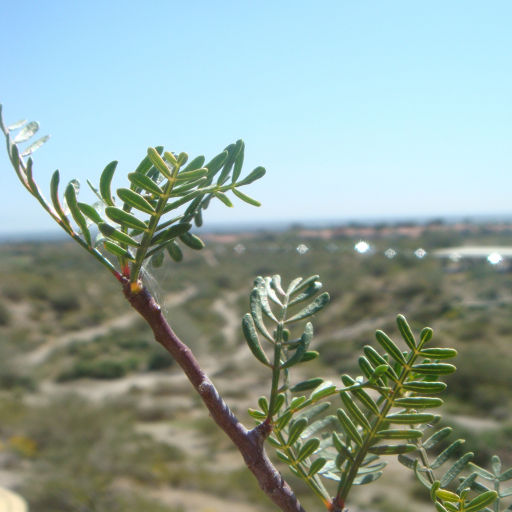
Plant Overview
Often called the "Elephant Tree" or "Torote," Bursera microphylla is a charismatic survivor of the Sonoran Desert. With its swollen, prehistoric-looking trunk and papery, peeling bark, it looks like a miniature ancient tree even when young. It has been revered for centuries by Indigenous cultures for its aromatic resins, which carry the refreshing scent of pine and citrus.
🔍 How to Identify
- 🐘 The Trunk: A thick, "fat" trunk (pachycaul) that stores water, giving it an elephant-like appearance. The bark is white or cream and peels away in thin, papery flakes to reveal a green layer underneath that can actually photosynthesize.
- 🌿 The Foliage: Tiny, delicate leaflets arranged in pairs along a central stem. These leaves are drought-deciduous, meaning the plant may drop them during dry spells to conserve energy.
- 💧 The Resin: If a leaf is crushed or the bark is nicked, it releases a clear, highly aromatic sap that smells like a blend of tangerine and cedar.
🏡 In Your Garden
- ☀️ Sun Worshiper: This plant evolved for the intense heat of Arizona and Baja; it thrives in the hottest spot in your garden and will struggle if kept in the shade or high humidity.
- 🏜️ Drainage is Vital: Because it stores so much moisture in its trunk, it is highly susceptible to root rot. It requires a very gritty, sandy soil mix and should be allowed to dry out completely between waterings.
- ❄️ Frost Warning: Despite its rugged looks, it is very tender to the cold. Even a light freeze can damage the succulent branches, so growers in cooler climates should keep it in a pot to be moved indoors during winter.
⚠️ Safety & Toxicity
- 🧴 Mild Irritant: The plant is generally non-toxic, but the sticky resin can cause "contact dermatitis" (skin rashes) in sensitive individuals.
- 🐾 Pet Safety: It is not known to be poisonous to cats or dogs, though the bitter taste of the resin usually prevents any curious pets from trying to eat it.
✨ Fun Fact
✨ Sacred Lineage: The Elephant Tree is a close botanical relative of Frankincense and Myrrh. The resin harvested from its bark has been used for generations as a traditional medicine to treat everything from stings to headaches, and as a sacred incense in desert ceremonies.

Detailed Care Instructions
To grow Bursera microphylla (also known as the Elephant Tree or Torchwood), follow these steps:
- Location: Choose a suitable location for planting the tree. Bursera microphylla requires full sun exposure, so select an area in your garden that receives at least 6 hours of direct sunlight per day.
- Soil: The tree prefers well-draining soil, so it's important to prepare the planting area accordingly. Add organic matter such as compost to the soil to improve its drainage and fertility.
- Watering: Bursera microphylla is a drought-tolerant plant but benefits from occasional deep watering. In the early stages, water the tree regularly to help with its establishment, but avoid overwatering as it can cause root rot.
- Propagation: You can grow Bursera microphylla from either seeds or cuttings. If using seeds, soak them in water for 24 hours before planting them in pots or directly in the garden soil. Keep the soil consistently moist until the seedlings emerge. For cuttings, take a healthy stem cutting and dip it in rooting hormone. Place the cutting in a well-draining potting mix and water it regularly until it roots.
- Pruning: Prune the Bursera microphylla tree lightly to maintain its shape and remove any dead, damaged, or diseased branches. However, avoid heavy pruning, as the tree has a unique and attractive shape naturally.
- Fertilization: The plant doesn't require frequent fertilization, but you can provide a balanced slow-release granular fertilizer in early spring to boost its growth.
- Protecting from frost: Bursera microphylla is sensitive to frost, so if you reside in a region with cold winters, protect the tree by covering it or moving it indoors during freezing temperatures.
- Pests and diseases: The Elephant Tree is generally resistant to pests and diseases. However, keep an eye out for common garden pests like aphids, spider mites, or scale insects. Regular inspection and appropriate treatment, if needed, should keep them under control.
Remember to regularly monitor your Bursera microphylla tree's growth, providing it with the care it needs to maintain its health and beauty.

Place in a bright room that is sun drenched almost all day. Or directly in a south-facing window.

The plant in question should be watered deeply, ensuring that the soil is moist but not waterlogged. The frequency of watering will depend on the specific growing conditions, such as the temperature, humidity, and level of sunlight. It's important to allow the top layer of soil to dry out before watering again to avoid over-watering. When watering, aim to direct the water near the roots of the plant without getting water on the leaves. This can be achieved by watering at the base of the plant or by using a watering can or hose with a nozzle attachment. Additionally, it's important to use well-draining soil and to avoid allowing the plant to sit in standing water.
To fertilize this plant, mix a balanced fertilizer with equal amounts of nitrogen, phosphorus, and potassium. Apply the fertilizer to the soil around the plant's base every two to three months during the growing season. Water the plant generously after fertilizing to ensure the nutrients reach the roots. Avoid over-fertilizing, as this can harm the plant and result in excessive growth.
The ideal soil for this plant would be well-draining and slightly acidic. It should be a mix of organic matter, such as compost, and sand or perlite to promote good drainage. A pH range between 6.0 and 7.0 is recommended. Additionally, the soil should have good aeration and be able to retain moisture without becoming waterlogged. It is important to avoid soil containing high levels of salts or heavy metals, as this plant is sensitive to these substances. Finally, it is recommended to use a potting mix specifically intended for cacti or succulents.
To propagate this plant, first identify a healthy and vigorous parent plant with strong stems and well-formed leaves. Cut a stem with several leaves using a sharp, sterilized pruning shear. Remove the lower leaves from the stem, ensuring that the remaining leaves are not in contact with the soil. Dip the cut end of the stem into rooting hormone powder. Plant the stem in a shallow pot or tray filled with moist compost. Cover the pot with a clear plastic bag or a propagator lid to maintain high humidity. Keep the pot in bright, indirect sunlight and maintain moist but not waterlogged soil. Mist the leaves regularly to keep them hydrated. After 4-8 weeks, check for new roots by gently tugging the stem. If it resists being pulled, it has developed roots and can be transplanted to a larger container or planted outside in a suitable site.
Common pests of the elephant tree include Scale insect, mealybugs, spider mites, thrips. Make a habit of checking your elephant tree frequently for pests so that any infestations can be caught and managed early.








