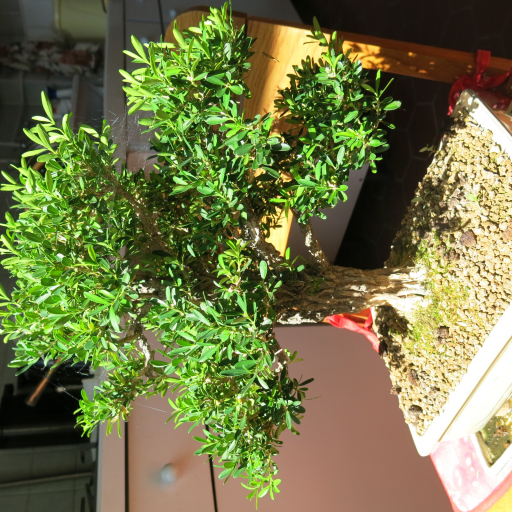
Plant Overview
Often called the Harland Boxwood, this elegant evergreen is a slow-growing masterpiece favored by bonsai artists and garden designers alike. Originating from the rocky stream banks of China, it is prized for its rugged, "ancient" looking bark and delicate, narrow foliage. It’s the perfect choice for those who want a structured, refined look without the aggressive growth of traditional hedging plants.
🔍 How to Identify
- 🌿 Slender Leaves: Unlike the rounded leaves of the common Boxwood, these are narrow, elongated, and have a distinct notch at the tip.
- 🪵 Corky Bark: One of its most striking features is its yellowish-brown bark, which becomes deeply fissured and "corky" as the plant ages, giving young plants a mature, weathered appearance.
- 🌼 Subtle Blooms: In early spring, it produces tiny, fragrant, creamy-yellow clusters of flowers that, while visually modest, attract early pollinators.
🏡 In Your Garden
- 💧 Drainage is Non-Negotiable: Because it naturally grows near water but among rocks, it craves humidity but will quickly succumb to root rot if sitting in soggy soil. Always use a gritty, well-draining potting mix.
- ✂️ The Patient Grower: This is a slow-growing species. While it takes pruning well, it doesn't "bounce back" as quickly as other shrubs, so it’s best to prune lightly and thoughtfully to maintain its compact, mounded shape.
- 🌤️ Light Nuance: While it can tolerate full sun, the leaves may "bronze" or turn slightly orange-brown in extreme summer heat. Providing afternoon shade keeps the foliage a vibrant, deep green.
⚠️ Safety & Toxicity
- 🚫 Toxic to Pets: Like all members of the Buxus family, Harland Boxwood contains steroidal alkaloids. If ingested by dogs, cats, or horses, it can cause vomiting, diarrhea, and in rare cases, respiratory distress.
- 🧤 Skin Sensitivity: The sap can be a mild skin irritant for some people. It is a good idea to wear gloves when performing heavy pruning or shaping.
✨ Fun Fact
The wood of the Boxwood is so incredibly dense and fine-grained that it was historically the primary material used for high-quality woodblock printing and intricate carvings—it is one of the few woods heavy enough to sink in water!

Detailed Care Instructions
To grow Buxus harlandii, also known as Harland boxwood, you can follow these steps:
- Climate: Ensure that your climate is suitable for growing Buxus harlandii. It thrives in USDA hardiness zones 6 to 9, which generally have mild, cool winters and warm summers.
- Location: Choose a location with partial shade to full sun exposure. The plant can tolerate shade but prefers some sunlight for optimal growth.
- Soil preparation: Prepare the soil by ensuring it is well-drained and fertile. Buxus harlandii prefers soil with a slightly acidic to neutral pH. If your soil is heavy and compacted, improve it by adding organic matter like compost or well-rotted manure.
- Planting time: The best time to plant Buxus harlandii is in spring or early fall when the weather is mild. This allows the roots to establish before the extremes of summer or winter.
- Planting process: Dig a hole that is wider and slightly deeper than the root ball of the plant. Gently remove the plant from its container and loosen the roots. Place it in the hole, ensuring the top of the root ball is slightly above ground level. Backfill with soil, gently firming it around the roots.
- Watering: Water the newly planted Buxus harlandii thoroughly after planting to settle the soil and provide moisture to the roots. Keep the soil moist but not waterlogged during the first year of growth. Water deeply once or twice a week, depending on the weather conditions.
- Fertilizing: Apply a balanced, slow-release fertilizer specifically formulated for shrubs in early spring. Follow the package instructions for proper application rates. Alternatively, you can fertilize with organic matter like compost or well-rotted manure.
- Pruning and shaping: Buxus harlandii is popularly used for topiary and hedging due to its dense growth habit. Regular pruning can help maintain its desired shape and size. Perform minor pruning throughout the growing season to control growth and remove any dead or damaged branches.
- Pests and diseases: Keep an eye out for common pests like boxwood leafminer, boxwood mites, and boxwood psyllids. Regularly inspect the plant for any signs of infestation or disease. If detected, treat with appropriate insecticides or consult a garden professional for advice.
- Mulching: Apply a layer of organic mulch around the base of the plant, leaving a gap around the stem to prevent moisture-related diseases. Mulch helps retain soil moisture, suppresses weeds, and regulates soil temperature.
By following these steps and providing proper care, your Buxus harlandii plant should thrive and grow into a beautiful addition to your garden.

Place in a bright room that is sun drenched almost all day. Or directly in a south-facing window.

To properly water this plant, ensure that the soil is slightly moist but not waterlogged. It is important to check the soil frequently, especially during hot and dry weather, as it can quickly dry out. Watering should occur at the base of the plant to avoid wetting the foliage, which can lead to disease and pest problems. The frequency of watering will depend on factors such as temperature, humidity, and soil type, so it is recommended to adjust based on the plant's needs. Avoid over-watering, as this can lead to root rot and ultimately harm the plant.
- Choose a balanced, slow-release fertilizer formulated for evergreen shrubs.
- Apply the fertilizer in early spring and again in late summer or early fall.
- Use a granular fertilizer and sprinkle it evenly around the base of the plant.
- Water the plant thoroughly to help distribute the fertilizer.
- Avoid fertilizing during the winter months, as the plant is dormant and doesn't require extra nutrients.
- Follow the instructions on the fertilizer packaging for the appropriate amount to use based on the size of your plant.
- Monitor the plant for signs of nutrient deficiency, such as yellowing leaves or stunted growth, and adjust the fertilizing schedule as needed.
The ideal soil for this plant should be well-draining and rich in organic matter. It should not be too heavy or clayey, as this can lead to poor drainage and waterlogging. A soil pH of around 6.5 to 7.5 is optimal for this species. Additionally, the soil should be moist but not waterlogged, as overwatering can lead to root rot. A good quality potting mix, combined with perlite or sand to improve drainage, can make a suitable soil mix for this plant. Fertilizer can also be added periodically to support the growth and health of the plant.
To propagate this plant, you will need to take cuttings from the parent plant. Choose a healthy and mature stem, typically 4-6 inches long. Using sharp, sterilized snippers, make a clean cut below a node.
Remove the leaves from the bottom half of the stem, leaving only two or three sets of leaves at the top. Dip the cut end into rooting hormone, if desired.
Insert the cutting into a pot filled with well-draining potting soil. Water the soil thoroughly and cover the pot with a plastic bag to create a humid environment. Place the pot in bright, indirect light.
Check the soil regularly and water as needed to keep the soil moist but not soggy. After a few weeks, remove the plastic bag and check for roots. Once roots have formed, the cutting can be transplanted into a larger pot or outdoor location.
Common pests of the harland's boxwood include Spider mites. Make a habit of checking your harland's boxwood frequently for pests so that any infestations can be caught and managed early.








