Plant Overview
Often called the "Yellow Fanwort," Cabomba aquatica is the underwater equivalent of a delicate lace curtain. Originating from the slow-moving rivers and lakes of South America, it has become a legendary choice in the aquascaping world for its ethereal, feathery texture. It transforms a standard aquarium into a lush, sunken forest where small fish and shrimp love to play hide-and-seek.
🔍 How to Identify
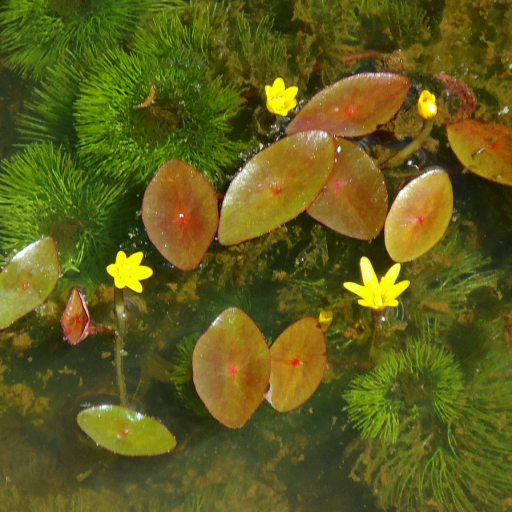
- 🌿 Feathery Foliage: The underwater leaves are finely divided into many needle-like segments that branch out into a distinct, symmetrical fan shape.
- 🌼 Surface Blooms: When the plant reaches the water's surface, it produces small, diamond-shaped floating leaves and tiny, bright yellow flowers with three petals.
- 📏 Brittle Stems: The stems are long and can be green to reddish-brown. They are notoriously fragile and can snap easily if handled roughly or caught in a strong current.
🏡 In Your Aquarium (Garden)
- ☀️ Light Hungry: This plant is a "light hog." Without intense lighting, the lower sections will quickly turn yellow and drop their leaves, leaving the plant looking "leggy" and bare at the bottom.
- 🧪 Stability is Key: It thrives best in soft, slightly acidic water. It is a bit of a diva regarding water chemistry; sudden shifts in pH or temperature can cause the plant to "melt" or shed its fans overnight.
- ⚓ Delicate Anchoring: Since it has a very weak root system, it’s best to plant the stems in groups in a fine substrate. Avoid moving it once planted, as it hates being transplanted and takes a long time to recover.
⚠️ Safety & Toxicity
- 🐾 Safe for Pets: Cabomba aquatica is completely non-toxic to fish, aquatic snails, and shrimp. It is also safe for curious household cats or dogs who might take a sip from the tank.
- 🚫 Environmental Warning: Never discard this plant in local ponds, lakes, or drains. It is highly invasive in many parts of the world, where it can grow rapidly and choke out native aquatic ecosystems.
✨ Fun Fact
Cabomba is a superstar at "pearling." Under high light and CO2, you can actually see tiny bubbles of pure oxygen forming on the tips of its feathery leaves, making the plant look like it has been decorated with shimmering pearls.

Detailed Care Instructions
To grow Cabomba Aquatica successfully, follow these steps:
- Start with healthy plants: Purchase healthy, well-rooted Cabomba Aquatica specimens from a reputable aquarium shop or online seller.
- Lighting: Provide appropriate lighting for your plants. Cabomba Aquatica requires moderate to high levels of light (around 2-3 watts per gallon of water) to thrive. Use fluorescent or LED aquarium lights specifically designed for planted tanks.
- Substrate: Use a nutrient-rich substrate such as Aquasoil or similar planting substrates specifically formulated for aquatic plants. This will provide the necessary nutrients for the Cabomba Aquatica.
- Water parameters: Maintain stable water conditions. Cabomba Aquatica prefers a pH range between 6.5 and 7.5, and a water temperature between 68-82°F (20-28°C). Regularly monitor water parameters and make necessary adjustments to create a suitable environment.
- Fertilization: Supplement the substrate with root fertilizers or fertilization tablets designed for aquarium plants. Additionally, you can provide liquid fertilizers specifically formulated for aquatic plants on a weekly basis.
- CO2 injection: Consider injecting CO2 into the aquarium water. Cabomba Aquatica benefits from additional carbon dioxide, which aids in their growth and overall health. If you choose to use CO2 injection, ensure you monitor the levels to avoid overdosing or causing harm to fish.
- Water circulation: Provide adequate water circulation to prevent stagnation and potential algae growth. Use a filter and aquarium pump to ensure proper circulation and distribution of nutrients.
- Pruning: Regularly prune the Cabomba Aquatica plant to prevent overcrowding and promote healthy growth. Trim any yellowed or damaged leaves. Additionally, it helps to replant the cuttings to propagate new plants.
- Algae control: Maintain a proper balance of lighting, nutrients, and CO2 to minimize algae growth. Regular water changes and manual removal of any visible algae can help keep it under control.
Remember that the growth rate of Cabomba Aquatica can vary based on the conditions provided, and patience is key. With proper care, Cabomba Aquatica can grow quickly and create a beautiful underwater scenery in your aquarium.
To effectively hydrate the Cabomba Aquatica plant, you can follow these care instructions:
- Choose a suitable container: Select a spacious aquarium or a large fish tank with a capacity of at least 10 gallons. Ensure that the container has enough room for the plant to grow.
- Proper lighting: Place the container in a well-lit area that receives moderate to high levels of indirect sunlight. Consider using artificial lighting if natural light is insufficient.
- Water quality: Cabomba Aquatica thrives in clean, soft, and slightly acidic water conditions. Use filtered or dechlorinated water to provide the best environment for the plant. Avoid using tap water directly as it may contain chlorine or other chemicals harmful to the plant.
- Water temperature: Maintain the water temperature between 72-82°F (22-28°C). Cabomba Aquatica prefers warm water, and providing this temperature range will promote healthy growth.
- Watering frequency: Cabomba Aquatica is an aquatic plant and requires constant submersion in water. Ensure that the plant is completely submerged, with its leaves and stem underwater. Check the water level regularly to prevent it from drying out. Maintain a consistent water level by topping up as needed.
- Fertilization: Cabomba Aquatica benefits from regular fertilization to promote growth. Use a liquid or substrate fertilizer formulated specifically for aquatic plants. Follow the recommended dosage instructions and apply the fertilizer according to the package guidelines.
- Water circulation: Provide gentle water movement in the tank to prevent stagnant water and promote oxygenation. This can be achieved by using a filtration system or an air pump with an airstone.
- Monitoring and Maintenance: Regularly inspect the plant for any signs of decay, discoloration, or diseases. Remove any dead leaves or decaying plant matter promptly to maintain a healthy environment. If the plant becomes too large or overgrown, it may need pruning to encourage new growth.
By following these guidelines, you can ensure that your Cabomba Aquatica plant receives adequate water and thrives in its aquatic habitat.
To ensure optimal growth and health of the Cabomba Aquatica plant, follow these fertilizing instructions:
- Choose a liquid fertilizer specifically formulated for aquarium plants. Read and follow the manufacturer's instructions for dosage and application frequency.
- Prior to adding fertilizer, perform a partial water change of about 20-30% to remove any accumulated waste or debris in the aquarium.
- Shake the fertilizer bottle well before use to ensure proper mixing of the nutrients.
- Add the recommended dosage of liquid fertilizer to the aquarium water. It is often advised to start with a smaller dose and gradually increase it over time to avoid nutrient imbalances or algae growth.
- Ideally, fertilize the Cabomba Aquatica plant once a week. However, some fertilizers may require more frequent or less frequent dosing, so refer to the instructions on the product for precise scheduling.
- Distribute the fertilizer evenly throughout the water, avoiding concentration in one area. This allows all plants to benefit from the nutrients.
- Observe the plant's response to the fertilizer. If you notice excessive algae growth, reduce the fertilizer dosage or frequency. On the other hand, if the plant's growth is slow or weak, consider slightly increasing the dosage.
- Regularly monitor water parameters such as ammonium, nitrate, and phosphate levels to ensure they remain within suitable ranges for aquatic plants.
Remember, these instructions are specific to the Cabomba Aquatica plant, and it is always recommended to research and understand the specific needs of any plant species before fertilizing to ensure its success in your aquarium.
When choosing the appropriate soil for the Cabomba Aquatica plant, it is important to consider its specific needs and requirements. It is recommended to opt for a nutrient-rich substrate that provides a good foundation for the plant's growth. This substrate should be loose and light, allowing for easy root development and water circulation.
The preferred soil for Cabomba Aquatica should be loose and well-draining to prevent waterlogging and ensure proper aeration. Avoid heavy clay or compacted soils that may hinder root growth and water movement. Instead, choose a substrate that consists of a mix of materials such as fine gravel, sand, and clay particles.
In terms of nutrient content, the soil should be rich in organic matter and minerals necessary for the plant's growth and overall health. This can be achieved by adding organic fertilizers and supplements to the substrate. Organic matter can come from decomposed plant material or specialized aquarium fertilizers in the form of pellets or liquid solutions.
Additionally, the pH level of the soil should be within the suitable range for the Cabomba Aquatica plant, usually slightly acidic to neutral. This can be achieved by choosing a soil or adjusting the pH with specialized products designed for aquarium use.
To summarize, when selecting soil for the Cabomba Aquatica plant, look for a loose and well-draining substrate that is rich in organic matter and nutrients. Avoid heavy, compacted soils and ensure the pH level is appropriate for the plant's needs.
To propagate Cabomba Aquatica, you can follow these steps:
- Start by selecting a healthy and mature Cabomba Aquatica plant. Look for a plant that has a strong and vibrant color, with no signs of damage or disease.
- Carefully trim off a healthy stem from the parent plant using sharp, sterilized scissors or pruning shears. Make sure to cut the stem just above a leaf node or leaf axil, which is where the leaf meets the stem.
- Remove any lower leaves from the stem, leaving only a few leaves at the top. This will help to reduce the demand for nutrients while the plant focuses on root growth.
- Prepare a suitable container for root growth, such as a small pot or a propagation tray. Fill it with a nutrient-rich substrate, such as aquatic soil or a mixture of fine gravel and peat moss.
- Plant the Cabomba Aquatica stem into the substrate, ensuring that it is securely anchored but not buried too deep. The topmost node or leaf axil should be slightly exposed above the substrate.
- Provide ideal growing conditions for the plant. Cabomba Aquatica prefers moderate to bright light, so place it in a well-lit area near a window or invest in suitable aquarium lighting. Maintain the water temperature between 72-82°F (22-28°C) and ensure good water circulation.
- Properly care for the propagated plant. Regularly check the water quality and maintain a pH level between 6.5 and 7.5 to ensure optimal growth. Fertilize the plant with a suitable aquatic plant fertilizer according to the package instructions.
- Within a few weeks, you should start to see new roots forming from the exposed node or leaf axil. This indicates successful propagation. Continue to care for the plant, ensuring it receives proper lighting, nutrients, and water conditions.
- Once the new roots are well-developed and substantial, it is safe to separate the newly propagated Cabomba Aquatica from the parent plant. Gently remove it from the substrate, taking care to avoid damaging the fragile roots.
- Transplant the new Cabomba Aquatica plant into its permanent location, such as a new pot or directly into the aquarium. Make sure to provide suitable growing conditions, as mentioned before, to ensure the plant's continued healthy growth.
Remember to monitor the plant regularly for signs of stress, disease, or nutrient deficiencies, and take appropriate actions to address any issues promptly.








