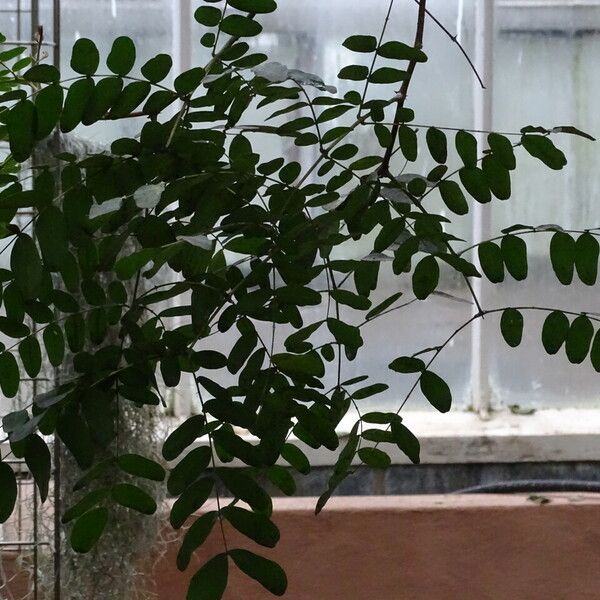
Plant Overview
The Cascalote is Mexico’s golden gift to dry landscapes. Often regarded as the "sculptural cousin" of the Bird of Paradise, this hardy tree is celebrated for its brilliant canary-yellow winter blooms and its ability to thrive in punishing heat. Whether it is used as a focal point or a natural security barrier, it brings a rugged, desert-chic elegance to any setting.
🔍 How to Identify
- 🌿 Fern-like Foliage: The leaves are bipinnate and deep green, creating a soft, feathery texture that contrasts beautifully with its rugged bark.
- ☀️ Golden Spires: In late fall and winter, it produces upright, pyramidal clusters (racemes) of bright yellow flowers that look like glowing torches against the sky.
- 🛡️ Prickly Armor: The branches and trunk are typically studded with stout, rose-like thorns. However, there is a popular thornless cultivar known as 'Smoothie' for those who prefer a "friendlier" touch.
🏡 In Your Garden
- 🏜️ The Taproot Strategy: The Cascalote develops a deep taproot early in life, making it exceptionally drought-tolerant but very difficult to move once planted. Choose its forever home carefully to avoid transplant shock.
- 🦋 A Winter Feast: Because it blooms when many other plants are dormant, it serves as a critical nectar station for hummingbirds and late-season butterflies seeking a winter snack.
- 💨 Structural Resilience: It handles wind well and loves the sun. It prefers well-draining, gritty soil; "wet feet" is the quickest way to stress this desert native.
⚠️ Safety & Toxicity
- 🌵 Physical Hazard: The primary safety concern is the sharp thorns. If you have the standard variety, plant it at least 6–8 feet away from walkways and play areas to prevent accidental scratches.
- 🐾 Seed Pods: While not considered deadly, the seed pods are high in tannins. They should not be ingested by pets or children, as they can cause mild stomach upset or nausea.
✨ Fun Fact
In its native regions of Mexico, the Cascalote was historically a "worker" plant. Its seed pods are so rich in tannins that they were a primary source for the traditional leather tanning industry and were even used to create high-quality black dyes and inks.

Detailed Care Instructions

Place in a bright room that is sun drenched almost all day. Or directly in a south-facing window.

The presence of a dry surface layer of soil does not indicate that the plant requires water. Instead, stick your finger 1-2" (3-5 cm) deep in the soil to feel dampness or moisture content. If the soil seems dry, it's time to water your greens. If the soil is still moist, however, it is better not to water your plant and instead wait a day or two. Overwatering or waterlogging raises the risk of root rot. So if the soil takes longer than a week to dry, check the light conditions because it's likely that the plant isn't getting enough light. It's fine if the upper layer of soil is dry between waterings, but the deeper soil layer should always have some moisture.








