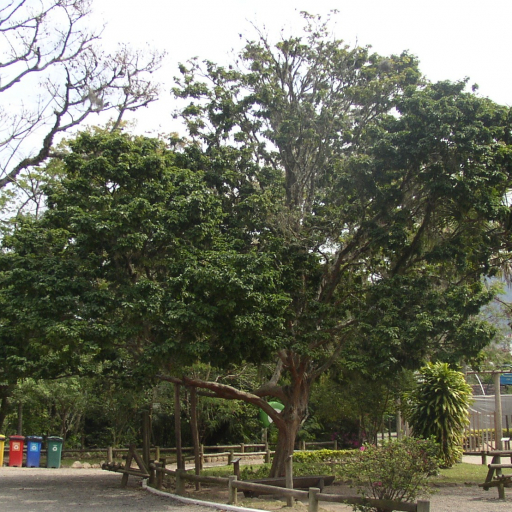
Plant Overview
The tree that gave a nation its name, the Brazilwood (Caesalpinia echinata) is a living piece of history. Once prized by European royalty for its "burning" red dye, it is known in its native home as Pau-brasil, a name derived from "brasa" (ember), referring to its fiery red heartwood. Today, it stands as a symbol of conservation and a majestic addition to tropical landscapes.
🔍 How to Identify
- 🌵 The Spiny Trunk: One of its most striking features is the trunk and branches, which are often covered in sharp, prickly thorns. This inspired its species name echinata, which means "hedgehog-like."
- 🌿 Lacy Foliage: It features bipinnate leaves that are a glossy, deep green. The leaflets are small and oval, creating a delicate, airy canopy that filters sunlight beautifully.
- 🌼 Fragrant Blooms: The tree produces clusters of bright yellow flowers. If you look closely, the uppermost petal usually has a distinct, small red blotch, acting as a "bullseye" for pollinators.
🏡 In Your Garden
- ☀️ Tropical Soul: This is a sun-loving species that thrives in warmth and humidity. It is a slow grower in its youth, so it won't overwhelm your garden overnight, but it requires a frost-free environment to survive.
- 🌳 Heritage Growth: Because it was over-harvested for centuries for its dye, it is now an endangered and protected species. Growing one is more than just gardening—it’s an act of botanical preservation.
- 🪵 Soil Nuance: It prefers well-draining, sandy or loamy soils. While it is quite drought-tolerant once its root system is established, it "hates cold feet" and will suffer in soggy, waterlogged ground.
⚠️ Safety & Toxicity
- 🛡️ Physical Warning: While the tree is not known to be chemically toxic to humans or pets, its sharp spines are a significant physical hazard. Plant it away from walkways where children or pets might run into it.
- 🚫 Seed Pods: As a member of the legume family, its seed pods are not for snacking. While not considered deadly, ingesting them can cause digestive discomfort or nausea.
✨ Fun Fact
Almost every professional violin bow in the world is made from the wood of this tree! Musicians call it "Pernambuco wood," and it is considered the only material with the perfect resonance, density, and flexibility to bring a violin's sound to life.

Detailed Care Instructions
Here are some steps you can follow to grow Caesalpinia Echinata plant:
- Obtain seeds or young seedlings: You can either purchase seeds or obtain seedlings from a reputable nursery or garden center.
- Choose a sunny location: Caesalpinia Echinata plants require full sun to thrive. Find a spot in your garden or outdoor space that receives at least six hours of direct sunlight daily.
- Prepare the planting area: Clear the planting area of any debris, weeds, or grass. Loosen the soil with a garden fork or tiller to improve drainage.
- Plant the seeds or seedlings: If using seeds, sow them according to the instructions provided. If using seedlings, dig a hole slightly larger than the root ball and carefully place the seedling in the hole. Gently firm the soil around the base of the plant.
- Water regularly: Caesalpinia Echinata plants prefer evenly moist soil. Water the plant deeply immediately after planting and then continue to water regularly, especially during hot and dry periods.
- Mulch around the plant: Apply a layer of organic mulch around the base of the plant to help retain soil moisture and control weed growth. Leave a small gap around the stem to prevent moisture buildup and potential rot.
- Provide support if necessary: Depending on the variety and growth habit of your Caesalpinia Echinata plant, you may need to provide some form of support like a stake or trellis to help it grow upright.
- Fertilize sparingly: Caesalpinia Echinata plants generally do not require heavy fertilization. Apply a balanced slow-release fertilizer in spring or early summer, following the package instructions for dosage.
- Prune as needed: Prune the plant as needed to maintain its desired shape and remove dead or damaged branches. Prune in late winter or early spring before new growth begins.
- Protect from frost: Caesalpinia Echinata plants are typically not frost-tolerant. If you live in a colder climate, consider growing the plant in a container that can be moved indoors during winter or provide appropriate frost protection measures.
Remember to regularly monitor the plant for any signs of pests or diseases, and take appropriate action if necessary. With proper care and attention, your Caesalpinia Echinata plant should thrive and grow successfully.

Place in a bright room that is sun drenched almost all day. Or directly in a south-facing window.

To water this plant, first, you should choose a well-draining soil mix that retains a bit of moisture. Before watering, always check the soil moisture by sticking your finger an inch into the soil. If it feels dry, it's time to water. Be sure to water thoroughly, using enough water to soak the root zone. Allow the soil to dry out slightly before the next watering, but don't let it completely dry out. In hot weather or dry indoor environments, you may need to water more frequently. Avoid getting water on the plant’s foliage, as this can lead to disease.
To fertilize this plant, it is recommended to use a balanced fertilizer with equal parts of nitrogen, phosphorus, and potassium. Apply the fertilizer once a month during the growing season, which is typically from spring to fall. Water the plant well before and after applying fertilizer to prevent any burning of the roots. Avoid over-fertilizing, as it can lead to excessive growth and weak stems. If the soil pH is too low or high, it can affect nutrient availability, so consider testing the soil and adjusting the pH as needed.
Caesalpinia Echinata plant benefits from soil that is well-draining and rich in organic matter. The soil should be slightly acidic to neutral with a pH range of 6.0 to 7.5. It is recommended to use a soil mix that contains a combination of sand, perlite, peat moss, and compost. The soil should not be too dense or heavy as it can lead to waterlogging and poor plant growth. A regular application of organic fertilizer can also help to improve the nutrient content of the soil and promote healthy growth of the plant.
Propagation of this plant can be achieved through various methods, such as taking stem cuttings, grafting, and seed propagation. For stem cutting propagation, it is important to select a healthy stem that is approximately 6-8 inches long and free from any diseases or pests. The bottom end of the stem should be trimmed at a 45-degree angle and dipped in rooting hormone before being planted in a well-draining soil mix. The cutting should be kept moist and in a warm, bright location until it begins to develop roots.
Grafting is another method of propagation that involves attaching a scion of the desired plant onto the rootstock of a related plant. This method can be more difficult than stem cutting propagation, but it can result in a stronger and more disease-resistant plant. Seed propagation is also possible with this plant, but it can be more challenging due to a low seed germination rate and a long germination period.
Overall, propagation of this plant requires patience and attention to detail to ensure successful growth and development.








