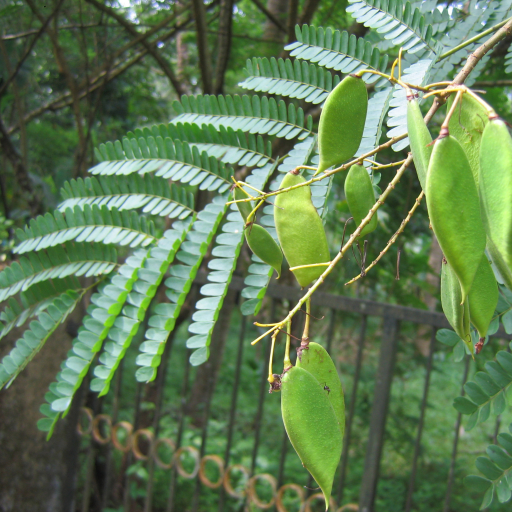
Plant Overview
Known as Sappanwood or "Indian Redwood," Caesalpinia sappan is a multipurpose legume tree that has colored history—literally. For centuries, its heartwood has been harvested to create brilliant red and orange dyes for royal garments and medicinal teas. Often called "Pathimugham" in Kerala, it is the secret behind the pink-tinted herbal water served in many South Asian homes.
🔍 How to Identify
- 🍂 Bipinnate Foliage: The leaves are large and feathery, composed of many small, oblong leaflets that give the tree a delicate, fern-like silhouette.
- ⚔️ Thorny Armor: Look closely at the trunk and branches; they are scattered with small, sharp, recurved prickles that serve as a natural defense.
- 🌼 Yellow Clusters: It produces upright clusters (racemes) of bright yellow flowers, each featuring five petals, with one petal often bearing a tiny splash of red at the base.
🏡 In Your Garden
- 🪵 Heartwood Value: While the tree is beautiful, its true "crop" is the wood. The red pigment, brazilin, only develops as the tree matures, usually requiring about 5 to 8 years before the heartwood is rich enough for harvest.
- ☀️ Sun & Space: This is a sun-loving tropical plant that thrives in well-drained soil. It is remarkably drought-tolerant once established, making it a "set it and forget it" tree for warm climates, provided you give it room to spread its thorny branches.
⚠️ Safety & Toxicity
- ✅ Safe for Consumption: The heartwood is widely used in traditional medicine and teas and is considered safe for human consumption in moderate amounts.
- 🐾 Physical Hazards: The primary safety concern isn't chemical, but physical. The sharp thorns can easily snag skin or fur, so it is best planted away from walkways where children or pets play.
- 🧪 Staining Potential: Be careful when handling the wood or boiling it; the dye is potent and will easily stain clothes, countertops, and light-colored porous surfaces.
✨ Fun Fact
The red pigment from this tree was so prized in the Middle Ages that when Portuguese explorers found a similar-looking tree in South America, they named the entire country "Brazil" after the wood (derived from brasa, meaning "ember" or "red").

Detailed Care Instructions

Place in a bright room that is sun drenched almost all day. Or directly in a south-facing window.

Water-loving plants flourish in wet or sloppy soil and near ponds. The extensive root system enables these plants to absorb plenty of water. The surface of the soil should be kept moist at all times. Place your pot in a container filled with water to guarantee that plants get enough water. If the ground becomes dry, it is recommended that you water it well. Plants in smaller pots will need to be watered more frequently. Water the soil in which the plant is standing thoroughly using a watering can.








