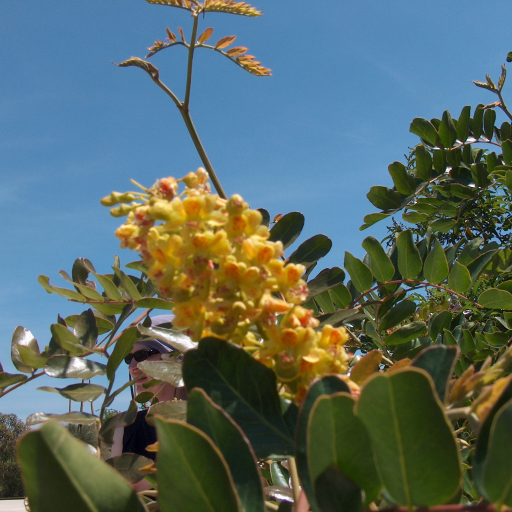
Plant Overview
Often called the "Green Gold of the Andes," Caesalpinia spinosa—commonly known as Tara—is a versatile, spiny shrub or small tree native to the dry valleys of Peru. While it looks like a delicate ornamental with its fern-like foliage, it is a powerhouse of survival, thriving in rocky soils where other plants wither. Historically, it has been prized for centuries by indigenous cultures for its medicinal properties and as a source of high-quality tannins.
🔍 How to Identify
- 🌿 Feathery Foliage: The leaves are bipinnate (double-divided), giving the tree a soft, lace-like appearance similar to a fern or a mimosa.
- 🌸 Sunset Blooms: It produces upright clusters of small, yellow-to-orange flowers that attract a variety of high-altitude pollinators.
- 🪵 Distinctive Pods: The most recognizable feature is the flat, oblong seed pods. They start out green, transition to a vibrant reddish-pink, and eventually dry into a deep leathery brown.
- 🌵 Spiny Protection: True to its name (spinosa), the branches are often armed with short, stout prickles that discourage grazing animals.
🏡 In Your Garden
- 💧 Drought Champion: This plant is an expert at water conservation. In a garden setting, it requires very little irrigation once established and is perfect for xeriscaping or "dry" gardening.
- 🌱 Soil Improver: As a member of the legume family, Tara has a symbiotic relationship with soil bacteria that allows it to "fix" nitrogen. This means it actually improves the quality of the soil it grows in, making it a great companion for neighboring plants.
- ☀️ Sun Seeker: It demands full sun and well-draining, even sandy soil. It hates "wet feet" (soggy roots), so ensure its location doesn't collect standing water during rainy seasons.
⚠️ Safety & Toxicity
- 🟢 Generally Safe: Tara is not considered a high-risk toxic plant for humans or pets in a typical garden setting.
- 👅 Astringent Warning: The seed pods are incredibly high in tannins. While not deadly, if a pet or child were to chew on the dry pods, the intense bitterness and astringency could cause mouth puckering or mild stomach upset.
- 🩹 Physical Hazards: The small spines on the branches can be sharp; it’s best to plant it away from high-traffic walkways where skin might brush against the bark.
✨ Fun Fact
You have likely eaten Tara without knowing it! The seeds contain a natural stabilizer known as Tara Gum, which is widely used in the food industry to give a creamy texture to ice creams, yogurts, and low-fat salad dressings.

Detailed Care Instructions
To grow a Caesalpinia Spinosa plant, also known as tara or spiny holdback, follow these steps:
- Obtain seeds or cuttings: You can purchase seeds or cuttings from a reputable nursery or online seed stores. Make sure to choose healthy and viable seeds or cuttings.
- Choose a suitable location: Caesalpinia Spinosa thrives in full sun to partial shade. Select a well-draining location with fertile soil or potting mix.
- Prepare the soil: If planting in the ground, loosen the soil to improve aeration and drainage. It is beneficial to amend the soil with organic matter like compost to promote healthy growth.
- Sow seeds or plant cuttings: If growing from seeds, sow them directly into the soil or start them indoors a few weeks before the last frost. Plant the seeds at a depth of about 1/4 inch and space them about 6-8 inches apart. If using cuttings, plant them directly in the soil or pots, ensuring that the bottom end is buried in the soil.
- Water appropriately: Caesalpinia Spinosa prefers moderate watering. Water the plant deeply once or twice a week, allowing the soil to dry out slightly between waterings. Be careful not to overwater, as this plant is susceptible to root rot.
- Provide regular care: Fertilize the plant with a balanced organic fertilizer every 4-6 weeks during the growing season. Prune the plant to maintain its shape and remove any dead or damaged branches. Protect the plant from extreme cold by covering it or bringing it indoors during frosty periods.
- Watch for pests or diseases: Caesalpinia Spinosa is generally not prone to serious pest or disease problems. However, keep an eye out for common pests like aphids, spider mites, or caterpillars. If necessary, treat with organic insecticides or insecticidal soap.
- Harvesting: Caesalpinia Spinosa produces seeds within its pods. The pods are typically harvested when they turn brown and dry out. Collect the pods and remove the seeds to be used for various purposes, such as dye production or as a coffee substitute.
With proper care and maintenance, your Caesalpinia Spinosa plant should grow and thrive, providing beauty and potential benefits for years to come.
To water this plant, it is important to provide enough moisture to keep the soil consistently damp. It is recommended to water deeply but infrequently, allowing the soil to partially dry out between waterings. It is also important to avoid overwatering, as this can lead to root rot. To achieve this, it may be helpful to allow the top inch of soil to dry out before watering. When watering, it is best to water at the base of the plant rather than the leaves to avoid fungal diseases. It is also recommended to use a well-draining soil mix to prevent waterlogging. Finally, it is important to consider the plant's environment when watering, as it may require more or less water depending on the temperature and humidity levels.
To promote healthy growth and flowering of the plant, apply a balanced fertilizer with equal amounts of nitrogen, phosphorus, and potassium. Use a slow-release formulation and apply according to the manufacturer's instructions. Fertilize during periods of active growth, which is typically in spring and summer. Avoid over-fertilization, as this can lead to excessive growth and reduced flowering. Remember to water the plant thoroughly after fertilizing to prevent salt buildup in the soil.
The soil for the Caesalpinia Spinosa plant should be well-drained and slightly acidic. The ideal pH level for the soil is between 5.5 and 6.5. This plant prefers a sandy loam soil that is rich in organic matter. It is important to avoid using heavy clay soil or soil that is too compacted, as this can lead to drainage problems and root rot. The soil should also be kept moist, but not waterlogged, as this can also lead to root rot. Adding a layer of organic mulch around the base of the plant can help to retain moisture and improve soil quality. Fertilizer should be applied sparingly, as this plant is sensitive to over-fertilization. A slow-release, balanced fertilizer can be applied once or twice a year, in early spring and late summer.
To propagate this plant, you can collect ripe seeds and remove the outer layer (seed coat) to promote germination. Soak the seeds in water for 24 hours to soften them and then plant them in moist, well-draining soil. Keep the soil consistently moist and warm (around 70℉) until the seeds germinate, which can take several weeks. You can also propagate this plant from cuttings taken in the spring or summer. Cut a stem with several nodes and remove lower leaves, leaving about two sets of leaves on the stem. Dip the cut end in rooting hormone powder and plant in moist soil. Cover with a plastic bag or a clear plastic container to create a humid environment. Keep the soil moist and the cutting in bright, but indirect light until it roots, which can take several weeks.








