Plant Overview
Known as the "Paja de Páramo," Calamagrostis effusa is the silent guardian of the high-altitude Andean peaks. This resilient ornamental grass is famous for creating the iconic, undulating golden landscapes of the South American highlands. It is a "tussock grass," meaning it grows in dense, supportive clumps that provide shelter for small mountain wildlife.
🔍 How to Identify
- 🌾 Growth Habit: It forms tight, architectural mounds or "tussocks" that can reach up to a meter in height, looking like a natural fountain of foliage.
- 🍂 Folliage: The leaves are very slender, stiff, and wiry, typically appearing in shades of olive green, silver-grey, or pale straw-yellow.
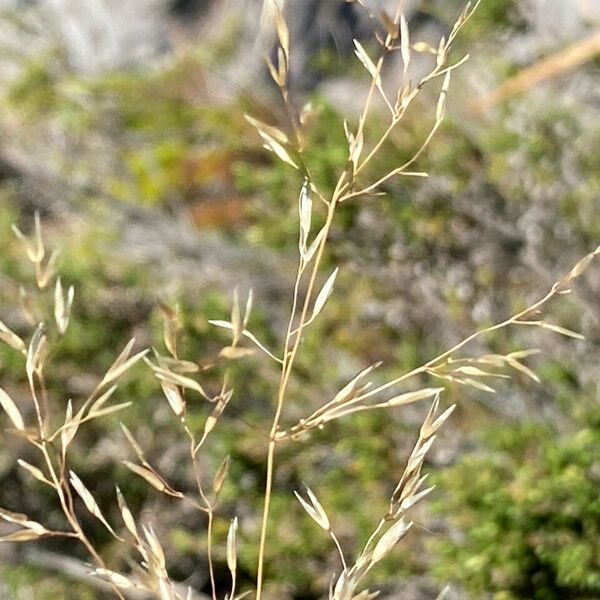
- 💨 Flower Spikes: It produces delicate, feathery plumes (panicles) that rise high above the leaves, catching the light and dancing gracefully in the wind.
🏡 In Your Garden
- ⛰️ Alpine Spirit: Because it originates from the misty Paramos, this grass thrives in cool, moist environments. It is exceptionally hardy against wind and light frost, making it perfect for exposed hillside gardens.
- 🌱 Erosion Control: It is a functional hero; its deep, fibrous root system is incredibly effective at "holding" the earth together, making it a top choice for stabilizing slopes or preventing soil runoff.
⚠️ Safety & Toxicity
- ✅ Safe Status: Calamagrostis effusa is generally considered non-toxic to humans, dogs, and cats.
- ⚔️ Physical Texture: While not chemically toxic, the leaf blades are quite stiff and can have microscopic serrations. It is best to wear gardening gloves when pruning or dividing large clumps to avoid small skin irritations or "grass cuts."
✨ Fun Fact
- 💧 The Fog Catcher: In its native habitat, this grass acts like a living sponge. It captures moisture directly from passing clouds and fog, dripping the water down into the soil to help recharge high-altitude aquifers and mountain streams!

Detailed Care Instructions
To grow Calamagrostis effusa, also known as Copper Reed Grass, follow these steps:
- Climate and location: Ensure that your climate is suitable for growing this plant. Copper Reed Grass thrives in areas with full sun to partial shade and well-draining soil. It can tolerate a wide range of soil types but prefers moist soil.
- Soil preparation: Prepare the soil by loosening it with a garden fork or tiller. Remove any rocks, weeds, or debris from the area. Amend the soil with organic matter, such as compost or well-rotted manure, to improve its fertility and drainage.
- Planting: Dig a hole that is slightly larger than the root ball of your Calamagrostis effusa plant. Place the plant in the hole and backfill it with soil, firming it gently around the roots. Ensure that the crown of the plant is level with the soil surface and not buried too deeply.
- Watering: After planting, water the Calamagrostis effusa thoroughly to settle the soil around the roots. Keep the soil consistently moist, especially during the plant's establishment phase. However, avoid overwatering and ensure good drainage to prevent waterlogging.
- Mulching: Apply a layer of organic mulch, such as shredded bark or straw, around the base of the plant to help retain moisture and suppress weed growth. Maintain a 2-3 inch layer of mulch but keep it a few inches away from the plant's crown to prevent rot.
- Fertilization: Calamagrostis effusa generally does not require heavy fertilization. However, a slow-release balanced fertilizer can be applied in early spring to provide nutrients for healthy growth. Follow the instructions on the fertilizer package for application rates.
- Pruning: Remove any dead or damaged foliage in early spring before new growth emerges. Additionally, you can cut back the plant in late winter or early spring to rejuvenate its appearance.
- Dividing and propagation: As the plant matures, you can divide it every few years to maintain its vigor. Dig up the plant in early spring or fall and divide the clump into smaller sections using a sharp knife or garden fork. Replant the divisions in prepared soil.
By following these steps, you should be able to successfully grow Calamagrostis effusa in your garden or landscape.
Calamagrostis Effusa plants should be watered thoroughly but infrequently, allowing the soil to dry out slightly between waterings. When watering, be sure to saturate the soil to the root level. Avoid overwatering, as this can lead to root rot. It is also important to choose well-draining soil and a pot with drainage holes to prevent waterlogged soil. Consider watering in the morning or early afternoon to allow the leaves to dry before nighttime, which can help prevent fungal growth.
To fertilize this plant, apply a slow-release fertilizer in the early spring or mid-summer. Make sure to avoid high-nitrogen fertilizers as this can cause excessive growth that weakens the plant. Use a balanced fertilizer with equal amounts of nitrogen, phosphorus, and potassium. Spread the fertilizer over the soil surface, making sure not to get any on the plant's foliage. Water the plant deeply after fertilizing to help the nutrients penetrate the soil. Repeat the fertilization process once or twice a year, depending on the plant's growth and condition.
The most suitable type of soil for Calamagrostis Effusa is a well-draining loamy soil that is rich in organic matter. The soil should have a pH level of 5.5-7.0, which is slightly acidic to neutral. It should also be able to retain moisture well, as Calamagrostis Effusa prefers moist soil conditions. Adding organic matter such as compost or peat moss can help improve both drainage and moisture retention. Additionally, the soil should be fertile and provide adequate nutrients for the plant's growth and development. Avoid using heavy clay soils or sandy soils that do not retain moisture well.
To propagate this plant, identify healthy and mature plant specimens with strong root systems. Gently dig out the clumps from the soil and separate them into smaller pieces, ensuring each division has a good amount of roots. Trim back any damaged or dead foliage to encourage new growth. Plant the divisions in a well-draining soil mixture and provide consistent moisture to help establish the plants. Keep the newly divided plants in a cool and shaded area for the first few weeks to help them acclimate to their new environment.








