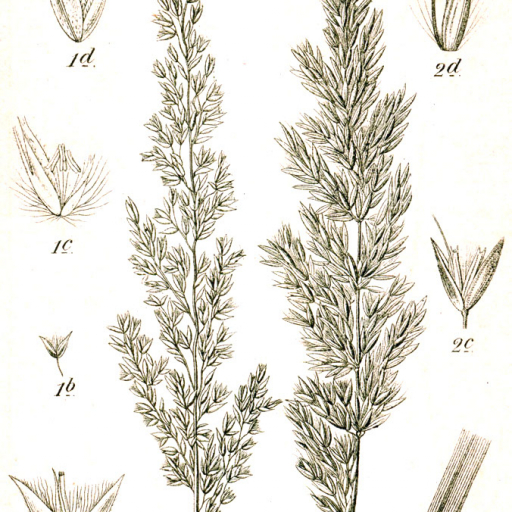
Plant Overview
Often called the Mountain Small-reed, Calamagrostis varia is a rugged mountaineer of the grass world. Native to the limestone-rich slopes of Europe, this perennial is nicknamed "Variable" because of the way its feathery plumes shift colors—from misty purples and greens to a warm, sun-baked straw—as the seasons turn. It’s the perfect choice for gardeners who want to capture the wild, breezy essence of an alpine meadow.
🔍 How to Identify
- 🌾 The Foliage: It forms dense, fountain-like clumps of narrow, linear green leaves. If you run your fingers along them, you’ll notice they feel slightly rough or "scabrous."
- ☁️ The Bloom Plumes: In mid-summer, it sends up airy, branched panicles (flower clusters) that look like tiny, delicate feathers shimmering in the wind.
- 📏 The Stature: It maintains a tidy, upright habit, usually reaching about 2 to 3 feet in height, which makes it an excellent mid-border "transparent" plant that you can see through.
🏡 In Your Garden
- ⛰️ The Limestone Specialist: While many plants struggle with alkaline soil, this grass thrives in it. If your garden is naturally chalky or rocky, this plant will feel right at home. It loves calcium and well-drained spots.
- ❄️ Cool Season Energy: Unlike tropical grasses that wait for the heat, this is a "cool-season" grass. It wakes up early in the spring, providing lush green texture while your other garden favorites are still dormant.
- ✂️ Low-Drift Maintenance: It is a clumping grass, not a runner. This means it stays exactly where you plant it and won't aggressively invade your lawn or neighboring flower beds.
⚠️ Safety & Toxicity
- 🟢 Status: Generally non-toxic and safe.
- 🧤 Details: It is not poisonous to pets or children. However, like many ornamental grasses, the edges of the leaves can be quite sharp. When cutting it back in late winter, wear gardening gloves to avoid those pesky "grass cuts" on your hands.
✨ Fun Fact
In the wild, Calamagrostis varia is considered a "pioneer species." It is one of the first plants brave enough to grow on shifting scree slopes and mountain debris, helping to stabilize the soil so that other mountain flowers can eventually take root!

Detailed Care Instructions
To successfully grow Calamagrostis Varia (also known as Reed Canary Grass), follow these steps:
- Choose the right location: Select a spot in your garden that receives full to partial sun. This grass can tolerate some shade but does best in full sun.
- Prepare the soil: Calamagrostis Varia prefers moist, well-draining soil. Before planting, work the soil by removing any weeds or debris and incorporating some organic matter like compost or well-rotted manure to improve soil fertility and drainage.
- Planting: Calamagrostis Varia can be propagated through seeds or division of established plants. If planting seeds, sow them in early spring or fall, ensuring they are planted at the proper depth recommended on the seed packet. If dividing established plants, dig up the clump and carefully divide it into smaller sections, making sure each division has a healthy root system.
- Watering: Keep the soil consistently moist but not waterlogged. Water deeply at planting time and provide regular watering during dry periods to prevent the soil from drying out completely.
- Mulching: Apply a layer of organic mulch, such as straw or wood chips, around the base of the plant to help retain moisture, suppress weed growth, and regulate soil temperature.
- Fertilizing: Calamagrostis Varia generally doesn't require much fertilizer, as it can thrive in average soil. However, adding a balanced slow-release fertilizer in early spring can help promote healthy growth.
- Pruning: In late winter or early spring, cut back the grass to a few inches above the ground to remove any dead or damaged foliage and promote new growth.
- Protection: In areas with harsh winters, apply a layer of winter mulch over the plant to protect the roots from freezing.
- Maintenance: Regularly remove any dead or faded stems to maintain a neat appearance and prevent the grass from becoming too dense.
- Division: Every 3-4 years, as the plant spreads, consider dividing and replanting the grass to rejuvenate its growth and prevent overcrowding.
By following these steps and providing adequate care, your Calamagrostis Varia plant should thrive and grow beautifully.

Place in a bright room that is sun drenched almost all day. Or directly in a south-facing window.

To water this particular plant, one must examine the soil moisture level and adjust watering accordingly. The plant prefers consistently moist soil, but cannot tolerate standing water. It is important to avoid overhead watering, as this can lead to fungal diseases. Instead, apply water directly to the base of the plant and allow it to soak in. In hot and dry weather conditions, the plant may require more frequent watering. It is important to avoid letting the soil dry out completely.
To fertilize this plant, apply a slow-release, balanced fertilizer in the early spring, just as new growth starts to emerge. Use a fertilizer with a ratio of 10-10-10 or 15-15-15, applying it evenly over the soil surface around the base of the plant. Water the area well after fertilizing to help distribute the nutrients into the soil. Repeat this process every year to maintain healthy growth and appearance. Avoid over-fertilizing, as it may cause excessive growth and reduce the plant's natural beauty.
Calamagrostis varia is a type of grass that thrives in a well-draining soil medium that is rich in nutrients. The soil should have a pH level between 5.5 and 8.5, and should not be water-logged or too sandy. The ideal soil mix for this plant would include a mixture of loamy soil, sand, and organic matter such as peat or compost. It is important to use a soil mix that has good drainage and allows air flow around the roots to prevent root rot. Additionally, adding fertilizer or compost to the soil can help ensure that the grass has sufficient nutrients to grow and develop properly. Overall, ensuring that the soil is of good quality and well-draining is crucial to the success of growing Calamagrostis varia.
To propagate this plant, you will need to locate healthy and mature specimens with vibrant foliage. Using a sharp and sterilized cutting tool, take a stem cutting that is at least 4-6 inches in length. Make sure that the cutting has at least a few healthy leaves on it.
Immediately after taking the cutting, dip the cut end into rooting hormone powder to encourage root growth. Then, plant the cutting in a container filled with moist and well-draining potting soil. Keep the soil evenly moist and place the container in a bright but indirect light location.
After several weeks, check for roots by gently tugging on the stem. If you feel resistance, the roots have formed, and you can transplant the new plant into a larger container or into the garden.
Alternatively, you can also propagate this plant through division. Dig up the mature plant and divide the root ball into smaller sections, each with its own stem and foliage. Replant the sections in moist and well-draining soil, and continue to water them regularly until they establish themselves.








