Plant Overview
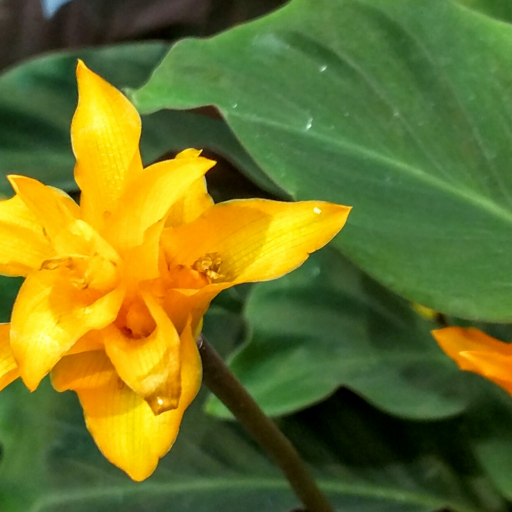
Meet the "Eternal Flame," a Brazilian beauty that defies the usual green-only rule of the Calathea family. Unlike its cousins who are prized solely for their patterned foliage, this plant steals the show with brilliant, candle-like orange blooms that seem to glow against its dark, metallic leaves. It is often considered the "crown jewel" of indoor jungles for those who love a splash of fire in the shade.
🔍 How to Identify
- 🔥 Flaming Bracts: The most striking feature is its upright, cone-shaped orange flower spikes that rise above the foliage on long stems, resembling flickering candles.
- 🌌 Metallic Foliage: The leaves are a deep, waxy green—almost black—with a rich purplish-burgundy underside, giving the plant a sophisticated, "dark" aesthetic.
- 🌊 Wavy Margins: Each leaf has a slightly ruffled or corrugated texture, catching the light in a way that makes the metallic sheen pop.
🏡 In Your Garden
- ☁️ Humidity is King: This plant is a true rainforest native; it thrives in high humidity and will quickly develop "crispy" brown edges if the air becomes too dry. A humidifier or a dedicated "misting ritual" is often necessary.
- 💧 The "Pure Water" Rule: It can be quite a diva regarding water quality. To avoid leaf spotting and chemical burns, it prefers filtered water or rainwater, as it is highly sensitive to the fluoride and salts found in city tap water.
⚠️ Safety & Toxicity
- 🐾 Pet-Friendly: Great news for pet owners! Calathea crocata is non-toxic to cats and dogs, making it a safe choice for a lively household.
- 🌿 Gentle Nature: While it poses no chemical threat, its leaves are physically delicate. Placing it in a low-traffic spot prevents the foliage from being bruised or torn by passing feet or curious paws.
✨ Fun Fact
Like all members of the Marantaceae family, the Eternal Flame is a "Prayer Plant." It performs a nightly ritual called nyctinasty, where it folds its leaves upward as if in prayer when the sun goes down, only to spread them wide again to catch the first rays of morning light.

Detailed Care Instructions
| Color | Yellow |
| Soil Ph | Acidic |
| Humidity | High |
| Lighting | Part Sun |
| Soil Type | Moist But Well-Drained |
| Bloom Time | Summer |
| Difficulty | Medium |
| Plant Type | Herbaceous Perennial |
| Hibernation | Cold Period |
| Native Area | South America |
| Temperature | 18°C - 25°C |
| Sun Exposure | Partial Sunlight, Full Shade |
| Hardiness Zones | 11-12 |
To successfully grow a Calathea Crocata plant, follow these steps:
- Lighting: Place the plant in bright, indirect light. Avoid direct sunlight as it can scorch the leaves. A north or east-facing window is ideal. If you don't have a suitable spot, you can use artificial grow lights.
- Temperature and Humidity: Calathea Crocata prefers temperatures between 65-85°F (18-29°C). Maintain a relatively high humidity level by misting the plant daily or placing a humidifier nearby. You can also create a pebble tray by placing a tray filled with water and pebbles beneath the plant.
- Watering: Keep the soil consistently moist but not waterlogged. Water the plant when the top inch of soil feels dry to the touch. Avoid letting the plant sit in standing water, as it can lead to root rot. Ensure good drainage and use well-draining soil.
- Fertilization: Feed the plant every two weeks during the growing season with a balanced, water-soluble houseplant fertilizer. Dilute the fertilizer to half the recommended strength to avoid burning the roots.
- Potting and Repotting: Repot the Calathea Crocata when the roots start to fill the pot. Choose a slightly larger pot with drainage holes. Use a well-draining potting mix that retains moisture but doesn't get waterlogged.
- Pruning: Trim off any yellowed, brown, or damaged leaves. Regularly remove dead or dying foliage to maintain the plant's appearance and prevent disease.
- Pest Control: Keep an eye out for common houseplant pests like spider mites, mealybugs, and aphids. If you spot any, remove them manually or use an organic insecticidal soap to control the infestation.
- Resting Period: Calathea Crocata may go through a resting period during the winter months. Reduce watering frequency and limit fertilizer application. Provide slightly cooler temperatures (60-70°F or 15-21°C) during this time.
Following these guidelines can help ensure the healthy growth of your Calathea Crocata plant. Remember to observe the plant and adjust care as needed, as each plant's needs may vary slightly.

Place in a window with dappled sun or a spot in the middle of a room. Or directly in a window facing west or east.

Calathea Crocata plant should be watered regularly, but care should be taken to not overwater it. When watering, be sure to only moisten the soil, not saturate it. The plant prefers moist, well-draining soil, so make sure excess water can drain away easily. Watering should be done once the top inch of soil is dry to the touch. Avoid allowing the plant to sit in standing water for extended periods of time as this can lead to root rot. It is also important to not let the soil dry out completely, as this can cause the leaves to wilt and become damaged. When watering, use room temperature water to avoid shocking the plant. Overall, watering should be done consistently and with care to keep the plant healthy and thriving.
Here are the fertilizing instructions for the Calathea Crocata plant:
- Choose a balanced, water-soluble fertilizer designed for indoor or tropical plants.
- Dilute the fertilizer according to package instructions.
- Apply the diluted fertilizer to the soil around the base of the plant.
- Avoid getting the fertilizer on the leaves or in the center of the plant.
- After applying the fertilizer, water the plant thoroughly to help distribute the nutrients.
- Repeat the fertilization process every two to four weeks during the growing season (spring and summer).
- During the dormant season (fall and winter), reduce the frequency of fertilization to once every two months.
- Monitor the plant's growth and adjust the fertilization schedule if needed.
- Remember to follow the recommended dosage and frequency of fertilization to prevent overfeeding, which can harm the plant.
- Regularly wipe or spray the leaves with water to remove dust and keep them clean, as this can help the plant better absorb nutrients.
Please note that it is important to use proper protective measures, such as gloves, when handling fertilizers. Always refer to the specific instructions provided with your chosen fertilizer for best results.
When planting Calathea Crocata, it is important to choose a soil that is well-draining and rich in nutrients. A soil with a pH level of 5.5 to 6.5 is ideal for this plant. It is recommended to use a mixture of peat moss, perlite, and vermiculite to create a well-draining soil. Additionally, adding organic matter such as compost or worm castings can provide extra nutrients for the plant to thrive. It is important to avoid using heavy soils that retain moisture for too long, as they can result in root rot. Proper soil preparation is crucial for the Calathea Crocata to grow well and produce healthy foliage and flowers.
To propagate this plant, select a healthy and young stem with at least two or three leaves. Then, using clean and sharp gardening shears, cut the stem approximately 2-3 inches below the base of the last leaf node. Make sure the cut is clean and doesn't damage the stem.
Next, remove the leaves from the bottom inch of the stem, making sure not to tear them. Then, dip the cut end of the stem in a rooting hormone powder or gel to encourage root growth. Plant the stem in moist and well-drained potting soil, gently pressing the soil around the stem to ensure it's stable. Water the soil thoroughly and make sure it doesn't dry out.
To encourage healthy root growth, cover the plant with a plastic wrap or a clear plastic bag. This will help create a humid environment, which is beneficial for rooting. Keep the plant in a warm and bright location, but avoid direct sunlight, as it may cause the cutting to wilt. Check the soil moisture regularly and water when it feels dry to the touch.
After a few weeks, gently tug on the stem to check for roots. If you feel resistance, it means that roots have formed and the plant has successfully rooted. At this point, remove the plastic cover and allow the plant to adjust to its new environment. Gradually increase the amount of light it receives, but avoid direct sunlight for the first few weeks.
Once the new plant has established roots, you can pot it up into a new container with fresh soil and care for it as you would with a mature plant. With proper care, your new Calathea Crocata plant will grow into a beautiful and healthy addition to your plant collection.
Common pests of the eternal flame include Mealybugs, spider mites, thrips. Make a habit of checking your eternal flame frequently for pests so that any infestations can be caught and managed early.








