Plant Overview
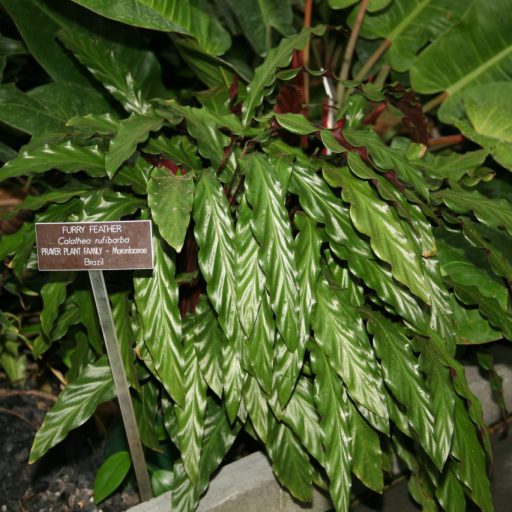
Often called the "Furry Feather" or "Velvet Calathea," this Brazilian beauty is a tactile masterpiece in the world of houseplants. Unlike its glossy-leaved cousins, the Calathea rufibarba is covered in soft, suede-like fuzz that invites you to reach out and touch it. It is a true rainforest floor dweller, bringing a sense of tropical luxury and a splash of deep burgundy to any indoor corner.
🔍 How to Identify
- 🍃 Feather-Like Foliage: The leaves are long, narrow, and lance-shaped, standing upright on slender stems like a bouquet of exotic feathers.
- 🌊 Wavy Margins: Each leaf features distinctively ruffled or wavy edges, adding a sense of movement and texture to its silhouette.
- 🧸 Velvety Undersides: The most iconic feature is the soft, fine "hair" (trichomes) found on the burgundy undersides and stems, which feels like soft felt or velvet.
🏡 In Your Garden
- ☁️ The Humidity Factor: Because it originates from the humid undergrowth of the Amazon, this plant is prone to "crispy edges" if the air is too dry. It thrives best when grouped with other plants or kept near a humidifier to mimic its steamy jungle home.
- 🧪 Picky About Purity: This species is particularly sensitive to the chemicals found in city tap water, such as fluoride and chlorine. To keep the leaves from spotting, it’s best to use filtered water, rainwater, or water that has sat out overnight.
⚠️ Safety & Toxicity
- 🐾 Pet Safe: Good news for pet parents! The Calathea rufibarba is non-toxic to both cats and dogs, making it a "worry-free" addition to a multi-pet household.
- 👶 Safe for Humans: It is non-toxic to humans as well, though the delicate leaves should be kept away from heavy foot traffic to avoid physical damage to the plant.
✨ Fun Fact
This plant is a "Prayer Plant," meaning it undergoes a daily ritual called nyctinasty. Every evening, the leaves fold upward like hands in prayer to conserve moisture, and every morning, they unfurl again to greet the light—you can even hear them occasionally "rustle" as they move!

Detailed Care Instructions
| Humidity | High |
| Lighting | Part Sun |
| Difficulty | Hard |
| Hibernation | Cold Period |
| Temperature | 18°C - 25°C |
| Hardiness Zones | Min 10A |
To grow Calathea Rufibarba plant, also known as Furry Feather Calathea, you can follow these steps:
- Lighting: Place the plant in a bright, indirect light location. Avoid exposure to direct sunlight as it can burn the leaves. Calathea Rufibarba prefers bright, filtered light.
- Temperature and Humidity: Maintain a temperature range of 60-75°F (15-24°C). Keep the humidity level high, preferably around 60-70%. You can use a humidifier or place the pot on a tray filled with water and pebbles to increase humidity.
- Watering: Keep the soil consistently moist but not soggy. Water the plant when the top inch of soil feels dry. Calathea Rufibarba does not like dry conditions but can suffer from overwatering, so it's important to find the right balance. Ensure proper drainage in the pot.
- Soil and Container: Plant Calathea Rufibarba in well-draining, peat-based soil mixed with perlite or sand to improve drainage. Choose a container with drainage holes to prevent waterlogging.
- Fertilization: Feed the plant with a weak, balanced, water-soluble fertilizer once a month during the growing season (spring and summer). Dilute the fertilizer to half the recommended strength and avoid fertilizing during winter.
- Pruning: Trim any yellow or brown leaves regularly to maintain plant health and appearance. You can also remove any leggy growth to encourage bushier growth.
- Pests and Diseases: Check the plant regularly for pests such as spider mites, mealybugs, or aphids. If you find any, treat with an appropriate organic or chemical insecticide. Avoid overwatering, as it can lead to root rot.
- Propagation: Calathea Rufibarba can be propagated through division. When repotting, divide the plant into smaller sections, making sure each section has roots attached. Plant the divided sections in separate pots.
By following these care instructions, your Calathea Rufibarba should thrive and grow well.

Place in a window with dappled sun or a spot in the middle of a room. Or directly in a window facing west or east.

Calathea Rufibarba plant prefers consistent moisture, but not overly wet soil. One way to water the plant is to evenly moisten the topsoil with room temperature water until it drips out of the drainage holes. It is important not to let the soil dry out completely between watering, as this can cause the leaves to curl and wilt. However, overwatering can lead to root rot and other issues. It is recommended to check the moisture level of the soil by sticking your finger about an inch deep into it, and only water if it feels dry. The frequency of watering depends on factors such as the size of the pot, the temperature and humidity of the environment, and the amount of light the plant receives. It is also important to use a well-draining potting mix and avoid letting water accumulate in the plant's saucer or tray.
To fertilize this plant, begin by choosing a high-quality fertilizer formulated for indoor plants. Mix the fertilizer according to the package instructions and apply it to the soil of the plant during the growing season, typically from spring to fall. Be sure to follow the recommended application rate for the size of the plant. Avoid fertilizing during the winter months when the plant is in a state of dormancy. It is also important to water the plant thoroughly after fertilizing to avoid burning the roots.
Calathea Rufibarba plant requires well-draining soil that is rich in nutrients and organic matter. The soil should be slightly acidic with a pH range of 5.5-6.5. It is important to use a soil mix that is capable of retaining moisture but does not become waterlogged, as it can cause root rot and other problems for the plant. A good soil mix for Calathea Rufibarba can be made by mixing peat moss, perlite, and vermiculite in equal parts. Additionally, the plant prefers a humid environment, so keeping the soil moist and misting the leaves regularly is important for its overall health.
To propagate this plant, you will need a healthy and mature mother plant. Identify a healthy stem that has at least two to three leaves attached to it. With a sharp and clean pair of scissors, cut the stem at a 45 degree angle, just below where the leaves grow out of the stem.
Remove the lower leaves from the stem, leaving only the top two to three leaves intact. The stem should have a length of at least 5-7cm.
Fill a small pot with a well-draining potting soil mix and dampen the soil slightly. Make a hole in the soil and insert the stem into it, firmly pressing the soil around it to stabilize it.
Cover the pot with a plastic bag or cling film to create a humid environment. Place the pot in a warm and bright spot but not in direct sunlight.
Check the humidity and soil moisture regularly and mist the plant if necessary. After about 2-3 weeks, frequently look for new growth at the base of the cutting.
Once you see new growth emerge, remove the plastic cover and transfer the plant to a slightly larger pot with fresh soil and continue to care for it as a mature plant.
Common pests of the calathea rufibarba include Mealybugs, spider mites, thrips. Make a habit of checking your calathea rufibarba frequently for pests so that any infestations can be caught and managed early.








