Plant Overview
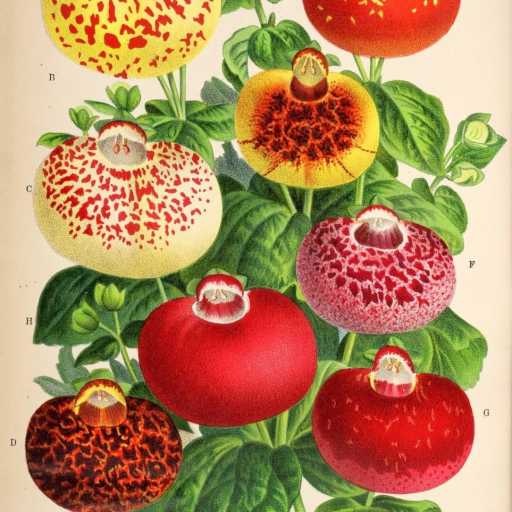
Known affectionately as the "Pocketbook Plant" or "Lady’s Purse," this Andean beauty looks like it is growing a collection of tiny, inflated silk pouches. Native to the cool mountain regions of Chile and Argentina, it became a Victorian-era sensation due to its whimsical, alien-like blooms. It is a showstopper that thrives when the air is crisp, bringing a burst of theatrical color to any cool windowsill.
🔍 How to Identify
- 🛍️ The "Pocket" Bloom: The most distinct feature is the flower’s lower petal, which is large, inflated, and pouch-like, resembling a Victorian coin purse or a slipper.
- 🎨 Vibrant Patterns: The blooms are typically bright yellow, orange, or red, and are almost always "freckled" with intricate spots of deep maroon or chocolate brown.
- 🍃 Velvety Foliage: The leaves are broad, bright green, and covered in a fine, soft fuzz, giving the plant a lush, felt-like texture.
🏡 In Your Garden & Home
- ❄️ The Coolness Factor: Unlike most tropical houseplants, the Pocketbook Plant hates intense heat. It prefers the "Goldilocks" zone—bright, indirect light but with cool temperatures. If it gets too hot, the flowers will wilt prematurely.
- 💧 Thirsty but Delicate: This plant is a bit of a "drama queen" regarding moisture. It needs consistently damp soil, yet it is highly susceptible to crown rot. To keep it happy, water from the bottom and avoid getting any water on the fuzzy leaves or the center of the plant.
⚠️ Safety & Toxicity
- ✅ Non-Toxic: Calceolaria crenatiflora is generally considered non-toxic to cats, dogs, and humans, making it a safe choice for household display.
- 🧤 Mild Irritant: While not poisonous, the fine hairs on the leaves can occasionally cause a mild "itchy" sensation or skin irritation for people with highly sensitive skin. It’s best to handle it gently.
✨ Fun Fact
The name Calceolaria is derived from the Latin word calceolus, which literally translates to "little shoe." In the traditional "Language of Flowers," gifting a Pocketbook Plant was a symbolic way of telling someone, "I offer you my fortune and my heart."

Detailed Care Instructions
Calceolaria crenatiflora, also known as the pocketbook plant, is a unique and attractive flowering plant known for its distinctive pouch-shaped blooms. Here are some steps and tips for growing Calceolaria crenatiflora successfully:
1. Temperature
- Ideal Conditions: Calceolaria crenatiflora prefers cooler temperatures, ideally between 60°F and 70°F (15°C to 21°C).
- Avoid Heat: Protect the plant from excessive heat, as it can struggle in high temperatures.
2. Light
- Bright, Indirect Light: Provide bright, indirect light to promote healthy growth. Direct sunlight can scorch the leaves.
- Partial Shade: It can also thrive in partial shade, especially during hot summers.
3. Soil
- Well-Draining Mix: Use a light, well-draining potting mix. A mix designed for African violets or a combination of peat moss, perlite, and vermiculite works well.
- pH Levels: Aim for slightly acidic to neutral pH (around 6.0 to 7.0).
4. Watering
- Consistent Moisture: Keep the soil consistently moist but not waterlogged. Allow the top inch of soil to dry out slightly before watering.
- Humidity: Calceolaria prefers higher humidity levels, so you may want to mist the plant or place it near a humidifier.
5. Fertilizing
- Balanced Fertilizer: During the growing season (spring and summer), feed with a balanced liquid fertilizer (like 20-20-20) every 2 to 4 weeks.
- Reduced Feeding: Reduce or stop fertilizing in the fall and winter when the plant is not actively growing.
6. Pruning and Maintenance
- Deadheading: Regularly remove dead or faded flowers to encourage new blooms.
- Leaf Care: Clean leaves with a damp cloth to remove dust, which can help the plant photosynthesize more efficiently.
7. Propagation
- Seeds: Calceolaria can be propagated from seeds. Start seeds indoors, ideally 8 to 10 weeks before the last frost date. They require light to germinate, so don’t cover them.
- Transplanting: When seedlings are large enough to handle, transplant them into individual pots.
8. Pests and Problems
- Watch for Pests: Keep an eye out for common pests such as aphids and spider mites. Treat infestations promptly with insecticidal soap or neem oil.
- Fungal Issues: Be cautious of overwatering, which can lead to root rot and fungal problems.
9. Winter Care
- Dormancy: In colder climates, the plant may become dormant in the winter. Reduce watering and avoid fertilizing until new growth appears in the spring.
With proper care, Calceolaria crenatiflora can be a beautiful addition to your indoor garden or flower beds. Enjoy growing this unique plant!

Place in a bright room that is sun drenched almost all day. Or directly in a south-facing window.

Calceolaria crenatiflora requires careful attention when it comes to watering to ensure optimal growth and health. Here’s how to properly water this plant:
1. Watering Frequency: The frequency of watering will depend on the environmental conditions, such as temperature and humidity. In general, it is best to water more frequently during the growing season (spring and early summer) and reduce watering in the dormant period (late summer to fall).
2. Soil Moisture: The soil should be kept consistently moist but not soggy. It’s advisable to check the top inch of the soil; if it feels dry to the touch, it’s time to water. If it still feels moist, wait a few days before checking again.
3. Watering Method: Use a watering can with a fine spout or a gentle hose attachment to avoid disturbing the soil. Water at the base of the plant to ensure the roots receive adequate moisture. Avoid watering the foliage directly, as this can lead to fungal issues and leaf rot.
4. Water Type: Use room temperature water, preferably rainwater or distilled water if possible, as tap water may contain chemicals (like chlorine) that can be harmful in the long term.
5. Drainage: Ensure that the pot has adequate drainage holes. After watering, any excess water should quickly drain away to prevent root rot. If the plant is in a saucer, make sure to empty it if excess water collects.
6. Humidity Considerations: This plant thrives in humid conditions, so if the air in your environment is dry, consider misting the foliage or using a humidity tray to maintain optimal levels.
7. Observation: Regularly monitor the plant for any signs of stress, such as wilting or yellowing leaves, which may indicate overwatering or underwatering.
By following these guidelines, you should be able to maintain the appropriate moisture level for Calceolaria crenatiflora and promote healthy growth.
For optimal growth of Calceolaria crenatiflora, follow these fertilizing guidelines:
- Fertilizer Type: Use a balanced, water-soluble fertilizer with an N-P-K ratio around 20-20-20. Alternatively, you can select a fertilizer formulated for flowering houseplants or annuals.
- Dilution: Dilute the fertilizer to half the recommended strength to prevent nutrient burn, especially during the initial growth phases.
- Frequency: Apply the diluted fertilizer every 4-6 weeks during the growing season (usually spring and summer). Reduce feeding in the fall as the plant enters dormancy.
- Application Method: Water the plant thoroughly before applying the fertilizer to prevent root damage. After mixing the fertilizer with water, apply it directly to the soil, avoiding the foliage to minimize the risk of burn.
- Soil Check: Ensure that the soil is well-draining and remains slightly moist. Over-fertilization can lead to salt buildup, so regularly monitor soil conditions.
- Post-Flowering Care: After the flowering period, consider using a lower nitrogen formula or a more diluted mixture to support the plant’s recovery.
- Observation: Monitor the plant for signs of nutrient deficiency or excess, such as yellowing leaves or poor growth, and adjust your fertilization routine accordingly.
By following these guidelines, you can help maintain the health and vitality of Calceolaria crenatiflora.
Calceolaria crenatiflora thrives best in well-draining soil that is rich in organic matter. A suitable soil mix typically includes:
- Organic matter: Incorporate well-rotted compost or peat to enhance moisture retention while providing essential nutrients.
- pH: Aim for a slightly acidic to neutral pH, ideally between 6.0 and 7.0. This supports healthy root development and nutrient uptake.
- Drainage: Ensure good drainage by mixing in perlite or coarse sand to prevent waterlogging, which can lead to root rot.
- Texture: A light, loamy mix that retains moisture without becoming soggy is ideal.
- Nutrients: Consider using a slow-release fertilizer mixed into the soil to provide a balanced nutrient supply throughout the growing season.
By maintaining these soil conditions, you can create a favorable environment for optimal growth and flowering of the plant.
Calceolaria crenatiflora can be propagated through seed, cuttings, or division. Here are the detailed methods for each propagation technique:
1. Seed Propagation:
- Timing: Start seeds in late winter to early spring, about 8-10 weeks before the last expected frost.
- Soil: Use a well-draining seed starting mix or peat-based soil.
- Sowing: Lightly surface sow the seeds, as they require light for germination. Do not cover them with soil.
- Moisture: Mist the surface or gently water to keep the medium moist but not soggy.
- Temperature: Maintain a temperature of around 20-22°C (68-72°F) for optimal germination.
- Light: Place the seeds under bright, indirect light or use grow lights to provide sufficient light.
- Germination: Seeds typically germinate in 10-14 days. Once seedlings are large enough to handle, transplant them into individual pots.
- Transplanting: After the seedlings have developed a few true leaves, they can be moved to larger containers or directly into the garden.
2. Cutting Propagation:
- Timing: Take cuttings in early summer when the plant is actively growing.
- Cuttings: Select healthy, non-flowering stems. Using sterile and sharp pruners, take stem cuttings about 4-6 inches long, ensuring each cutting has at least a few leaves.
- Preparation: Remove the lower leaves, leaving a few at the top, and optionally dip the cut end in rooting hormone to encourage root development.
- Medium: Use a sterile, well-draining potting mix or perlite for rooting.
- Planting: Insert the cut end into the growing medium and firm it around the base for stability.
- Humidity and Light: Cover the cuttings with a transparent plastic bag or a humidity dome to retain moisture, and place them in a location with bright, indirect light.
- Watering: Keep the medium moist but not overly saturated.
- Rooting: After several weeks, check for root development by gently tugging on the cuttings. Once established, they can be potted up into larger containers.
3. Division:
- Timing: The best time to divide established plants is in early spring or fall when they are not in active bloom.
- Plant Care: Water the plant thoroughly a day before division to make it easier to lift the plant without disturbing the roots too much.
- Lifting: Carefully remove the plant from its pot or the ground using a spade or fork. Gently shake off excess soil.
- Division: Look for natural divisions in the root system. Use a sharp knife or spade to cut through the roots, ensuring each division has a healthy portion of stems and roots.
- Replanting: Plant the divisions promptly in prepared soil at the same depth they were previously growing. Water well after planting.
General Care Post-Propagation:
Regardless of the method used, ensure that the new plants are kept in a suitable environment with adequate light, humidity, and temperature levels as they establish themselves. Monitor for pests and diseases regularly, providing care as needed.
By following these guidelines, successful propagation can be achieved, resulting in healthy new plants.








