Plant Overview
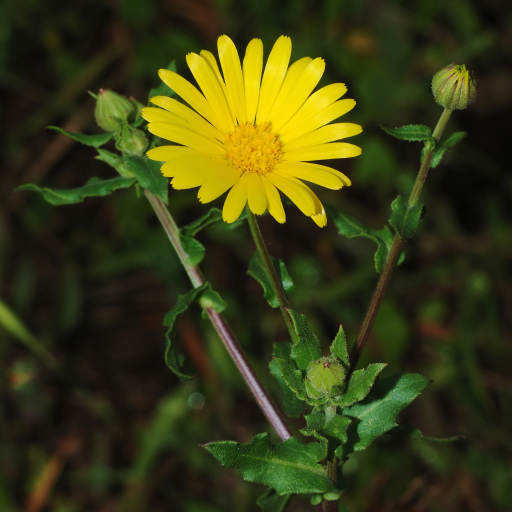
The "Field Marigold" is the wild, adventurous cousin of the common garden marigold. Native to the sun-drenched Mediterranean, this hardy annual has spent centuries hitchhiking across the globe alongside human agriculture. It is often celebrated as a "living clock" because its blooms follow the sun with rhythmic precision, closing tightly as dusk approaches.
🔍 How to Identify
- 🌼 The Blooms: Features small, daisy-like flower heads ranging from pale lemon-yellow to vibrant orange. Unlike the fluffy "Pot Marigold," these are delicate and typically measure only 1–2 centimeters across.
- 🍃 The Foliage: The leaves are lance-shaped, slightly hairy, and have a distinctively sticky texture when touched, often releasing a sharp, herbal scent.
- 🌱 The Stature: It maintains a low, bushy profile, rarely growing taller than 20 centimeters, which allows it to hug the ground and survive in windy, open fields.
🏡 In Your Garden
- ☀️ The Sunshine Indicator: This plant is an expert at finding the sun. It prefers open, well-lit spaces and is famous for closing its petals when the sky turns gray, earning it a reputation as a natural barometer for approaching rain.
- 🦋 A Pollinator’s Oasis: While it may look like a common weed to some, it is a vital nectar source for hoverflies and small solitary bees. It is a "pioneer plant," often the first to bring life back to disturbed or poor quality soil.
⚠️ Safety & Toxicity
- ✅ Generally Safe: Field Marigold is non-toxic to humans, dogs, and cats. Its petals are technically edible and are sometimes used as a rustic garnish.
- 🌿 Contact Sensitivity: Some gardeners with sensitive skin may experience a mild "daisy allergy" (contact dermatitis) due to the plant's resinous sap. It is always wise to wear gloves if you are pulling large quantities.
✨ Fun Fact
In medieval times, Calendula arvensis was known as "Poor Man’s Saffron." The dried petals were used to add a golden tint to butter, cheeses, and soups, providing a splash of luxury to those who couldn't afford the world's most expensive spice!

Detailed Care Instructions
To grow Calendula Arvensis, also known as field marigold, follow these steps:
- Choose a suitable location: Select a location that receives full sun or partial shade. Calendula Arvensis prefers well-drained soil.
- Prepare the soil: Clear the area of any weeds or debris. Loosen the soil using a garden fork or tiller. Add organic matter, such as compost or well-rotted manure, to improve soil fertility.
- Sow the seeds: Calendula Arvensis can be directly sown outdoors in spring or autumn. Scatter the seeds evenly over the prepared soil and lightly press them into the soil surface. Space the seeds about 12–18 inches apart.
- Watering: Water the seeds gently after sowing and keep the soil moist until germination occurs. Avoid overwatering, as it may cause rot or fungal diseases.
- Thin the seedlings: When the seedlings are a few inches tall, thin them to maintain a spacing of about 12–18 inches between plants. This allows each plant to have enough space to grow and receive adequate sunlight.
- Mulching: Apply a layer of organic mulch, such as straw or wood chips, around the base of the plants to retain soil moisture, suppress weed growth, and protect the roots.
- Fertilization: Calendula Arvensis usually does not require heavy fertilization. However, applying a balanced organic fertilizer once a month can help promote healthy growth and flowering.
- Pest and disease control: Field marigolds are generally resilient to pests and diseases. However, keeping the garden clean and properly watering the plants can help prevent problems. If necessary, treat pest infestations or diseases with appropriate organic control methods.
- Harvesting: Calendula Arvensis flowers can be harvested once they reach their full bloom. Pick the flowers in the morning when the weather is cool and the petals are slightly open. Use them fresh or dry them for later use.
- Save seeds: Calendula Arvensis produces seeds in abundance. Allow some flowers to wither and dry on the plant. Once the petals and seeds are dry, collect the seeds and store them in a cool, dry place for future sowing.
With proper care and attention, your Calendula Arvensis plants will grow and reward you with beautiful flowers.

Place in a bright room that is sun drenched almost all day. Or directly in a south-facing window.

To water this plant, it is important to ensure that the soil is consistently moist but not waterlogged. This can be achieved by watering it deeply once or twice a week, depending on the weather conditions and the type of soil. It is also important to avoid getting water on the leaves, as this can lead to fungal diseases. Instead, water directly at the base of the plant, using a watering can or hose with a gentle spray nozzle. In hot or dry weather, it may be necessary to water more frequently, but be sure not to overwater, as this can also harm the plant. Finally, it is beneficial to mulch around the base of the plant with organic matter, which can help retain moisture in the soil.
To fertilize this plant, you can apply a balanced fertilizer, such as a 10-10-10 formula, in early spring before new growth appears. Additionally, you can supplement with a liquid fertilizer once a month during the growing season to promote healthy blooms. Be sure to water the plant thoroughly before and after fertilizer application.
The ideal soil for the Calendula Arvensis plant is well-draining loam that is rich in organic matter. The pH level of the soil should be slightly acidic, between 6.0 and 7.0. The soil should be kept moist but not water-logged, as the plant can be prone to root rot in poorly drained soil. When working with this plant, it is important to avoid compacting the soil as it can impact the health and growth of the plant. Additionally, adding a layer of mulch around the base of the plant can help retain moisture in the soil and provide additional nutrients.
Calendula Arvensis can be propagated through several methods. One way is by collecting the seeds from mature flowers. After the flower has dried up, the seeds can be harvested by gently rubbing the flower head to release them. These seeds can then be sown directly into the soil where they can germinate and grow into new plants.
Another method of propagating Calendula Arvensis is through stem cuttings. This can be done by taking a stem cutting with several leaves and planting it in a pot of moist soil. Keep the soil moist and in a warm and bright location until roots have developed and new growth appears.
Division is also a viable method of propagation for Calendula Arvensis. If the plant is large enough, it can be carefully dug up and divided into smaller sections. These sections can then be replanted in new pots or directly into the garden.
Regardless of the method you choose, Calendula Arvensis prefers well-draining soil and plenty of sunlight. With proper care and attention, new plants can be propagated and grown successfully.








