Plant Overview
Known as the "Evergreen Wisteria," Callerya reticulata is the more refined, better-behaved cousin of the traditional, often aggressive wisteria vines. Native to the sunny slopes of China and Vietnam, this woody climber is prized for its glossy, year-round foliage and its striking "grape-soda" colored blooms. It offers the romantic aesthetic of a flowering vine without the risk of it tearing the shingles off your roof.
🔍 How to Identify
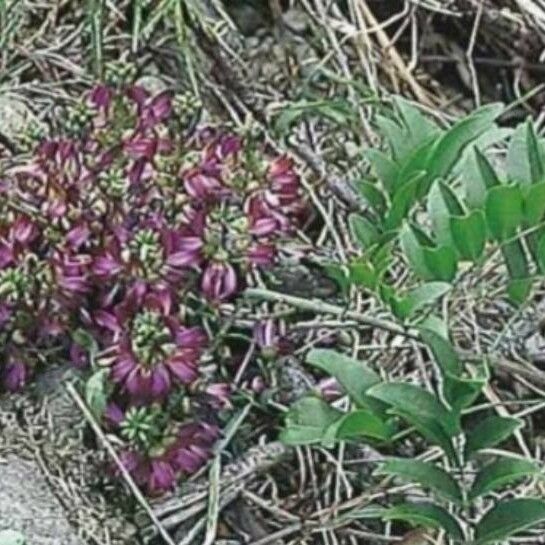
- 🌸 Royal Blooms: It produces dense, upright clusters (panicles) of pea-shaped flowers in deep shades of maroon, violet, or dark purple that typically appear in mid-to-late summer.
- 🍃 Glossy Foliage: Unlike deciduous wisteria, its leaves are leathery, dark green, and pinnately compound, usually consisting of 7 to 9 leaflets that stay on the vine through the winter in warmer zones.
- 🌀 Twining Stems: The plant climbs by twining its woody stems around supports, lacking the "suckers" or "tendrils" found on other climbing species.
🏡 In Your Garden
- 🏗️ Structural Support: While it is less destructive than its relatives, it is still a heavy woody vine. It requires a sturdy trellis, arbor, or fence to support its weight as it matures.
- ☀️ Blooms & Light: This plant is a sun-lover. To achieve the thickest carpet of purple flowers, place it in a spot that receives at least six hours of direct sunlight; otherwise, it may become "leggy" with sparse blooms.
- 💧 Establishment: It is relatively drought-tolerant once established, but it hates "wet feet." Ensure your soil is well-draining to prevent root rot, especially during the first two growing seasons.
⚠️ Safety & Toxicity
- 🐾 Potential Irritant: Like many members of the legume (Fabaceae) family, the seeds and pods contain saponins. If ingested in large quantities, they can cause nausea or digestive distress.
- 👶 Watch the Pods: While not considered high-risk, it is best to keep children and pets away from the bean-like seed pods that appear after the flowering season.
✨ Fun Fact
Unlike many floral vines that smell like sweet perfume or honey, the blossoms of the Evergreen Wisteria carry a unique, spicy fragrance that many gardeners compare to cedarwood or camphor!

Detailed Care Instructions
To grow Callerya reticulata, commonly known as Balloon Vine, you can follow these steps:
- Obtain seeds or young seedlings: You can purchase seeds or young seedlings from a local nursery or online plant suppliers. It's better to start with seeds or young plants as they are easier to establish.
- Choose a suitable location: Balloon Vine prefers a sunny location with well-drained soil. Make sure the chosen spot is away from strong winds as the vines can be delicate.
- Prepare the soil: Before planting, prepare the soil by loosening it and removing any weeds or rocks. Add organic matter such as compost or well-rotted manure to improve soil fertility and drainage.
- Sow the seeds or plant the seedlings: If you have seeds, sow them directly into the ground at a depth of 1-2 inches. If using seedlings, dig a hole large enough to accommodate the root ball and place the seedling in it, backfilling with soil and gently tamping it down.
- Water regularly: Balloon Vine requires consistent moisture to establish and grow. Water regularly to keep the soil evenly moist, but not waterlogged, until the plant becomes established.
- Provide support: Balloon Vine is a climbing plant, so it needs support to grow upwards. Install a trellis, fence, or other climbing structure near the plant to provide it something to climb onto.
- Prune if needed: Depending on the space available and your preference, you may need to prune the vine occasionally to keep it in check. Trim back any excess growth or unruly branches as needed.
- Monitor for pests and diseases: Keep an eye out for common pests like aphids or spider mites and treat them promptly if necessary. Also, watch for any signs of diseases like fungal infections and take appropriate measures to control them.
- Harvest seeds: After the growing season, the plant produces distinctive balloon-like seed pods. If desired, you can harvest the mature seed pods before they burst open and save the seeds for future sowing.
By following these steps, you can successfully grow and enjoy the beautiful and unique Callerya reticulata plant in your garden.

Place in a bright room that is sun drenched almost all day. Or directly in a south-facing window.

To water this plant, it is important to thoroughly soak the soil until water starts to drain from the bottom of the pot. However, it is also important not to overwater the plant, as this can lead to root rot. One way to prevent overwatering is to allow the soil to dry out slightly between waterings. It is also important to water the plant evenly, making sure that all parts of the soil are moistened. Additionally, it is recommended to use room temperature or lukewarm water, as cold water can shock the plant's roots. Lastly, it is important to avoid getting water on the leaves, as this can lead to fungal diseases.
- Use balanced fertilizer: Use a balanced fertilizer with equal amounts of nitrogen, phosphorus, and potassium. This ensures that the plant gets enough of all three nutrients.
- Apply after pruning: After pruning, apply the fertilizer to the soil around the base of the plant.
- Water before and after fertilizing: Water the plant before and after applying fertilizer. This helps to distribute the fertilizer evenly and prevent burning of the roots.
- Apply once every 4-6 weeks: Apply the fertilizer once every 4-6 weeks during the growing season (spring and summer).
- Reduce frequency during dormancy: Reduce the frequency of fertilizing during the plant's dormancy period (fall and winter).
- Follow package instructions: Follow the instructions on the fertilizer package for application rates and timing.
- Monitor the soil: Monitor the soil for any signs of nutrient deficiencies or excesses, such as yellowing leaves or stunted growth. Adjust fertilization accordingly.
- Consider organic options: Consider using organic fertilizers, such as compost or worm castings, to provide slow-release nutrients to the plant.
The ideal soil to use with this plant should have good drainage and be well-aerated. It should have a slightly acidic to neutral pH level between 6 and 7.5. The soil should be rich in organic matter such as compost or leaf litter to provide adequate nutrients for the plant's growth. Additionally, it should not contain any stones or debris that could impede root growth or cause damage to the plant. A soil that is sandy or loamy would be suitable for this plant, as they provide good drainage and air circulation.
To propagate this particular plant, you can take a stem cutting from a healthy parent plant during the growing season. The cutting should be about 6 inches in length and include a few leaves. Remove the leaves from the lower 2 inches of the stem and dip this portion in rooting hormone. Then, plant the cutting in a pot with moist, well-draining soil and place it in a warm, humid location with bright, filtered light. Keep the soil consistently moist and mist the cutting regularly. After a few weeks, you should start to see roots forming and the cutting beginning to grow. Once it has established a strong root system, it can be transplanted into its permanent location.








