Plant Overview
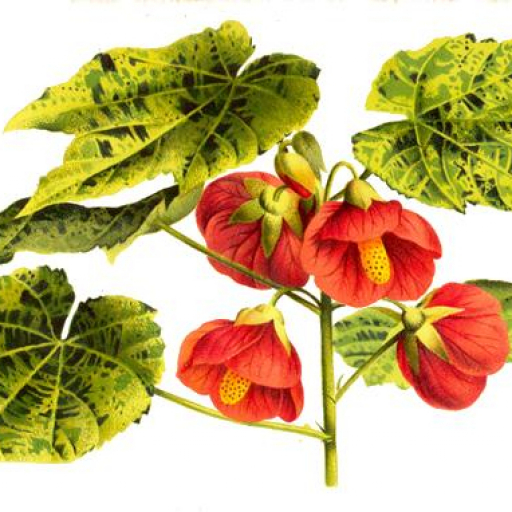
Often called "Darwin’s Abutilon" or the "Flowering Maple," Callianthe darwinii is a Brazilian treasure that looks like it belongs in a lush Victorian conservatory. Its pendulous, lantern-like blooms are a tribute to Charles Darwin, who collected the specimen during his legendary HMS Beagle voyage. This plant brings a splash of tropical warmth and vintage charm to any garden or bright indoor space.
🔍 How to Identify
- 🔔 Lustrous Bells: The flowers are nodding, bell-shaped, and usually a vibrant orange or yellow, etched with delicate, darker veins that look like hand-painted pinstripes.
- 🍃 Velvety Foliage: The leaves are heart-shaped or lobed (similar to a maple leaf) and covered in a soft, fuzzy down that gives the plant a silvery-green sheen in the light.
- 🌿 Upright Stems: It grows as an airy, woody shrub with a slightly sprawling habit, reaching for the sun while its heavy flower heads dangle gracefully toward the ground.
🏡 In Your Garden
- ☀️ Dappled Sunlight: While it loves brightness, its thin, delicate petals can "scorch" in harsh, direct midday sun. It thrives best in "goldilocks" light—bright but filtered, mimicking its native forest-edge habitat.
- 💧 Hydration Nuance: This plant is a heavy drinker during its blooming phase. If the soil dries out completely, it will "protest" by dropping its flower buds almost immediately. Consistent moisture is the secret to a long flowering season.
- ✂️ Pruning for Shape: Because it has a natural tendency to become "leggy," pinching back the growing tips in early spring encourages a bushier, more flower-packed appearance.
⚠️ Safety & Toxicity
- ✅ Generally Safe: Callianthe darwinii is not known to be toxic to humans, cats, or dogs. It is a frequent choice for "pet-safe" tropical collections.
- 🧤 Skin Sensitivity: The fine, soft hairs (trichomes) on the leaves can occasionally cause mild skin irritation for people with very sensitive skin or allergies. It is best to wear gloves if you are doing heavy pruning.
✨ Fun Fact
📜 A Voyage of Discovery: Charles Darwin collected the first scientific samples of this plant in 1832 while exploring the Brazilian coast. Despite being famous for his theories on animals, Darwin was an obsessed botanist who spent hours studying how the "vibrant veins" on these flowers acted as landing strips for pollinators!

Detailed Care Instructions
To grow a Callianthe Darwinii plant, follow these steps:
- Choose a suitable location: Callianthe Darwinii plants prefer bright, indirect sunlight, so find a spot with partial shade or filtered light. They can tolerate a few hours of direct morning or evening sun, but avoid prolonged exposure to intense sunlight.
- Prepare the soil: Callianthe Darwinii plants prefer well-draining soil. You can either plant them in a garden bed or use a large container with drainage holes. Mix the soil with organic matter like compost to improve fertility and drainage.
- Planting: Dig a hole large enough to accommodate the plant's root ball. Place the plant in the hole, making sure it sits at the same level it was in the nursery pot. Gently backfill the hole with soil, firming it around the roots to eliminate air pockets. Water the plant thoroughly after planting.
- Watering: Keep the soil consistently moist but not waterlogged. Callianthe Darwinii plants prefer regular watering, especially during dry spells. Use your finger to check the moisture level in the soil before watering. If the top inch of soil feels dry, it's time to water.
- Fertilizing: Apply a balanced, slow-release fertilizer in early spring. Follow the package instructions for the appropriate amount and frequency of application. Alternatively, you can use a water-soluble fertilizer during the growing season, following the instructions on the label.
- Pruning: Callianthe Darwinii plants benefit from regular pruning to maintain a compact, bushy shape and encourage new growth. Prune any dead, diseased, or damaged branches and trim back leggy growth. Pruning can be done after the plant has finished flowering.
- Overwintering: Callianthe Darwinii plants are frost-tender and may not survive extremely cold temperatures. If you live in a colder region, consider growing them in containers that can be moved indoors during winter or provide frost protection using mulch or frost blankets.
- Pests and diseases: Monitor your plants regularly for any signs of pests like aphids or spider mites. Treat any infestation immediately using organic or chemical insecticides. Ensure good air circulation around the plant to prevent fungal diseases, and avoid overwatering, which can lead to root rot.
With proper care and attention, your Callianthe Darwinii plant should thrive and produce beautiful flowers.
To properly water Callianthe Darwinii, it is important to consider its natural habitat and growth requirements. This plant is native to a region characterized by a specific climate and rainfall patterns, which can guide you in replicating the ideal watering conditions.
- Soil Moisture: Before watering, check the moisture level of the soil. Insert your finger about an inch into the soil to gauge its moisture content. If it feels dry, it is an indication that the plant needs watering.
- Water Frequency: Callianthe Darwinii generally prefers consistently moist but well-drained soil. Watering the plant once or twice a week during the growing season is often sufficient. It is crucial to maintain a balance, as overwatering may lead to root rot, while underwatering can cause the plant to become stressed.
- Watering Techniques: When watering, aim to provide a thorough soak to ensure hydration reaches deep into the root system. However, be cautious not to create waterlogging conditions by applying excessive amounts of water at once. The goal is to keep the soil consistently moist, but not waterlogged.
- Watering Amount: The amount of water required depends on various factors, including the size of the plant, pot size, and environmental conditions. As a general guideline, aim to provide enough water to wet the soil to a depth of about six inches. However, adjustments may be needed based on individual plant needs, climate conditions, and potting medium.
- Water Quality: Use clean water at room temperature, preferably free from chemicals like chlorine or fluoride. If your tap water contains high levels of these chemicals, consider using filtered or distilled water.
- Drought Tolerance: While Callianthe Darwinii prefers moist soil, it also exhibits some level of drought tolerance once established. However, it is still important to monitor soil moisture during dry spells and provide adequate watering when necessary, especially if the plant is in a container or the soil tends to dry out quickly.
- Humidity: This plant appreciates moderate to high humidity levels, which can be beneficial for growth and overall health. If the indoor environment is dry, consider using a humidifier or placing the plant on a tray filled with water and pebbles to increase humidity around the plant.
Remember that these guidelines are general recommendations for watering Callianthe Darwinii. Assessing the specific conditions of the plant, such as its pot size, environmental factors, and growth stage, will help you tailor your watering routine to meet its specific needs.
To fertilize Callianthe Darwinii plants, follow these instructions:
- Choose a balanced, slow-release fertilizer with an NPK ratio of 10-10-10 or similar. This will provide essential nutrients in a gradual manner.
- Apply the fertilizer during the spring or early summer to promote healthy growth and flowering.
- Dilute the fertilizer according to the package instructions, typically using 1 tablespoon per gallon of water.
- Use a watering can or sprayer to evenly distribute the diluted fertilizer around the base of the plant. Avoid getting the fertilizer on the leaves or flowers, as it may cause damage.
- Water the plant thoroughly after fertilizing to help the nutrients penetrate the soil.
- Repeat the fertilization process every four to six weeks during the active growing season, but be cautious not to over-fertilize, as it can lead to excessive foliage growth and reduced flowering.
- Monitor the plant for signs of nutrient deficiency, such as yellowing leaves or poor vigor. Adjust the fertilization schedule or increase the amount of fertilizer used if necessary.
- In the fall and winter months, reduce or stop fertilization as the plant enters its dormant phase.
Remember to always follow the specific instructions provided with your chosen fertilizer product for the best results.
The ideal soil for Callianthe Darwinii plants is a well-draining, loose, and fertile medium that provides adequate moisture while preventing waterlogging. It should have a slightly acidic to neutral pH range. Organic matter content is beneficial for these plants, which prefer nutrient-rich soil. A suitable soil mixture for Callianthe Darwinii can include a combination of garden soil, compost, and coarse sand or perlite to enhance drainage. This composition allows for proper aeration and prevents the roots from sitting in excess moisture, which can lead to root rot. Regularly checking the moisture level of the soil is important for maintaining the health and vigor of the plant.
To propagate the Callianthe Darwinii plant, you can follow these steps:
- Identify a healthy and mature plant: Look for a mature Callianthe Darwinii plant that is healthy and disease-free. It should have multiple stems and be in its active growing season.
- Choose the propagation method: Callianthe Darwinii can be propagated through seeds or stem cuttings. Both methods have their own requirements and advantages. Select the method that suits your resources and preferences.
- Collect seeds (if using seeds): When the flowers of Callianthe Darwinii fade and drop, they form seed pods. Wait until the seed pods dry and turn brown or black. Collect the fully mature seeds by gently breaking open the pods.
- Prepare the potting mix: For seed propagation, prepare a well-draining potting mix using equal parts of peat moss, perlite, and sand. Make sure the mix is moist but not waterlogged.
- Sow the seeds (if using seeds): Sow the Callianthe Darwinii seeds at a shallow depth in the prepared potting mix. Maintain moisture by misting the soil regularly but avoid overwatering.
- Maintain ideal conditions: Place the seed tray in a warm and brightly lit area, but avoid direct sunlight. Maintain a consistent temperature around 70-80°F (21-27°C). Within a few weeks, the seeds should germinate.
- Potting stem cuttings (if using cuttings): Prepare a potting mix consisting of equal parts of peat moss and perlite. Ensure the mix is moist but not soaking wet.
- Take stem cuttings: Using sterilized pruning shears, take 4-6 inches long stem cuttings from the parent plant. Make a clean cut just below a leaf node. Remove the lower leaves and any flowers or buds.
- Apply rooting hormone (optional): To enhance rooting, you can dip the cut ends of the stem cuttings in a rooting hormone powder or gel. This step can increase the chances of successful propagation.
- Plant the cuttings: Insert the prepared stem cuttings 1-2 inches deep into the potting mix. Lightly press the soil around the base of the cutting to ensure a good connection.
- Provide the right environment: Place the potted cuttings in a warm and bright location, away from direct sunlight. Maintain a temperature of around 70-75°F (21-24°C) for optimal growth.
- Water and mist regularly: Keep the potting mix moist by watering it regularly. Additionally, mist the cuttings with water to maintain humidity levels and prevent drying out.
- Monitor and wait for root development: Over the following weeks, monitor the progress of the propagated plants. Be patient and allow enough time for roots to develop, which usually takes several weeks or even months.
- Transplanting: Once the new plants have developed strong root systems, they can be gradually acclimated to outdoor conditions or potted into larger containers if desired.
By following these guidelines, you can successfully propagate Callianthe Darwinii and enjoy the beauty of this plant in your garden or indoor space.








