Plant Overview
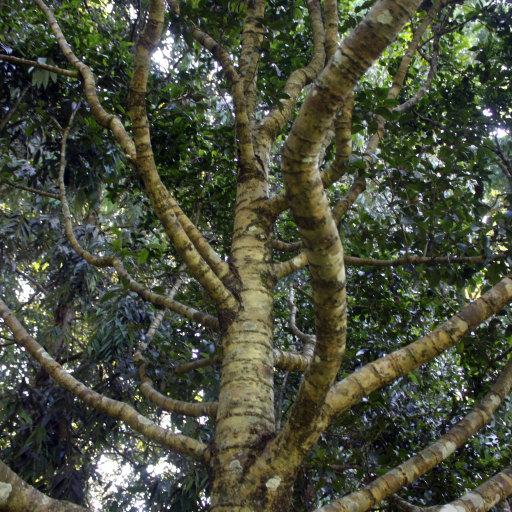
Known as the Santa Maria tree or Calaba, this tropical evergreen is a true "ironman" of the Caribbean and Central American forests. Celebrated for its incredibly straight trunk and shimmering, leathery foliage, it has been a staple for coastal communities for centuries, providing everything from medicinal oils to sturdy timber for ship masts.
🔍 How to Identify
- 🍃 The "Beauty Leaf": Its name comes from the Greek kalos (beautiful) and phyllon (leaf). Look for thick, glossy, dark green leaves with fine, parallel veins that run perfectly perpendicular to the midrib.
- ⚪ Fragrant Clusters: It produces small, snow-white flowers with yellow centers that grow in clusters. They emit a sweet, heavy scent that attracts a wide variety of pollinators.
- 🟢 Spherical Fruit: The tree bears round, green fruits about the size of a golf ball. As they ripen, they turn a wrinkled brown and contain a single, oil-rich seed.
🏡 In Your Garden
- 🌊 Coastal Warrior: This plant is exceptionally tolerant of salt spray and high winds, making it a premier choice for seaside gardens or as a natural windbreak to protect more delicate species.
- 🌳 Space Enthusiast: While it starts as a manageable shrub, be aware that in the right conditions, it grows into a massive shade tree. It develops a deep taproot, meaning it doesn't like being moved once established, so choose its "forever home" carefully.
- 💧 Thirst for Humidity: It thrives in moist, well-draining soil and loves tropical humidity. If you are growing it in a drier climate, it will appreciate consistent mulching to keep its roots cool and hydrated.
⚠️ Safety & Toxicity
- 🟡 Mild Concern: The tree produces a yellowish, sticky latex (sap) when the bark or leaves are snapped.
- 🚫 Irritation Risk: This sap can cause mild skin irritation or dermatitis in sensitive individuals. The fruits are generally not considered edible for humans and may cause digestive upset if swallowed by curious pets or children.
✨ Fun Fact
In the era of wooden sailing ships, the Calophyllum calaba was highly prized by shipbuilders. Because the trunk grows so remarkably straight and the wood is resistant to rot, it was the "gold standard" material for making sturdy masts and ship hubs!

Detailed Care Instructions
To successfully grow a Calophyllum Calaba plant, also known as Spanish Elm or Santa Maria tree, follow these steps:
- Climate and location: Calophyllum Calaba plants thrive in tropical and subtropical regions. They require plenty of sunlight and warmth, with temperatures ranging between 65°F to 85°F (18°C to 29°C). Select a location in your garden or indoor space that receives direct sunlight.
- Soil requirements: Spanish Elm prefers well-draining soil that is rich in organic matter. The pH of the soil should be slightly acidic to neutral, ideally between 6 and 7. You can amend the soil with organic compost or peat moss to improve its drainage and fertility.
- Propagation: Calophyllum Calaba plants can be propagated from seeds or stem cuttings. If starting from seeds, soak them in warm water for 24 hours prior to planting to improve germination rates. Sow the seeds in pots or trays filled with well-draining potting mix, ensuring they are half an inch deep. Keep the soil moist, and germination should occur within a couple of weeks. If using stem cuttings, take a 6-8 inch long cutting from a healthy plant, remove the bottom leaves, and plant it in moist potting soil. Keep the soil consistently moist until the cutting establishes roots.
- Watering: The Spanish Elm plant prefers moderate watering. Water the plant whenever the top inch of soil feels dry. Avoid overwatering, as it can lead to root rot. Allow the soil to dry out slightly between watering sessions.
- Pruning: Regular pruning is essential to maintain the desired shape and size of the Calophyllum Calaba plant. Prune any dead or damaged branches to promote healthy growth. You can also shape the plant as it grows to maintain its aesthetic appeal.
- Fertilization: Spanish Elm plants generally do not require extensive fertilization. However, you can apply a balanced, slow-release fertilizer during the growing season to provide necessary nutrients. Follow the manufacturer's instructions for dosage and application method.
- Pests and diseases: The Calophyllum Calaba plant is relatively pest-resistant but can occasionally be susceptible to mealybugs or aphids. Inspect the plant regularly for signs of infestation, such as sticky residue or small, white clusters. If you notice pests, treat the plant with an organic insecticidal soap or neem oil spray.
Remember, it may take several years for the Calophyllum Calaba plant to reach its full height and begin flowering. This plant requires patience and careful maintenance, but once established, it can provide a beautiful addition to your garden or indoor space.
To water this particular plant, it is important to first consider the type of soil it is planted in. The soil should be well-draining and not retain too much moisture. Overwatering can lead to root rot and other problems. The best way to water this plant is to check the soil moisture level regularly by sticking your finger into the soil up to the knuckle. If the soil feels dry, it is time to water. Water thoroughly until the excess water starts to drain out of the bottom of the pot. Avoid letting the plant sit in standing water, as this can also lead to root rot. It is recommended to water the plant in the morning to avoid fungal growth and to allow the plant to absorb the water throughout the day.
To fertilize this plant, apply a balanced, slow-release fertilizer in the spring and summer months. Use a fertilizer with equal parts nitrogen, phosphorus, and potassium. Apply the fertilizer according to the instructions on the package and be sure not to over-fertilize as this can damage the plant. Additionally, make sure the soil is moist before applying fertilizer and water thoroughly after fertilizing to help distribute the nutrients.
The ideal soil type for this plant should be well-draining and slightly acidic. It should contain a balanced mixture of organic matter, such as compost, and inorganic matter, such as sand or perlite, to ensure proper aeration and drainage. Avoid using heavy soils that retain water, as this can lead to root rot and other diseases. Additionally, it is important to ensure that the soil pH is between 5.5 and 6.5 to promote healthy growth and development.
Calophyllum Calaba plant can be propagated through stem cuttings. Select a healthy stem of about 6 inches length from the mother plant. Cut the stem just below the node using a sharp and sterile pruning tool.
Remove all the leaves from the bottom half of the stem and leave only a few leaves on the upper part. Dip the lower end of the stem in rooting hormone powder and shake off any excess.
Fill a small pot with well-draining soil and moisten it. Insert the stem cutting into the soil, making sure that the bottom half is buried. Firmly tamp the soil around the stem to avoid air pockets.
Cover the pot with a plastic bag or a clear plastic container to create a greenhouse effect and maintain humidity. Place the pot in bright, indirect sunlight and keep the soil evenly moist.
Check the stem cutting regularly for the root development by gently tugging it. Once strong roots have formed, which usually takes 4-6 weeks, the plastic cover can be removed.
Transplant the rooted cutting into a bigger pot or in the garden. Keep the soil moist and provide regular fertilization to promote healthy growth.








