Plant Overview
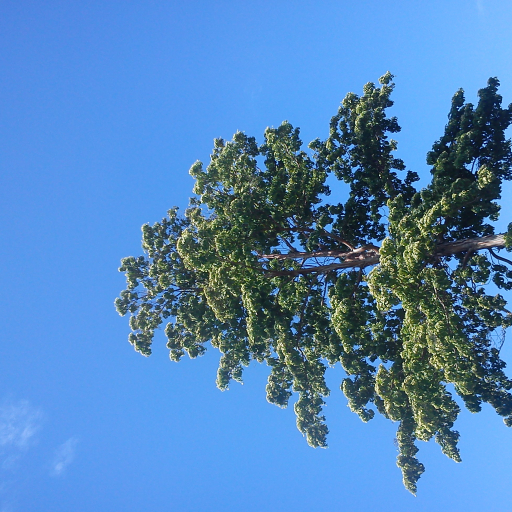
Known as the "Madroño" or "Salamo," this striking tropical tree is the national pride of Nicaragua. It is often called the "Wedding Tree" because, during its peak bloom, the entire canopy is smothered in snowy white blossoms, looking like a giant lace bouquet against the sky. Beyond its flowers, it is beloved for its smooth, exfoliating bark that reveals rich, mahogany-colored wood underneath.
🔍 How to Identify
- 🔲 The Peeling Bark: One of its most distinctive features is the reddish-brown bark that peels away in thin, papery strips, much like a Guava tree, leaving the trunk smooth and cool to the touch.
- ⬜ The "Fake" Petals: While the flowers are small, one of the five sepals expands into a large, creamy white, leaf-like structure. This gives the tree its "cloud-like" appearance from a distance.
- 🍃 Glossy Foliage: The leaves are dark green, oval-shaped, and grow in opposite pairs, providing a lush backdrop for the bright white blooms.
🏡 In Your Garden
- ☀️ Sun-Drenched Spaces: This tree is a true child of the tropics; it craves full sun and high temperatures. It is exceptionally drought-tolerant once established, making it a "plant-and-forget" favorite for warm climates.
- 🌳 The Taproot Factor: Because it develops a deep taproot, it is quite resistant to high winds and storms. However, this means it hates being moved—choose its "forever home" in your garden carefully to avoid transplant shock.
- 🐝 Pollinator Magnet: When in bloom, the tree becomes a buzzing hub for bees and butterflies, who are drawn to the nectar of the fragrant, dense flower clusters.
⚠️ Safety & Toxicity
- ✅ Safe for All: Calycophyllum candidissimum is generally considered non-toxic to humans, dogs, and cats. It is a safe choice for public parks and family backyards.
- 🧤 General Precaution: While the tree is safe, the fine hairs on some tropical leaves can occasionally cause mild skin irritation for those with very sensitive skin when pruning.
✨ Fun Fact
In Nicaragua, the fragrant branches of the Madroño are traditionally used to decorate "Altars of the Purísima" (religious altars) during December, filling homes and streets with a delicate, sweet scent that signals the start of the holiday season.

Detailed Care Instructions








