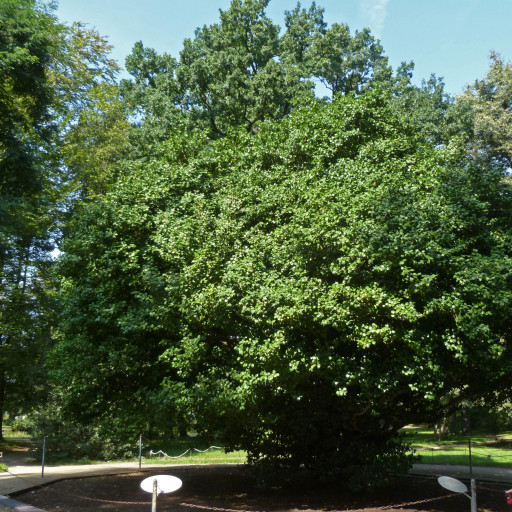
Plant Overview
Known as the "Rose of Winter," Camellia japonica is the crown jewel of the cool-season garden. In Japan, it is called Tsubaki, a symbol of eternal beauty and the coming of spring. This elegant evergreen has captivated gardeners for centuries with its porcelain-like blooms that appear when most of the garden is still in its winter slumber.
🔍 How to Identify
- 🍃 Glossy Foliage: The leaves are thick, leathery, and dark green with a brilliant "waxed" sheen. They stay vibrant all year round.
- 🌸 Symmetrical Blooms: The flowers are famous for their near-perfect geometry, appearing in shades of snow white, soft pink, or deep crimson.
- 🌳 Stately Stature: It grows as a slow-moving, upright shrub or small tree, often reaching a dense, pyramidal shape that provides excellent privacy.
🏡 In Your Garden
- 🌿 Acidic Appetites: These plants are "acid-lovers" and crave soil with a low pH. They have shallow root systems, so they despise being planted too deeply or having their roots disturbed by aggressive weeding.
- ⛅ Dappled Shade: Think of them as forest-floor dwellers. They thrive in "peek-a-boo" sunlight. Harsh afternoon sun can scorch their leaves, while total darkness may prevent those iconic buds from forming.
- 💧 Consistency is Key: They are sensitive to "bud drop." If the soil dries out too much during the budding season, the plant will shed its flowers before they even have a chance to open.
⚠️ Safety & Toxicity
- ✅ Safe Status: Non-toxic and generally very safe for home environments.
- 🐾 Pet Friendly: Unlike many other ornamental flowering shrubs, the Japanese Camellia is considered non-toxic to cats, dogs, and horses, making it a worry-free choice for pet owners.
✨ Fun Fact
The legendary fashion icon Coco Chanel fell in love with the white Camellia because of its scentless purity and geometric perfection. It eventually became the official emblem of the House of Chanel, appearing on everything from jewelry to shopping bags.

Detailed Care Instructions
| Color | Variable |
| Soil Ph | 5-5-6.5 |
| Humidity | Normal |
| Lighting | Part Sun |
| Soil Type | Rich, Loamy, Well-Drained Soil |
| Bloom Time | Winter To Spring |
| Difficulty | Medium |
| Plant Type | Broadleaf Evergreen |
| Hibernation | Cold Period |
| Mature Size | 200 To 350 Cm |
| Native Area | China, Japan |
| Temperature | 18°C - 24°C |
| Sun Exposure | Part Shade |
| Hardiness Zones | Min 7A |
To grow Camellia Japonica plants, follow these steps:
- Select a suitable location: Camellia Japonica plants thrive in partial shade or filtered sunlight. Choose a location that has well-draining soil and protection from strong winds.
- Prepare the soil: Camellias prefer an acidic soil with a pH between 5.0 and 6.5. If your soil is not naturally acidic, you can amend it with organic matter like peat moss or compost to lower the pH.
- Planting: Dig a hole that is slightly larger than the root ball of the Camellia plant. Place the plant in the hole, ensuring that it is at the same depth as it was in the nursery container. Backfill the hole with the amended soil and gently firm it around the roots.
- Watering: Water the newly planted Camellia thoroughly to settle the soil. Afterward, water regularly to keep the soil consistently moist but not waterlogged. Avoid overwatering, as it can lead to root rot.
- Mulching and fertilizing: Apply a layer of organic mulch, such as bark chips or pine needles, around the base of the plant to help maintain soil moisture and regulate soil temperature. Fertilize the Camellia with an acidic plant fertilizer specifically formulated for Camellias. Follow the package instructions for application rates and frequency.
- Pruning: Prune Camellia Japonica plants after they finish flowering in late winter or early spring. Remove any dead or diseased branches and shape the plant as desired. Avoid excessive pruning, as it can reduce flowering.
- Protecting from frost: Camellias are susceptible to frost damage. If you live in a colder region, consider covering the plant with frost cloth or moving potted Camellias indoors during freezing temperatures.
- Monitoring for pests and diseases: Regularly inspect the Camellia for pests like aphids, scale insects, or mealybugs. Use appropriate pest control methods if necessary. Also, watch for common Camellia diseases like root rot or leaf spot, and take preventive measures to keep the plant healthy.
By following these steps and providing proper care, your Camellia Japonica plant should grow and flourish over time.

Place in a window with dappled sun or a spot in the middle of a room. Or directly in a window facing west or east.

Camellia Japonica plants require regular watering, especially during the growing season. To water this plant, you should use room temperature, filtered water. It is important to avoid getting the leaves wet as it can cause damage to them. You should water the soil around the plant, ensuring that it is evenly moistened. During the colder months, the plant requires less watering, so it is important to adjust the watering schedule accordingly. Overwatering can cause root rot, so it is important to monitor the soil moisture levels and avoid watering excessively.
To fertilize this plant, begin in the late winter or early spring by mixing a slow-release fertilizer into the soil at the base of the plant. Apply a balanced fertilizer containing nitrogen, phosphorus, and potassium every four to six weeks during the growing season. Avoid over-fertilizing, which can damage the roots and cause leaf burn, and make sure to water the plant well before and after each application. During the fall and winter months, reduce fertilizing to once per month or stop completely to allow the plant to rest.
The ideal soil for this plant should be slightly acidic with a pH range of 5.0-6.5. It should also be well-draining and rich in organic matter to allow for proper nutrient absorption and root development. You may consider adding peat moss, compost, or well-aged manure to your soil mix to enhance its moisture-retaining capacity and fertility. Additionally, avoid using heavy soils such as clay which may cause waterlogging and affect its growth and development.
To propagate this species of plant, you will need to take softwood cuttings in late spring or early summer. To do this, select a stem from the parent plant that is around 4-6 inches long and has at least two pairs of leaves.
Using clean, sharp pruning shears, cut the stem just below a node. Remove the bottom leaves from the stem, leaving only the top two pairs. Dip the cut end in rooting hormone powder and gently tap off any excess.
Prepare a pot with a well-draining soil mix and make a hole with a pencil or similar object. Insert the stem cutting into the hole and firm the soil around it, making sure to leave at least one pair of leaves above the soil line.
Water the cutting well, then cover it with a clear plastic bag or container to create a mini greenhouse that will increase humidity and help prevent the cutting from drying out. Place the pot in a bright, but indirect, light and keep the soil moist but not waterlogged.
In several weeks, you should begin to see new growth appearing on the cutting, indicating that it has rooted successfully. Once the roots have developed fully, transplant the new plant into a larger pot or outside in a well-prepared bed.
Common pests of the camellia include Scale insect, spider mites, aphids, thrips, larvae. Make a habit of checking your camellia frequently for pests so that any infestations can be caught and managed early.








